E-mail:
sales@silicone-sealant-china.com

When designing or renovating a bathroom for households with children, elderly family members, or individuals with respiratory conditions, the choice of sealant becomes a critical health and safety decision. Unlike standard applications, these environments demand materials that address both functional performance and potential health risks associated with chemical exposure.
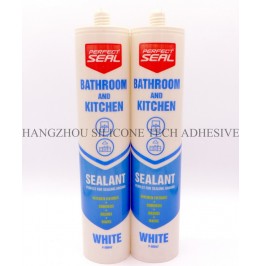
Bathrooms experience constant exposure to water, cleaning agents, and personal care products. For sensitive populations, sealants must resist degradation from these substances without releasing volatile organic compounds (VOCs). Traditional acrylic sealants, while cost-effective, often contain solvents that can irritate airways or trigger allergic reactions. Opt instead for silicone-based formulations engineered for medical-grade applications, which maintain structural integrity while minimizing off-gassing. These materials create a barrier against moisture without compromising indoor air quality.
High humidity levels in bathrooms create ideal conditions for microbial growth. For individuals with asthma or compromised immune systems, mold spores pose significant health risks. Select sealants with built-in antimicrobial properties that inhibit fungal development at the molecular level. These formulations should remain effective across the product’s lifespan, not just during initial curing. Additionally, ensure the sealant’s surface texture is smooth enough to prevent dirt accumulation yet porous enough to allow limited airflow—a balance critical for long-term hygiene.
Bathrooms undergo rapid temperature changes due to hot showers or heating systems. In households with elderly members or young children, sealants must withstand these fluctuations without cracking or shrinking. Look for products rated for extreme temperature ranges, typically from -40°C to 200°C, to accommodate both winter heating and summer ventilation systems. Flexibility is equally important; rigid sealants may detach from joints over time, creating gaps where water can infiltrate and cause structural damage or breed bacteria.
These areas require sealants capable of enduring direct water exposure and frequent cleaning. Prioritize formulations with waterproofing certifications that guarantee zero moisture penetration over extended periods. For families with mobility-impaired members, consider sealants that remain stable under the weight of support bars or grab handles. Additionally, choose products with low-tack surfaces to reduce slip hazards when wet, particularly around shower thresholds.
Kitchen and bathroom countertops often host personal care products containing alcohol or acids. Sealants in these zones must resist chemical corrosion while maintaining a hygienic surface. Opt for food-grade certified materials where sinks are adjacent to food preparation areas, ensuring they won’t leach harmful substances if accidentally ingested. For households with children, select sealants with rounded edges to minimize injury risks from sharp corners.
In wet rooms or bathrooms without traditional shower trays, floor-to-wall sealants must create a continuous waterproof barrier. This is especially critical for aging-in-place designs, where even minor leaks can lead to costly repairs or hazardous slips. Choose products with self-leveling properties that conform to uneven surfaces without requiring extensive preparation. For added safety, combine sealants with non-slip floor coatings to create a unified, accessible environment.
Sensitive populations benefit from sealants with extended lifespans, as frequent reapplication introduces additional VOC exposure. High-quality silicone sealants can last 15–20 years when properly installed, reducing the need for disruptive renovations. However, monitor for signs of wear in high-traffic areas, such as around toilet bases or near frequently used faucets, and plan for proactive maintenance rather than reactive repairs.
Regular cleaning is essential to prevent microbial growth, but harsh chemicals can degrade sealants over time. Select products that withstand mild disinfectants without losing elasticity or color. For households with chemical sensitivities, consider sealants that can be cleaned with water and microfiber cloths alone, eliminating the need for potentially irritating cleaning agents.
Look for third-party certifications indicating compliance with health and safety standards, such as GREENGUARD or SCS Recycled Content. These certifications verify that the product meets strict emissions limits and contains minimal hazardous substances. For projects aiming for sustainability certifications like LEED or WELL, prioritize sealants with low environmental impact throughout their lifecycle, from production to disposal.
By prioritizing these factors, households with sensitive individuals can create bathroom environments that balance functionality, safety, and long-term health. The right sealant choice not only protects against structural damage but also serves as a foundational element in promoting well-being for all family members.
Copyright 2019 by Hangzhou Silicone Tech Adhesive Co., Ltd. All rights reserved.
Bathroom Sealant | Acrylic Sealant | Dow Corning 795 | Aquarium Sealant | Dow Corning 732 | Clear Silicone Sealant | Polysulfide Sealant | Glazing Sealant | Mirror Sealant | IG Sealant
Powered by Onepound


