E-mail:
sales@silicone-sealant-china.com

When sealants are applied in indoor spaces, they can release volatile organic compounds (VOCs) into the air during the curing process. These VOCs can have short- and long-term health effects, making it essential to understand the safety period before the space can be safely occupied. Here’s a detailed exploration of the factors influencing VOC release and the recommended waiting times.
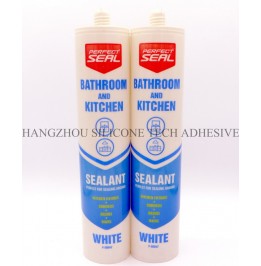
The length of time VOCs remain elevated after sealant application depends on several key factors. These variables can significantly impact how quickly the air quality returns to safe levels.
Different sealants have varying chemical compositions, which directly affect their VOC content and release rates. For example, silicone-based sealants typically have lower VOC levels compared to solvent-based or polyurethane sealants. Water-based sealants are also known for having minimal VOC emissions, as they rely on water as a carrier instead of organic solvents. The specific formulation of the sealant—whether it’s designed for high-performance adhesion, flexibility, or moisture resistance—will influence how long it takes for VOCs to dissipate.
Temperature and humidity play critical roles in the curing process and VOC release. Higher temperatures accelerate the curing of sealants, causing VOCs to evaporate more quickly. However, in poorly ventilated spaces, this can lead to a temporary spike in VOC concentrations. Conversely, low temperatures can slow down the curing process, prolonging the release of VOCs. Humidity also affects curing; high humidity can extend the drying time, while low humidity may cause the sealant to cure too rapidly, potentially trapping some VOCs inside the material.
Proper ventilation is one of the most effective ways to reduce VOC levels after sealant application. Good airflow helps to dilute and remove VOCs from the indoor environment, speeding up the process of reaching safe air quality levels. In spaces with mechanical ventilation systems, such as HVAC units with fresh air intake, VOCs can be flushed out more efficiently. In contrast, poorly ventilated areas, like small bathrooms or enclosed basements, may retain VOCs for longer periods, requiring extended waiting times before occupancy.
While the exact safety period varies based on the factors mentioned above, there are general guidelines that can help determine when it’s safe to occupy a space after sealant application.
In the initial 24 to 48 hours after sealant application, VOC concentrations are typically at their highest. During this period, the sealant is actively curing, and solvents or other volatile components are evaporating into the air. It’s strongly recommended to avoid occupying the space during this time, especially for individuals with respiratory sensitivities or chemical intolerances. If possible, keep windows and doors open to maximize ventilation, or use fans to improve air circulation. In commercial or industrial settings, consider scheduling sealant application during off-hours or weekends to minimize disruption.
After the first 48 hours, VOC levels generally begin to decline as the sealant continues to cure. However, depending on the type of sealant and environmental conditions, some residual VOCs may still be present in the air. For most standard sealants, it’s advisable to wait at least 3 to 7 days before regular occupancy, especially in enclosed spaces with limited ventilation. During this period, continue to ventilate the area as much as possible. If you notice any lingering odors or irritation, extend the waiting time until the air feels fresh and clean.
In some cases, certain sealants may continue to release low levels of VOCs for several weeks or even months after application. This is more common with solvent-based or high-VOC sealants, as well as in spaces with poor ventilation. While these long-term emissions are usually at much lower concentrations than the initial release, they can still pose a risk to sensitive individuals. If you’re using a sealant with known long-term VOC release, consider conducting air quality testing before fully occupying the space. Alternatively, opt for low-VOC or zero-VOC sealants to minimize long-term exposure risks.
To ensure the safety of occupants, it’s important to monitor air quality after sealant application, especially in sensitive environments like homes, schools, or healthcare facilities.
Air quality monitors can provide real-time data on VOC levels in the indoor environment. These devices measure the concentration of various volatile compounds and can alert you when levels exceed safe thresholds. When using an air quality monitor after sealant application, place it in the center of the room or near the application area to get an accurate reading. Monitor the levels over time to track the decline in VOCs and determine when it’s safe to occupy the space.
In addition to using monitors, be aware of the signs of poor air quality, such as persistent odors, eye irritation, headaches, or respiratory discomfort. If you or others in the space experience these symptoms after sealant application, it may indicate that VOC levels are still too high. In such cases, increase ventilation, consider using air purifiers with activated carbon filters to remove VOCs, and delay occupancy until symptoms subside and air quality improves.
For critical or high-risk environments, such as hospitals, laboratories, or homes with young children or elderly occupants, professional air quality testing may be necessary. Certified indoor air quality professionals can conduct comprehensive tests to measure VOC levels and identify any other potential contaminants in the air. Based on the test results, they can provide recommendations for improving air quality and determining a safe occupancy timeline.
Copyright 2019 by Hangzhou Silicone Tech Adhesive Co., Ltd. All rights reserved.
Bathroom Sealant | Acrylic Sealant | Dow Corning 795 | Aquarium Sealant | Dow Corning 732 | Clear Silicone Sealant | Polysulfide Sealant | Glazing Sealant | Mirror Sealant | IG Sealant
Powered by Onepound


