E-mail:
sales@silicone-sealant-china.com

When it comes to maintaining a well - sealed and hygienic bathroom, understanding the chemical compatibility between bathroom sealants and shower gels is crucial. Shower gels are a staple in our daily bathing routines, and their interaction with the sealants used in bathrooms can have significant implications for the longevity and effectiveness of the seal.
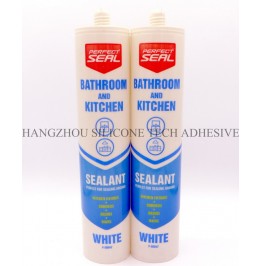
Bathroom sealants are typically made from a variety of polymers, such as silicone, acrylic, or polyurethane. These materials are chosen for their ability to create a waterproof barrier that prevents water from seeping into the gaps and joints between bathroom fixtures like tiles, bathtubs, and sinks. Silicone sealants, for example, are known for their flexibility and excellent water - resistance properties, making them a popular choice in high - moisture areas like bathrooms. Acrylic sealants, on the other hand, are more rigid and are often used in areas where less flexibility is required but still need to be waterproof.
Despite their durability, bathroom sealants are not completely immune to chemical damage. The polymers in the sealants can react with certain substances, leading to discoloration, softening, or even complete breakdown of the seal. This is why it's important to consider the chemical composition of shower gels when assessing their compatibility with bathroom sealants.
Shower gels are formulated with a combination of surfactants, which are responsible for creating lather and removing dirt and oil from the skin. Common surfactants include sodium lauryl sulfate (SLS) and sodium laureth sulfate (SLES). In addition to surfactants, shower gels also contain water, fragrances, preservatives, and sometimes moisturizing agents like glycerin or aloe vera.
The pH level of shower gels can vary widely. Some shower gels are formulated to be slightly acidic, similar to the natural pH of the skin, while others may be more alkaline. Alkaline shower gels can be more effective at removing dirt and oil but may also be more harsh on the skin and potentially on bathroom sealants.
If a shower gel with a high alkaline content comes into contact with a bathroom sealant, an acid - base reaction could occur. For example, if the sealant contains acidic components (although this is less common), and the shower gel is highly alkaline, the reaction can lead to the degradation of the sealant. This can manifest as a change in the texture of the sealant, making it soft and sticky, or causing it to crack and break down over time.
Some shower gels may contain solvents or ingredients that act as solvents. These substances can dissolve or weaken the polymers in the bathroom sealant. For instance, certain fragrances or preservatives in shower gels might have solvent - like properties. When these substances come into contact with the sealant, they can penetrate the surface and disrupt the chemical bonds between the polymer chains, leading to a loss of structural integrity and waterproofing ability.
The more frequently a shower gel comes into contact with a bathroom sealant, the greater the potential for chemical reactions. In a bathroom where showering occurs daily, the sealant is constantly exposed to the shower gel, increasing the risk of damage over time. If the contact is infrequent, such as in a guest bathroom that is rarely used, the likelihood of significant chemical interaction is lower.
The concentration of the active ingredients in the shower gel also plays a role in its compatibility with bathroom sealants. A shower gel with a high concentration of surfactants or solvents is more likely to cause damage to the sealant compared to one with lower concentrations. Additionally, the presence of additives like dyes or pigments can also contribute to the potential for staining or chemical reactions with the sealant.
Different types of bathroom sealants have varying levels of chemical resistance. As mentioned earlier, silicone sealants are generally more resistant to chemicals compared to acrylic sealants. However, the quality of the sealant also matters. A high - quality sealant that is properly formulated and manufactured is more likely to withstand exposure to shower gels than a low - quality or poorly made one.
If you're unsure about the compatibility between a particular shower gel and a bathroom sealant, spot testing is a good approach. Apply a small amount of the shower gel to an inconspicuous area of the sealed surface, such as a corner or behind a fixture. Leave it on for a period of time, following the instructions on the shower gel packaging or allowing it to sit for at least 24 hours. Then, rinse the area thoroughly with water and inspect the sealant for any signs of damage, such as discoloration, softening, or cracking.
Even if spot testing shows no immediate signs of damage, it's still important to observe the sealed area over the long term. Chemical reactions may not occur immediately but could develop over weeks or months of regular exposure to the shower gel. Keep an eye on the sealant for any changes in appearance or performance, and if any issues arise, consider re - sealing the area with a more compatible sealant or adjusting your shower gel usage.
In conclusion, the chemical compatibility between bathroom sealants and shower gels is an important consideration for maintaining a functional and aesthetically pleasing bathroom. By understanding the nature of both the sealants and the shower gels, as well as the factors that influence their compatibility, you can take steps to prevent damage and ensure the longevity of your bathroom seals.
Copyright 2019 by Hangzhou Silicone Tech Adhesive Co., Ltd. All rights reserved.
Bathroom Sealant | Acrylic Sealant | Dow Corning 795 | Aquarium Sealant | Dow Corning 732 | Clear Silicone Sealant | Polysulfide Sealant | Glazing Sealant | Mirror Sealant | IG Sealant
Powered by Onepound


