E-mail:
sales@silicone-sealant-china.com

When sealant is applied in various settings, whether it's for construction projects, home renovations, or industrial applications, sudden temperature changes after application can pose significant challenges. These temperature fluctuations can affect the curing process, adhesion, and overall performance of the sealant. Here's a comprehensive guide on how to prevent the negative impacts of sudden temperature changes after sealant application.
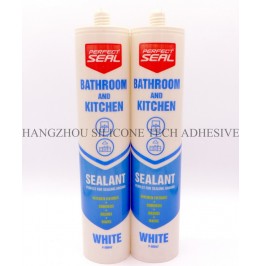
Sealants rely on a proper curing process to achieve their desired properties. Curing is a chemical reaction that transforms the liquid sealant into a solid, durable material. Temperature plays a crucial role in this process. If the temperature drops suddenly after application, the curing reaction can slow down significantly or even stop altogether. This can lead to an incomplete cure, resulting in a sealant that is soft, weak, and prone to damage. On the other hand, a sudden increase in temperature can accelerate the curing process too rapidly, causing the sealant to shrink and develop cracks or voids.
The adhesion of sealant to the substrate is essential for its effectiveness. Temperature changes can affect the surface properties of both the sealant and the substrate. For example, a sudden drop in temperature can cause the substrate to contract, creating stress on the sealant - substrate interface. This stress can lead to a loss of adhesion, causing the sealant to peel or separate from the surface. Similarly, a rapid increase in temperature can cause the substrate to expand, potentially stretching the sealant and weakening its bond.
Sealants have specific physical properties such as flexibility, hardness, and elongation that are designed to meet the requirements of different applications. Sudden temperature changes can alter these properties. For instance, a cold environment can make the sealant more brittle, reducing its ability to withstand movement or vibration. In contrast, high temperatures can make the sealant too soft, causing it to deform under load or lose its shape over time.
Before applying sealant, it's important to assess the substrate's temperature - related characteristics. Check if the substrate is likely to expand or contract significantly with temperature changes. For example, metal substrates are known for their high thermal conductivity and can undergo large temperature - induced expansions and contractions. In such cases, choose a sealant with good flexibility and elasticity to accommodate these movements. Also, ensure that the substrate is clean and free of any contaminants that could affect adhesion, as temperature changes can exacerbate adhesion problems if the surface is not properly prepared.
Monitor the environmental conditions at the application site. Keep track of the temperature trends, both current and forecasted. If a sudden temperature change is expected, consider rescheduling the sealant application to a more suitable time. For outdoor applications, avoid applying sealant during extreme weather conditions such as heatwaves or cold snaps. If the application must proceed, take appropriate measures to protect the sealant from the temperature extremes, such as using temporary enclosures or heating/cooling devices.
Maintain the sealant at an appropriate temperature during application. Most sealants have an optimal application temperature range specified by the manufacturer. If the sealant is too cold, it may be difficult to extrude and may not flow properly, resulting in an uneven application. If it's too hot, it may cure too quickly, limiting the working time and making it challenging to achieve a smooth finish. Use heating or cooling equipment as needed to keep the sealant within the recommended temperature range. For example, in cold weather, you can use a heated container or a heat gun (used carefully to avoid overheating) to warm up the sealant before application.
Apply the sealant using controlled techniques to minimize the impact of temperature changes. Use a steady hand and a consistent pressure when extruding the sealant to ensure an even bead. Avoid applying the sealant in thick layers, as thick layers are more susceptible to temperature - induced stresses. Instead, apply multiple thin layers, allowing each layer to cure partially before applying the next one. This can help distribute the stresses more evenly and reduce the risk of cracking or separation.
Create an optimal curing environment for the sealant after application. If possible, control the temperature and humidity levels in the area where the sealant is curing. In cold weather, use space heaters or insulation to maintain a warm and stable environment. In hot weather, use fans or shade to prevent the sealant from overheating. Keep the curing area well - ventilated to ensure proper air circulation, which can help with the curing process and prevent the buildup of volatile organic compounds (VOCs).
Protect the newly applied sealant from direct exposure to sudden temperature changes. For outdoor applications, use temporary covers such as tarps or plastic sheets to shield the sealant from rain, snow, or intense sunlight. These covers can help maintain a more stable temperature around the sealant during the critical curing period. For indoor applications, avoid placing the sealed area near sources of heat or cold, such as radiators or air conditioning vents, until the sealant has fully cured.
After the sealant has cured, conduct regular inspections to check for any signs of damage caused by temperature changes. Look for cracks, voids, or peeling in the sealant. If any issues are detected, address them promptly to prevent further deterioration. Depending on the severity of the damage, you may need to re - apply the sealant or make repairs to ensure the continued effectiveness of the seal. Additionally, perform routine maintenance tasks such as cleaning the sealed area to remove dirt and debris that could affect the sealant's performance over time.
By following these pre - application, during - application, and post - application strategies, you can significantly reduce the impact of sudden temperature changes on sealant and ensure a long - lasting, effective seal in various applications.
Copyright 2019 by Hangzhou Silicone Tech Adhesive Co., Ltd. All rights reserved.
Bathroom Sealant | Acrylic Sealant | Dow Corning 795 | Aquarium Sealant | Dow Corning 732 | Clear Silicone Sealant | Polysulfide Sealant | Glazing Sealant | Mirror Sealant | IG Sealant
Powered by Onepound


