E-mail:
sales@silicone-sealant-china.com

When it comes to maintaining a well - sealed bathroom, especially in areas that are constantly exposed to high temperatures, choosing the right sealant is of utmost importance. High - temperature environments can put significant stress on sealants, leading to premature failure if the wrong type is selected. Here's a detailed guide on how to pick the most suitable bathroom sealant for long - term high - temperature conditions.
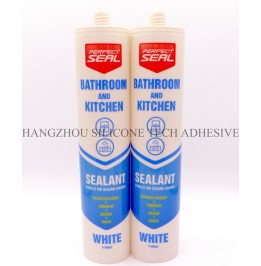
In a bathroom with long - term high temperatures, the materials in the bathroom, including tiles, fixtures, and the substrate, will expand and contract continuously. This thermal movement creates stress on the sealant. If the sealant lacks the necessary flexibility to accommodate these changes, it can crack or pull away from the surfaces it's meant to seal. For example, if the sealant around a bathtub is rigid and can't stretch as the tub expands due to heat, gaps will form, allowing water to leak through.
High temperatures can accelerate chemical reactions. Some of the ingredients in lower - quality sealants may break down more quickly under heat, leading to a loss of adhesion and structural integrity. The polymers in the sealant, which are responsible for its bonding and elastic properties, can be especially vulnerable. Over time, this degradation can cause the sealant to become brittle, discolored, or even completely dissolve in extreme cases.
Bathrooms are inherently moist environments, and when combined with high temperatures, the conditions become even more challenging for sealants. The heat can cause the moisture to evaporate more rapidly, but it can also lead to condensation in cooler areas. This cycle of moisture evaporation and condensation can put additional stress on the sealant, especially if it's not water - resistant enough. Water can seep into small cracks in the sealant, and the heat can then cause the water to expand, further widening the cracks.
The most crucial property is heat resistance. A good high - temperature bathroom sealant should be able to withstand the expected temperature range in the bathroom without significant degradation. It should maintain its physical and chemical properties, such as flexibility, adhesion, and hardness, even at elevated temperatures. Look for sealants that are specifically rated for high - temperature applications, indicating that they have been tested and proven to perform well under heat stress.
As mentioned earlier, thermal expansion and contraction are major concerns in high - temperature bathrooms. Therefore, the sealant must be highly flexible. It should be able to stretch and compress as the surrounding materials move without cracking or losing its seal. A flexible sealant can bridge the gaps that form due to thermal movement, preventing water from leaking through. Some sealants are formulated with elastomers, which are known for their excellent flexibility and elasticity, making them ideal for high - temperature bathroom applications.
Since bathrooms are constantly exposed to water, water resistance is a non - negotiable property for any sealant. In a high - temperature environment, the sealant's water - resistance becomes even more critical. It should be able to repel water effectively, preventing it from penetrating the sealant and reaching the underlying substrate. A water - resistant sealant will also resist the growth of mold and mildew, which can thrive in warm and moist conditions. Look for sealants that have a low water absorption rate and are formulated to inhibit the growth of microorganisms.
Proper surface preparation is essential for the long - term performance of any sealant, but it's especially important in high - temperature bathrooms. The surfaces to be sealed, such as tiles, bathtubs, and sinks, should be clean, dry, and free of any contaminants, such as dirt, grease, or old sealant residue. Use a suitable cleaner to remove any impurities and then allow the surfaces to dry completely before applying the sealant. A rough surface can also improve the adhesion of the sealant, so consider lightly sanding the surfaces if necessary.
The way the sealant is applied can significantly affect its performance. Use a caulking gun to apply the sealant in a continuous, even bead. Make sure to fill all the gaps and joints completely, leaving no air pockets. After applying the sealant, use a tool, such as a caulk smoother or your finger dipped in soapy water, to smooth the surface of the sealant. This will not only give it a neat appearance but also help to ensure a proper seal. Apply the sealant in a way that allows for some movement, such as leaving a slight gap at the ends of the seal if possible, to accommodate thermal expansion.
The curing process of the sealant is crucial for its final properties. Follow the manufacturer's instructions regarding curing time and conditions. In a high - temperature bathroom, the curing process may be affected by the heat. Some sealants may cure faster in high temperatures, while others may require a more controlled environment. If the sealant cures too quickly, it may not have enough time to form a strong bond or may develop cracks. On the other hand, if it cures too slowly, it may be more vulnerable to damage during the curing period. Ensure that the bathroom is well - ventilated during the curing process to allow for proper air circulation and to prevent the buildup of fumes.
By understanding the challenges of high - temperature bathrooms, looking for the right properties in a sealant, and following proper application techniques, you can select and use a bathroom sealant that will perform well in long - term high - temperature environments, keeping your bathroom dry and well - sealed for years to come.
Copyright 2019 by Hangzhou Silicone Tech Adhesive Co., Ltd. All rights reserved.
Bathroom Sealant | Acrylic Sealant | Dow Corning 795 | Aquarium Sealant | Dow Corning 732 | Clear Silicone Sealant | Polysulfide Sealant | Glazing Sealant | Mirror Sealant | IG Sealant
Powered by Onepound


