E-mail:
sales@silicone-sealant-china.com

When it comes to bathroom renovations or repairs, applying sealant is a crucial step to prevent water leakage and maintain the integrity of the space. However, the post - application cleaning process is equally significant, and using dedicated cleaning tools can make a world of difference. Here's an in - depth look at why specialized cleaning tools are essential after bathroom sealant application.
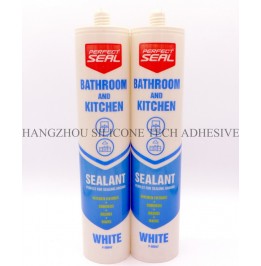
Bathroom sealants are typically made of polymers, silicones, or hybrid materials. During the application process, excess sealant can squeeze out from the joints and harden on the surrounding surfaces. This residue is often sticky and difficult to remove with regular cleaning tools. For example, if the sealant is silicon - based, it forms a strong bond once cured, and normal sponges or cloths may not be able to effectively scrape it off without leaving behind a messy film.
The curing time of bathroom sealants varies depending on the type and environmental conditions. Some sealants may take several hours or even days to fully cure. During this curing period, the sealant gradually hardens. If cleaning is attempted too early with inappropriate tools, it can disrupt the curing process, leading to an uneven or weak seal. On the other hand, if cleaning is delayed until the sealant is fully cured, regular tools may not be sharp or strong enough to remove the hardened residue.
Dedicated cleaning tools for bathroom sealant are designed with precision in mind. For instance, sealant removal tools often have narrow, angled tips that can reach into tight corners and along the edges of the sealant bead. This allows for accurate removal of excess sealant without damaging the adjacent tiles or fixtures. Regular cleaning tools like broad - headed brushes or large sponges lack this level of precision and may accidentally spread the sealant residue over a larger area, making the cleaning process more difficult.
Specialized tools are more efficient at removing sealant residue. Some tools are made of materials that can easily scrape off the hardened sealant without scratching the surface underneath. For example, plastic scrapers with smooth edges can gently lift the residue without leaving marks on tiles or glass. In contrast, metal tools, if not used carefully, can cause permanent damage to the bathroom surfaces. Additionally, dedicated cleaning tools may have textured surfaces or special coatings that enhance their ability to grip and remove the sticky sealant.
Using the right cleaning tools helps protect the delicate surfaces in the bathroom. Tiles, grout, and fixtures can be easily scratched or damaged if harsh or inappropriate tools are used. Dedicated sealant cleaning tools are engineered to be gentle on these surfaces while still being effective at removing the residue. For example, soft - bristled brushes can be used to clean around the sealant without causing abrasions, ensuring that the bathroom maintains its aesthetic appeal for a long time.
These are specifically designed to remove excess sealant from joints and surfaces. They come in various shapes and sizes, with some having a V - shaped or hook - shaped tip for easy access to hard - to - reach areas. The sharp but non - abrasive edges of these tools allow for precise removal of the sealant without damaging the underlying materials. They are ideal for cleaning up after sealant application around bathtubs, sinks, and showers.
Soft - bristled brushes are useful for cleaning the area around the sealant after the excess has been removed. They can gently scrub away any remaining residue or dirt without scratching the tiles or grout. These brushes can also be used to apply cleaning solutions to the area, helping to dissolve any stubborn sealant particles. They are versatile tools that can be used on a variety of bathroom surfaces, including ceramic, porcelain, and glass.
Microfiber cloths are excellent for final wiping and polishing of the bathroom surfaces after sealant cleaning. They are highly absorbent and can pick up even the smallest particles of sealant residue. The fine fibers of microfiber cloths do not leave lint behind, ensuring a clean and streak - free finish. They can be used dry or damp, depending on the level of cleaning required, and are gentle enough to be used on all types of bathroom surfaces.
In conclusion, using dedicated cleaning tools after bathroom sealant application is essential for achieving a clean, professional - looking finish while protecting the bathroom surfaces from damage. By understanding the nature of bathroom sealants and the benefits of specialized tools, homeowners and professionals can ensure that the post - application cleaning process is efficient and effective.
Copyright 2019 by Hangzhou Silicone Tech Adhesive Co., Ltd. All rights reserved.
Bathroom Sealant | Acrylic Sealant | Dow Corning 795 | Aquarium Sealant | Dow Corning 732 | Clear Silicone Sealant | Polysulfide Sealant | Glazing Sealant | Mirror Sealant | IG Sealant
Powered by Onepound


