E-mail:
sales@silicone-sealant-china.com

When it comes to sealant application, whether it's for home improvement projects or industrial use, saving the product instructions is often an overlooked but crucial step. After investing time and effort in applying the sealant correctly, keeping the instructions can provide numerous benefits and ensure the long - term effectiveness of the sealant. Here's a detailed look at the significance and specific requirements for saving product instructions after sealant application.
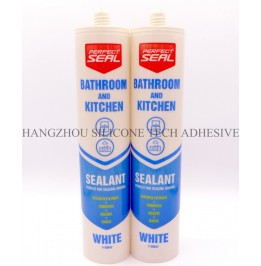
Sealants are not permanent solutions; they have a limited lifespan. Over time, factors such as exposure to the elements, temperature changes, and mechanical stress can cause the sealant to degrade. When it's time for maintenance or repairs, the product instructions become invaluable. They contain information about the recommended reapplication intervals, the proper surface preparation before reapplication, and any specific tools or techniques required. Without these instructions, you may end up using the wrong methods, leading to subpar results or even damage to the surfaces being sealed.
Sometimes, after applying the sealant, unexpected problems may arise. It could be issues like cracking, bubbling, or poor adhesion. The product instructions often include a troubleshooting section that addresses common problems and their solutions. By referring to these instructions, you can quickly identify the cause of the issue and take appropriate corrective actions. For example, if the sealant is cracking, the instructions may suggest that the application temperature was too low or that the surface was not properly cleaned before application.
In some cases, especially in commercial or industrial settings, there may be regulatory requirements regarding the use of sealants. The product instructions can provide information on compliance with relevant standards and regulations. Additionally, many sealant manufacturers offer warranties on their products. To make a valid warranty claim, you usually need to have followed the application instructions precisely. Saving the product instructions ensures that you have the necessary documentation to support any warranty claims in case the sealant fails prematurely.
The storage location of the product instructions is crucial for their long - term preservation. Choose a dry, cool, and well - ventilated area. Moisture can cause the paper to warp or the ink to smudge, making the instructions difficult to read. Extreme temperatures, either too hot or too cold, can also damage the paper and ink. A filing cabinet or a dedicated storage box in a climate - controlled room is an ideal choice. If the instructions are in digital format, store them on a reliable and secure device, such as a computer with regular backups or a cloud - based storage service.
To make it easy to find the product instructions when needed, organize them properly. If you have multiple sets of instructions from different sealant applications, group them by project or location. For example, if you used sealant in the bathroom and the kitchen, keep the instructions for each area separate. Use clear labels on the storage containers or folders to indicate the contents. You can also include additional information on the label, such as the date of application and the type of sealant used. This way, you can quickly locate the relevant instructions without having to search through a pile of papers.
Physical damage can render the product instructions useless. Keep them away from sharp objects, chemicals, and heavy items that could tear, stain, or crush them. If the instructions are in paper form, consider placing them in plastic sleeves or laminating them to protect them from spills and tears. For digital instructions, ensure that the storage device is protected from physical shocks, such as drops or impacts. Regularly check the condition of the storage media to make sure it's still functioning properly and that the instructions are accessible.
Digital product instructions offer several advantages. They take up no physical space, making them easy to store and organize. You can also search for specific information within the document quickly using keywords. Additionally, digital instructions can be easily shared with others, such as contractors or family members, via email or cloud - based sharing platforms. However, there are also some drawbacks. Digital files can be lost if the storage device fails or if you accidentally delete them. They also require a device to access them, which may not always be available, especially in emergency situations.
Paper instructions have the advantage of being accessible without the need for electronic devices. You can take them with you to the job site and refer to them as needed. They also don't rely on battery power or an internet connection. On the other hand, paper instructions can be easily damaged or lost. They take up physical space and can be difficult to organize if you have a large number of them. To mitigate these drawbacks, you can make copies of important paper instructions and store them in different locations.
In conclusion, saving product instructions after sealant application is essential for future maintenance, troubleshooting, and compliance. By following the specific requirements for storage, organization, and protection, and considering the pros and cons of digital and paper instructions, you can ensure that you have the necessary information at hand whenever you need it.
Copyright 2019 by Hangzhou Silicone Tech Adhesive Co., Ltd. All rights reserved.
Bathroom Sealant | Acrylic Sealant | Dow Corning 795 | Aquarium Sealant | Dow Corning 732 | Clear Silicone Sealant | Polysulfide Sealant | Glazing Sealant | Mirror Sealant | IG Sealant
Powered by Onepound


