E-mail:
sales@silicone-sealant-china.com

Bathroom sealants play a crucial role in preventing water leakage and maintaining a dry, hygienic environment. However, like all building materials, they have a limited service life. Understanding the safe service life and replacement criteria for bathroom sealants is essential for ensuring the long - term effectiveness of your bathroom's waterproofing system.
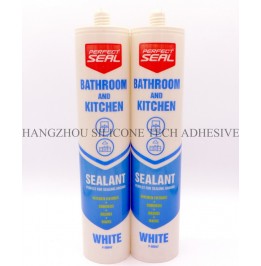
The type of material used in the sealant significantly impacts its durability. Common bathroom sealant materials include silicone, polyurethane, and modified silane (MS) polymers. Silicone sealants are known for their excellent water resistance, flexibility, and resistance to mold and mildew. They can typically last between 5 - 8 years in a bathroom environment. Polyurethane sealants offer high mechanical strength and good adhesion to various surfaces. Their service life can range from 8 - 10 years, depending on the quality and application conditions. Modified silane polymers combine the advantages of silicone and polyurethane, providing long - lasting performance with a service life often exceeding 10 years under proper maintenance.
The quality of the sealant application is as important as the material itself. Proper surface preparation is crucial. The surfaces to be sealed must be clean, dry, and free from dust, grease, and old sealant residues. Any unevenness or gaps in the surface can lead to premature failure of the sealant. During application, the sealant should be applied evenly and at the correct thickness. Insufficient application can result in weak spots, while excessive application may lead to cracking as the sealant dries and shrinks. Additionally, the curing conditions, such as temperature and humidity, must be within the recommended range specified by the manufacturer to ensure proper bonding and performance.
Bathrooms are exposed to harsh environmental conditions that can accelerate the degradation of sealants. High humidity levels, frequent temperature changes, and exposure to cleaning chemicals can all take a toll on the sealant's integrity. For example, prolonged exposure to steam from showers can cause some sealants to soften and lose their adhesive properties over time. The presence of mold and mildew spores in the bathroom air can also lead to the growth of these organisms on the sealant surface, which can further weaken the sealant and cause discoloration.
One of the most obvious signs that a bathroom sealant needs replacement is the appearance of cracks or peeling. Cracks can develop due to the natural aging process of the sealant, as well as from movement or stress in the surrounding structure. Peeling occurs when the sealant loses its adhesion to the surface, often as a result of improper application or environmental factors. If left unaddressed, these cracks and peeling areas can allow water to penetrate behind the sealant, leading to more serious water damage to the underlying structures, such as walls and floors.
The growth of mold and mildew on the sealant surface is not only unsightly but also a clear indication that the sealant is no longer functioning effectively. Mold and mildew thrive in damp environments, and their presence suggests that the sealant is allowing moisture to accumulate. In addition to being a health hazard, mold and mildew can also damage the sealant further, causing it to deteriorate more rapidly. If you notice significant mold or mildew growth on your bathroom sealant, it's time to consider replacement.
Over time, bathroom sealants can become discolored due to exposure to sunlight, cleaning chemicals, and environmental pollutants. While some discoloration may be purely cosmetic, severe discoloration can also be a sign of chemical degradation of the sealant material. Discolored sealants may have lost their water - repellent properties and may be more prone to cracking and peeling. If the discoloration is widespread and cannot be removed by cleaning, it's advisable to replace the sealant to ensure continued protection against water leakage.
Before applying new sealant, the old, damaged sealant must be completely removed. This can be done using a sealant remover tool or a sharp utility knife. Care should be taken not to damage the surrounding surfaces during the removal process. Once the bulk of the sealant has been removed, any remaining residue can be cleaned off using a suitable solvent or a mixture of water and mild detergent. The surface should then be thoroughly dried before applying the new sealant.
As mentioned earlier, proper surface preparation is essential for a successful sealant replacement. The surfaces should be cleaned, sanded if necessary to create a rough surface for better adhesion, and wiped dry. Any gaps or cracks in the surface should be filled with an appropriate filler material and allowed to dry completely before applying the sealant.
When applying the new sealant, follow the manufacturer's instructions carefully. Use a high - quality caulking gun to ensure a smooth and even application. Apply the sealant in a continuous bead, pressing it firmly into the joint or gap. Use a sealant smoothing tool or a wet finger to create a neat, concave finish. Allow the sealant to cure according to the manufacturer's recommended time before exposing it to water or other stressors.
To extend the service life of the newly applied sealant, regular maintenance is essential. Keep the bathroom well - ventilated to reduce humidity levels and prevent the growth of mold and mildew. Clean the sealant regularly using a mild detergent and a soft brush to remove dirt and grime. Avoid using harsh chemicals or abrasive cleaners that can damage the sealant surface. Additionally, inspect the sealant periodically for any signs of damage or deterioration and address any issues promptly to prevent further problems.
Copyright 2019 by Hangzhou Silicone Tech Adhesive Co., Ltd. All rights reserved.
Bathroom Sealant | Acrylic Sealant | Dow Corning 795 | Aquarium Sealant | Dow Corning 732 | Clear Silicone Sealant | Polysulfide Sealant | Glazing Sealant | Mirror Sealant | IG Sealant
Powered by Onepound


