E-mail:
sales@silicone-sealant-china.com


Views: 451 Dec 14 , 2025
Finger Pressing Techniques for Bathroom Sealant Application: A Practical Guide Bathroom sealant application demands precision to ensure long-lasting waterproofing and aesthetic appeal. While tools like caulking guns and smoothing tools are commonly used, finger pressing remains a reliable method for achieving seamless finishes, especially in tight corners or irregular...
Views: 543 Dec 13 , 2025
Seamless Transition Techniques for Joining Old and New Sealant in Renovations When updating bathroom or kitchen fixtures, merging new sealant with existing material requires careful preparation to avoid leaks, uneven surfaces, or adhesion failures. Old sealant often hardens, cracks, or collects grime, making it incompatible with fresh applications without proper...

Views: 457 Dec 13 , 2025
Effective Techniques for Applying Sealant in Tight Corners and Small Spaces Working in narrow bathroom or kitchen corners requires precision to ensure a watertight, professional finish. Unlike open areas, tight spaces demand specialized tools and methods to maneuver sealant into crevices without creating messes or uneven beads. Below, explore strategies for preparing...
Views: 491 Dec 10 , 2025
Optimal Temperature Control for Bathroom Sealant Application Applying sealant in bathroom environments requires careful attention to temperature, as extreme heat or cold can disrupt adhesion, curing time, and overall durability. Whether working with silicone, acrylic, or hybrid formulas, maintaining the right temperature range ensures the material bonds properly to...
Views: 413 Dec 10 , 2025
Essential Techniques for Applying Sealant on Curved Joints Working with curved joints—such as those around sinks, bathtubs, or irregularly shaped fixtures—requires precision to ensure a watertight, visually appealing finish. Unlike straight joints, curved surfaces demand tools and methods that accommodate their contours while maintaining consistent sealant...
Views: 503 Dec 10 , 2025
Choosing the Right Tools for Smoothing Bathroom Sealant After Application Applying sealant in bathroom joints—such as around sinks, showers, or bathtubs—requires precision to ensure a waterproof, aesthetically pleasing finish. After dispensing the sealant, using the correct tool to press and shape it is critical for achieving a clean, professional result. The right...
Views: 471 Dec 09 , 2025
Effective Sealing Techniques for Metal Pipe Fittings Using Sealants Sealing metal pipe fittings is essential to prevent leaks, corrosion, and contamination in plumbing, HVAC, or industrial systems. Proper application of sealants around these components ensures long-term reliability, especially in environments exposed to moisture, chemicals, or temperature fluctuations....
Views: 412 Dec 09 , 2025
Combining Bathroom Sealants and Tile Grout Enhancers for Long-Lasting Results When renovating or maintaining a bathroom, achieving a watertight, mold-resistant finish around tiles, fixtures, and corners is critical. While standard bathroom sealants excel at filling gaps between surfaces like bathtubs and walls, they may lack the aesthetic flexibility or durability...
Views: 761 Dec 09 , 2025
Layered Application Techniques for Sealing Wide Gaps in Bathrooms Wide or uneven gaps in bathrooms—such as those around aging tile installations, expansive shower trays, or poorly fitted fixtures—require a structured approach to ensure effective waterproofing and a smooth finish. Standard single-layer caulking often fails to fill deep gaps completely, leading to...
Views: 893 Dec 08 , 2025
Pro Tips for Filling Irregular Joints with Sealant in Bathrooms Irregular or uneven joints in bathrooms—such as those around custom tiles, curved sinks, or textured backsplashes—require a strategic approach to ensure proper adhesion, waterproofing, and a polished finish. Unlike straight, uniform seams, these joints often feature gaps of varying widths, angles, or...
Views: 481 Dec 08 , 2025
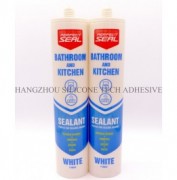
Mastering Caulk Dispensing Speed for Flawless Bathroom Seals Controlling the dispensing speed of bathroom sealant is critical for achieving clean, even beads that adhere properly and resist cracking or sagging. Too fast, and the material may overflow or form uneven lines; too slow, and the joint may look patchy or require excessive smoothing. This guide explores...
Views: 544 Dec 08 , 2025
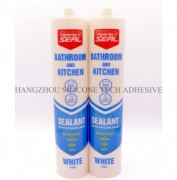
Essential Tips for Applying Bathroom Sealant in Humid Environments Bathrooms are inherently humid spaces, and applying sealant in these conditions demands extra care to ensure proper adhesion, durability, and a clean finish. Moisture can interfere with curing, weaken bonds, and promote mold growth if not handled correctly. This guide provides actionable techniques to...
Copyright 2019 by Hangzhou Silicone Tech Adhesive Co., Ltd. All rights reserved.
Bathroom Sealant | Acrylic Sealant | Dow Corning 795 | Aquarium Sealant | Dow Corning 732 | Clear Silicone Sealant | Polysulfide Sealant | Glazing Sealant | Mirror Sealant | IG Sealant
Powered by Onepound


