E-mail:
sales@silicone-sealant-china.com

Proper ventilation and drying after applying bathroom sealant are critical for ensuring a strong, durable bond and preventing mold or mildew growth. Bathrooms are naturally humid environments, and without adequate airflow, moisture can become trapped around fresh sealant, slowing the curing process and compromising its effectiveness. By following targeted ventilation strategies and understanding drying timelines, you can optimize the performance of your bathroom sealant. This guide explores practical methods to promote efficient drying and maintain a healthy bathroom environment.
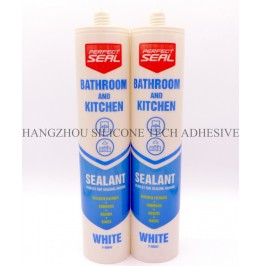
Opening windows and doors is one of the simplest ways to increase airflow in the bathroom. After applying sealant, keep windows wide open for at least 24–48 hours, depending on humidity levels. If the bathroom has an exterior door, leaving it slightly ajar can further enhance cross-ventilation, drawing fresh air in and pushing stale, moist air out. For bathrooms without windows, rely on mechanical ventilation methods, but ensure doors to adjacent rooms remain open to allow air circulation from other parts of the house. Natural ventilation is most effective in mild weather when outdoor air is dry and cool.
If natural ventilation is insufficient, use fans to boost air movement around the sealed areas. Place a box fan or oscillating fan near the bathroom door, angled to blow air into the room, or position a smaller fan directly facing the freshly sealed joints. Avoid blowing air directly onto the sealant at high speed, as this can create uneven drying or displace the material before it cures. Instead, maintain a gentle, steady flow of air that helps evaporate moisture without disturbing the sealant. Run fans continuously during the initial drying period for best results.
High humidity can significantly slow the drying process of bathroom sealant, leading to a tacky or soft finish that’s prone to damage. In humid climates or during rainy seasons, use a dehumidifier in the bathroom to reduce excess moisture in the air. Set the dehumidifier to maintain a relative humidity of 40–50% during the first 24–72 hours after application. Empty the water reservoir regularly and ensure the unit is placed away from the sealed areas to avoid direct contact with condensation. A dehumidifier complements natural or mechanical ventilation by creating a drier environment for faster curing.
Freshly applied sealant is vulnerable to water damage until it fully cures, which can take anywhere from 24 hours to several days depending on the type and environmental conditions. During this period, avoid running showers, baths, or sinks near the sealed areas. If possible, refrain from using the bathroom entirely for the first 24 hours, or cover the sealed joints with plastic sheeting or tape to shield them from splashes. Even minor water contact can weaken the bond or create a breeding ground for mold, undermining the sealant’s effectiveness.
Physical pressure or movement around fresh sealant can distort its shape or displace it from the joint, leading to uneven drying and compromised adhesion. Limit access to the bathroom during the initial drying period, especially in areas where sealant has been applied to floors or shower thresholds. If movement is unavoidable, place protective boards or cardboard over the sealed sections to distribute weight evenly and prevent indentation. Encourage household members to avoid touching or leaning on the sealant until it’s completely cured.
Dust, lint, or other airborne particles can settle on wet sealant, creating a rough or discolored surface that’s difficult to clean later. To prevent contamination, close the bathroom door when not in use and seal off the area with plastic sheeting if renovating other parts of the house simultaneously. Use a portable air purifier with a HEPA filter to capture dust particles in the air, or wipe down surfaces in adjacent rooms regularly to reduce the amount of debris circulating. A clean environment ensures the sealant dries to a smooth, professional finish.
The drying time of bathroom sealant varies based on factors like temperature, humidity, and sealant type. To gauge progress, lightly touch the sealant with a clean finger after 24 hours—it should feel firm but slightly tacky. If it feels soft or sticky, extend the drying period and reassess every 12 hours until it’s fully cured. Avoid pressing hard or dragging your finger, as this can leave marks or weaken the seal. Regular checks help you identify issues early, such as inadequate ventilation or high humidity, allowing you to adjust your approach accordingly.
Environmental conditions fluctuate with the seasons, requiring adjustments to your ventilation strategy. In summer, when humidity is often higher, rely more on dehumidifiers and fans to combat moisture buildup. In winter, when air is drier but temperatures are lower, ensure the bathroom stays warm enough to promote curing (ideally between 50–75°F or 10–24°C). Use a space heater if necessary, but keep it at a safe distance from the sealant to avoid overheating. Adapting to seasonal changes ensures consistent drying results year-round.
If the bathroom remains consistently damp despite your efforts, investigate underlying causes such as poor insulation, leaky pipes, or inadequate drainage. Persistent moisture can prevent sealant from curing properly and lead to long-term problems like mold or structural damage. Fix any leaks or plumbing issues first, then reassess your ventilation setup. In extreme cases, consider installing an exhaust fan with a humidity sensor that automatically activates when moisture levels rise, providing continuous protection for the sealant and the bathroom as a whole.
By prioritizing ventilation, protecting fresh sealant, and monitoring drying conditions, you can ensure your bathroom sealant cures properly and forms a lasting, watertight barrier. These techniques not only enhance the sealant’s performance but also contribute to a healthier, more durable bathroom environment.
Copyright 2019 by Hangzhou Silicone Tech Adhesive Co., Ltd. All rights reserved.
Bathroom Sealant | Acrylic Sealant | Dow Corning 795 | Aquarium Sealant | Dow Corning 732 | Clear Silicone Sealant | Polysulfide Sealant | Glazing Sealant | Mirror Sealant | IG Sealant
Powered by Onepound


