E-mail:
sales@silicone-sealant-china.com

When dealing with uncured sealant spills or smudges, timely and appropriate handling is crucial to prevent permanent damage to surfaces. The following strategies focus on different scenarios and material types, offering practical solutions without relying on harsh chemicals or specialized tools.
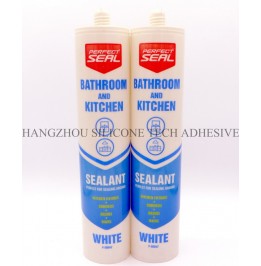
For fresh sealant spills on hard, non-porous surfaces like glass, metal, or ceramic tiles, act quickly to minimize absorption. Use a plastic scraper or an old credit card to gently lift the bulk of the material. Avoid metal tools, which may scratch delicate finishes. For textured surfaces, wrap a soft cloth around the scraper to conform to contours. After removing the majority, dampen a microfiber cloth with warm water and wipe the area in circular motions to dissolve residual adhesive properties. This method works best within 30 minutes of application, as the sealant remains pliable and less likely to bond permanently.
On porous materials such as untreated wood or concrete, absorb excess sealant immediately by pressing dry paper towels or cotton cloths onto the spill. Replace saturated materials frequently to prevent re-deposition. For stubborn residues, apply a small amount of cooking oil or petroleum jelly to the affected area, letting it sit for 5–10 minutes to break down the sealant’s tackiness. Gently scrub with a soft-bristled brush, then wipe clean with a damp cloth. This approach is particularly effective for silicone-based sealants, which respond well to lipid-based solvents.
Fabrics and Upholstery
For sealant stains on clothing or furniture, freeze the affected area by placing ice cubes in a plastic bag and pressing it against the spot for 10–15 minutes. Once the sealant hardens, use a dull knife or the edge of a spoon to carefully scrape off as much as possible. Pre-treat remaining traces with a mixture of mild dish soap and warm water, blotting rather than rubbing to avoid spreading the stain. Launder the item according to its care instructions, adding a cup of white vinegar to the rinse cycle to neutralize any lingering adhesiveness. For delicate fabrics, consult a professional cleaner to avoid damage.
Electronics and Sensitive Equipment
When sealant accidentally contacts screens, keyboards, or circuit boards, prioritize safety by disconnecting the device from power sources. Use compressed air to blow away loose particles, then dampen a cotton swab with isopropyl alcohol (70% concentration or lower) and gently dab the area. Avoid excessive moisture, which could seep into internal components. For recessed areas, wrap a thin strip of microfiber cloth around a toothpick to reach crevices. Allow the device to air-dry completely before reconnecting it. This method is suitable for most electronics, but always test on an inconspicuous spot first.
Automotive Surfaces
Car paint, plastic trim, and rubber seals require gentle handling to preserve their finishes. For uncured sealant on exterior paint, spray a small amount of automotive glass cleaner onto a microfiber cloth and wipe in straight lines to avoid swirl marks. If the sealant has begun to skin over, use a hairdryer on its lowest heat setting to soften it slightly before wiping. On plastic or rubber components, apply a dab of hand sanitizer (alcohol-based) to a cloth and rub gently until the residue lifts. Finish by polishing with a clean, dry cloth to restore shine.
To reduce the likelihood of uncurated sealant mishaps, adopt proactive strategies during application. Mask surrounding areas with painter’s tape or protective film, leaving a 1–2mm gap between the tape and the sealant line to ensure clean edges. Work in small sections, applying sealant evenly and smoothly to avoid drips. Keep a damp cloth nearby to wipe up spills immediately, and use a caulking tool or your finger (dipped in soapy water for silicone sealants) to smooth the bead before it cures. For vertical surfaces, consider using a flow control adhesive dispenser to maintain consistent application pressure.
When working indoors, ensure adequate ventilation to disperse fumes and reduce the risk of airborne particles settling on surfaces. Store sealant tubes upright in a cool, dry place to prevent premature curing or leakage. If interruptions occur during a project, cap the tube tightly and store it according to the manufacturer’s instructions to maintain its usability. By combining these preventive tactics with the cleaning methods outlined above, you can achieve professional-looking results while minimizing cleanup efforts.
Copyright 2019 by Hangzhou Silicone Tech Adhesive Co., Ltd. All rights reserved.
Bathroom Sealant | Acrylic Sealant | Dow Corning 795 | Aquarium Sealant | Dow Corning 732 | Clear Silicone Sealant | Polysulfide Sealant | Glazing Sealant | Mirror Sealant | IG Sealant
Powered by Onepound


