E-mail:
sales@silicone-sealant-china.com

Large bathroom areas, such as walk-in showers or wet zones with multiple joints, require a systematic approach to sealant application. Segmented application divides the workspace into manageable sections, ensuring consistent coverage and minimizing defects. This method is particularly effective for irregular surfaces or areas with varying joint widths, as it allows for precise control over material flow and adhesion.
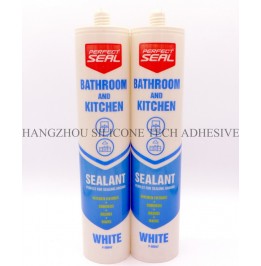
For example, a 10m² bathroom floor with multiple drainage channels and wall-to-floor transitions can be split into 4–6 segments. Each segment is treated as an independent unit, with boundaries marked using chalk lines or laser levels. This prevents overlapping applications, which may lead to uneven curing or weak points in the seal.
Begin by inspecting the bathroom surface for cracks, loose tiles, or existing sealant residue. Remove old sealant using a scraper or solvent-based cleaner, ensuring joints are free of dust and grease. For concrete or tiled surfaces, grind rough edges to create smooth, uniform profiles.
Divide the area into logical segments based on natural breaks, such as:
Use a waterproof marker or masking tape to demarcate segments clearly. This helps maintain alignment during application and avoids accidental cross-contamination.
Apply a compatible primer to all joint surfaces within each segment. Primers improve adhesion by chemically bonding the sealant to the substrate, especially on porous materials like concrete or stone. Allow the primer to dry according to manufacturer instructions—typically 15–30 minutes—before proceeding.
Insert closed-cell backer rods into wider joints (≥6mm) to control sealant depth and prevent three-sided adhesion, which can cause cracking. Choose a backer rod diameter 20–30% larger than the joint width to ensure a snug fit. Press the rod firmly into place using a roller or blunt tool, leaving a uniform depth of 2–3mm for the sealant.
Load a caulking gun with the chosen sealant and cut the nozzle at a 45° angle to match the joint width. For each segment:
Allow each segment to cure partially (usually 1–2 hours) before moving to adjacent areas. This prevents accidental disturbance of freshly applied sealant while maintaining workflow continuity.
Variations in temperature or humidity between segments can lead to inconsistent curing times, causing joint mismatches.
Solution: Maintain a stable environment by closing doors/windows during application and using dehumidifiers if necessary. Schedule work during mild weather conditions to minimize external influences.
Poor bonding between segments may occur if primers dry out or surfaces are contaminated during breaks.
Solution: Apply primer in small batches and work quickly to avoid skinning over. Cover unused primer with plastic wrap to extend its working time. Clean tools frequently to prevent cross-contamination.
Improper alignment or tooling can create noticeable lines where segments meet, compromising aesthetics.
Solution: Use laser levels or straightedges to ensure precise segmentation. Overlap tooling slightly at segment boundaries (1–2mm) to blend the finish seamlessly. For high-visibility areas, apply a final pass with a damp finger to smooth transitions.
For bathrooms with curved walls, multiple fixtures, or intricate tile patterns, adapt segmented application with these strategies:
By mastering segmented application, professionals can achieve flawless, long-lasting seals in large bathroom areas, even under challenging conditions. This method combines technical precision with practical efficiency, making it indispensable for modern bathroom renovations.
Copyright 2019 by Hangzhou Silicone Tech Adhesive Co., Ltd. All rights reserved.
Bathroom Sealant | Acrylic Sealant | Dow Corning 795 | Aquarium Sealant | Dow Corning 732 | Clear Silicone Sealant | Polysulfide Sealant | Glazing Sealant | Mirror Sealant | IG Sealant
Powered by Onepound


