E-mail:
sales@silicone-sealant-china.com

Colored sealants are popular for their ability to blend seamlessly with surfaces or create decorative accents, but achieving a uniform color across large or complex areas can be challenging. Inconsistent color often stems from improper mixing, uneven application, or environmental factors that affect curing. To ensure a professional, visually appealing finish, mastering color-control techniques during every stage of the process is essential. This guide explores practical methods to maintain color consistency in colored sealant projects.
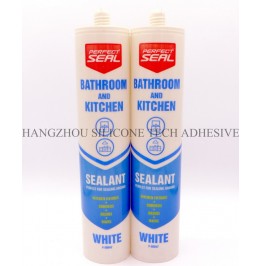
Colored sealants typically consist of a base material and pigments that must be evenly distributed to avoid streaks or patches. Before loading the sealant into a dispenser or cartridge, mix it thoroughly by hand or with a mechanical mixer. For hand mixing, use a clean, dry paddle or spatula to fold and scrape the sides of the container for 3–5 minutes, ensuring the pigment is fully incorporated. Mechanical mixers can speed up the process but should be set to a low speed to prevent air bubbles, which can disrupt color uniformity. Always mix the entire batch at once to avoid variations between partially mixed portions.
Before applying the sealant to the main surface, test it on a scrap piece of material or an inconspicuous area. Dispense a small amount and tool it smooth, then observe the color under natural and artificial light. If the color appears uneven or differs from the desired shade, continue mixing or adjust the pigment ratio if custom blending. This step helps identify issues early, preventing wasted material and rework on the final project.
Residues from previous sealant applications or contaminants in tools can alter the color of fresh sealant. Clean all dispensing equipment, nozzles, and smoothing tools with a solvent like isopropyl alcohol before use. Rinse thoroughly and dry completely to avoid introducing moisture, which can affect curing and color development. Similarly, ensure the container holding the sealant is free of dust or old material that could mix into the new batch. A clean workspace minimizes the risk of color contamination.
Stopping and starting during application can create visible seams or variations in color intensity. Move the dispenser or caulking gun steadily along the joint, maintaining consistent pressure on the trigger to ensure a smooth, uninterrupted bead. For larger projects, divide the area into manageable sections and complete each section in one pass. If working with a partner, coordinate to avoid overlapping or gaps that could disrupt color flow. A continuous application helps the pigment distribute evenly as the sealant cures.
After applying the sealant, use a smoothing tool (such as a plastic spatula, silicone finisher, or dampened finger) to shape the bead and blend the color. Hold the tool at a consistent angle and apply gentle, even pressure to avoid creating ridges or depressions that trap pigment unevenly. For decorative finishes, experiment with different tooling patterns (e.g., curved or textured) to achieve the desired effect, but maintain the same technique across the entire surface to ensure color consistency. Work quickly while the sealant is still pliable to prevent hardening, which can make blending difficult.
Thicker layers of sealant may cure unevenly, leading to color variations between the surface and deeper layers. Apply the sealant at the manufacturer’s recommended thickness, typically 1/8 to 1/4 inch, depending on the joint width. Use a backer rod or masking tape to control depth in wider gaps, ensuring the sealant fills the space uniformly. Avoid over-applying, as excess material may sag or pool, creating uneven color patches. Consistent thickness promotes even curing and color saturation throughout the sealant.
Color perception can vary under different lighting conditions, so inspect the finished sealant under natural daylight, incandescent light, and fluorescent light to check for uniformity. Look for areas where the color appears lighter, darker, or streaked compared to the rest of the surface. Shine a light parallel to the joint to highlight subtle variations that might be missed under direct overhead lighting. Mark any inconsistent spots with a removable pencil or tape for targeted corrections.
If small areas of the sealant appear slightly off-color, carefully mix a tiny amount of tinted additive (compatible with the sealant base) to match the desired shade. Apply the additive sparingly to the affected area using a fine brush or needle, then blend it gently with a tooling method. Work in thin layers to avoid overcorrecting, which could create new inconsistencies. This approach is best for minor adjustments; major color mismatches may require removing and reapplying the sealant.
For significant color variations or patches that cannot be corrected with additives, remove the affected sealant using a sharp utility knife or scraper. Clean the area thoroughly with alcohol and allow it to dry completely. Reapply fresh sealant, following the proper mixing and application techniques outlined earlier. Take extra care to match the color and texture of the surrounding sealant during the second application. Patience and attention to detail during this step ensure a seamless, uniformly colored finish.
By focusing on thorough mixing, steady application, and post-application inspections, you can achieve consistent color in colored sealant projects. These strategies enhance both the aesthetic appeal and durability of the seal, creating a professional result that stands out.
Copyright 2019 by Hangzhou Silicone Tech Adhesive Co., Ltd. All rights reserved.
Bathroom Sealant | Acrylic Sealant | Dow Corning 795 | Aquarium Sealant | Dow Corning 732 | Clear Silicone Sealant | Polysulfide Sealant | Glazing Sealant | Mirror Sealant | IG Sealant
Powered by Onepound


