E-mail:
sales@silicone-sealant-china.com

Transparent sealants are widely used for their aesthetic appeal and versatility, but air bubbles trapped during application can mar their clarity and compromise performance. These bubbles form due to improper mixing, rapid application, or environmental factors, creating weak spots in the seal. To achieve a flawless, bubble-free finish, mastering bubble-removal techniques is essential. This guide explores practical strategies to prevent and eliminate air bubbles in transparent sealant projects.
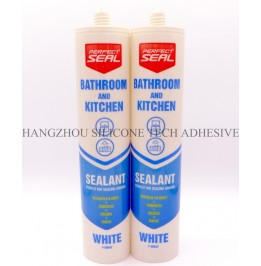
Before loading the sealant into a caulking gun or dispenser, ensure it’s thoroughly mixed. Many transparent sealants settle over time, separating into layers of base material and hardener. If using a cartridge, gently knead it by hand for 2–3 minutes to reintegrate components. For bulk containers, stir the sealant slowly with a clean, dry paddle for 5–7 minutes, scraping the sides and bottom to avoid uneven mixing. Avoid vigorous stirring, as this can introduce air into the mixture. Consistent mixing ensures a homogeneous sealant less prone to bubbling.
The tools you use directly impact air incorporation during application. Choose a high-quality caulking gun with a smooth trigger mechanism to control the flow of sealant. Avoid cheap or worn-out guns that may jerk or release uneven pressure, forcing air into the bead. For smaller projects, consider using a precision applicator bottle with a fine nozzle, which allows for controlled dispensing and reduces turbulence. Ensure the nozzle size matches the joint width—a too-narrow nozzle can force air into the sealant as it squeezes through.
Dust, debris, or humidity in the work area can interfere with sealant adhesion and trap air bubbles. Clean surfaces thoroughly by wiping them with a lint-free cloth dampened with isopropyl alcohol to remove oils, dirt, or old sealant residues. Ensure the area is dry, as moisture on the surface or in the air can react with the sealant, causing foaming or bubbling. If working in a dusty environment, use a portable air purifier or seal off the work zone with plastic sheeting to minimize airborne particles. A controlled environment sets the stage for bubble-free application.
Rapid dispensing of transparent sealant can create turbulence, trapping air in the bead. Move the caulking gun or applicator at a consistent, moderate speed along the joint, maintaining even pressure on the trigger. Avoid stopping and starting abruptly, as this can cause uneven flow and air pockets. If using a cartridge, keep the nozzle submerged in the sealant as you pull the gun backward to prevent air from being drawn into the tip. For vertical joints, start at the bottom and work upward to allow gravity to assist in creating a smooth, bubble-free bead.
After applying the sealant, use a smoothing tool (such as a plastic spatula, silicone finisher, or a dampened finger) to shape the bead and release trapped air. Hold the tool at a 45-degree angle to the joint and apply gentle, even pressure as you drag it along the sealant. This compresses the material slightly, forcing air bubbles to the surface where they can escape. For narrow joints, use a rounded tool to avoid creating sharp edges that might trap air. Work in sections of 1–2 feet at a time to ensure the sealant remains pliable enough for tooling before it begins to cure.
In deeper joints or gaps, air bubbles are more likely to form at the bottom. To address this, apply a small amount of sealant into the joint first, then use a tool to press it firmly into the corners, releasing any trapped air. Next, apply a second layer of sealant to fill the joint completely and tool it smooth. This two-step approach ensures the sealant penetrates deeply and displaces air from hidden areas. For particularly deep joints, consider using a backer rod (a flexible foam strip) to reduce the volume of sealant needed and create a reservoir that minimizes air entrapment.
After tooling, carefully inspect the sealant for any remaining bubbles, especially in low-light areas or shadows where they may be harder to spot. Shine a bright light parallel to the joint to highlight imperfections—bubbles will appear as small, shiny dots or indentations. If bubbles are found, use a clean, sharp tool (like a needle or the tip of a utility knife) to gently puncture them, then press the surrounding sealant flat with your finger or a tool. Work quickly, as the sealant will begin to cure and become less malleable over time.
Environmental conditions play a significant role in bubble formation and sealant curing. High humidity can slow down the evaporation of solvents in the sealant, leading to prolonged tackiness and potential bubbling as trapped moisture tries to escape. Low humidity, on the other hand, can cause rapid surface drying, trapping air beneath a hardened crust. Maintain a relative humidity of 40–60% in the work area using dehumidifiers or humidifiers as needed. Similarly, keep the temperature between 50–75°F (10–24°C)—extreme cold or heat can affect curing consistency and bubble behavior.
If bubbles persist despite your best efforts, it may be necessary to remove and reapply the sealant in affected sections. Use a sharp utility knife or scraper to carefully cut away the bubbled sealant, ensuring you remove all compromised material down to a clean, sound base. Clean the area thoroughly with alcohol and allow it to dry completely before reapplying fresh sealant. Take extra care during the second application to follow the bubble-prevention techniques outlined earlier, such as steady dispensing and proper tooling. Patience and attention to detail will yield a bubble-free finish.
By combining pre-application preparation, careful application techniques, and post-application inspections, you can significantly reduce or eliminate air bubbles in transparent sealant projects. These strategies ensure a clear, durable seal that enhances both function and aesthetics.
Copyright 2019 by Hangzhou Silicone Tech Adhesive Co., Ltd. All rights reserved.
Bathroom Sealant | Acrylic Sealant | Dow Corning 795 | Aquarium Sealant | Dow Corning 732 | Clear Silicone Sealant | Polysulfide Sealant | Glazing Sealant | Mirror Sealant | IG Sealant
Powered by Onepound


