E-mail:
sales@silicone-sealant-china.com

Slow-drying sealants are valued for their extended working time, allowing for precise adjustments and flawless finishes. However, their prolonged curing period also makes them vulnerable to damage from environmental factors, human activity, or improper handling. To ensure optimal performance and longevity, implementing targeted protection measures after application is essential. This guide outlines practical steps to safeguard slow-drying sealants during their vulnerable curing phase.
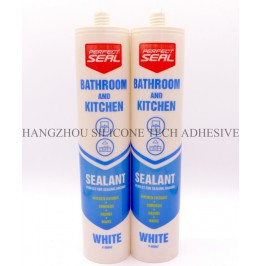
During the curing process, slow-dying sealants remain tacky or soft, making them magnets for airborne particles like dust, dirt, or construction debris. To minimize contamination, cover freshly sealed areas with clean plastic sheeting or drop cloths immediately after application. Secure the edges with tape to prevent shifting, and avoid walking on or disturbing the covered sections. If working in a dusty environment, use portable air purifiers or seal off the work area with temporary partitions to reduce particulate matter. Regularly inspect the covered surfaces and replace soiled sheeting as needed to maintain a clean environment.
Excess moisture can disrupt the curing chemistry of slow-drying sealants, leading to uneven drying, bubbling, or reduced adhesion. In high-humidity conditions, use dehumidifiers to maintain optimal moisture levels (typically between 40–60% relative humidity). If dehumidifiers aren’t available, improve ventilation by opening windows or using fans to circulate air, but avoid directing airflow directly onto the sealed surfaces, as this can cause uneven drying. For outdoor projects, check weather forecasts and avoid applying sealant before rain or heavy dew. If unexpected moisture occurs, gently blot excess water with absorbent cloths without disturbing the sealant layer.
Prolonged exposure to sunlight or high temperatures can accelerate the outer layer of slow-drying sealants while leaving the interior under-cured, resulting in cracking or brittleness. Shield indoor sealed areas from direct sunlight by closing curtains or blinds during peak daylight hours. For outdoor applications, use UV-resistant coverings or temporary shades to protect the sealant during curing. Keep the work area away from radiators, heaters, or other artificial heat sources, as uneven heating can warp the sealant’s structure. If working in a warm climate, consider scheduling applications during cooler parts of the day, such as early morning or late afternoon.
Slow-drying sealants remain soft for hours or even days after application, making them susceptible to indentation or displacement from foot traffic. Clearly mark sealed zones with warning signs or tape to discourage access, and communicate with household members or coworkers about the restricted areas. If movement is unavoidable, lay down temporary walkways made of plywood or cardboard to distribute weight evenly and prevent direct contact with the sealant. For vertical surfaces like walls or joints, avoid leaning objects against them until the sealant has fully cured to prevent deformation.
Construction tools, ladders, or materials placed near freshly sealed areas can accidentally scratch, dent, or dislodge the sealant. Store tools in designated areas away from the work zone, and use tool belts or carts to keep them organized and elevated. When moving equipment like ladders, lift them carefully instead of dragging them across floors, as friction can damage the sealant. For overhead work, ensure drop cloths are securely fastened to catch falling debris, and inspect the sealed surfaces afterward for any impacts. Creating a buffer zone around the sealed area reduces the risk of accidental damage.
In projects involving joints between moving parts (e.g., windows, doors, or expansion joints), vibrations or shifts during curing can weaken the sealant’s bond or create gaps. Stabilize the surrounding structure by using temporary braces or clamps to minimize movement until the sealant hardens. For example, if sealing gaps around a window frame, avoid opening or closing the window for the recommended curing period. In industrial settings, isolate vibrating machinery from sealed areas using rubber mats or shock absorbers. By reducing external forces, you ensure the sealant forms a strong, durable bond.
While slow-drying sealants need protection from excessive airflow, complete stagnation can lead to uneven curing or trapped moisture. Use fans set to low speed to gently circulate air around the sealed area without creating drafts. Position fans at a distance or angle them away from direct contact with the sealant to avoid uneven drying. For enclosed spaces like bathrooms or basements, open windows or use exhaust fans to maintain airflow while controlling humidity. Regularly check the sealant’s surface for signs of uneven curing, such as shiny or sticky spots, and adjust ventilation as needed.
Temperature fluctuations can affect the curing rate of slow-drying sealants, with cold temperatures slowing the process and hot temperatures causing rapid surface drying. Maintain a consistent room temperature (ideally between 50–75°F or 10–24°C) during curing by using heaters or air conditioners as needed. Avoid placing sealed objects near vents or radiators, as localized temperature changes can create weak spots in the sealant. If working outdoors in cold weather, consider using insulated blankets or heat lamps (kept at a safe distance) to gently warm the area without overheating. Consistent temperatures support uniform curing.
Certain chemicals or fumes in the air can react with slow-drying sealants, altering their composition or curing properties. Avoid applying sealant near areas where solvents, paints, or cleaning agents are being used, as their vapors can contaminate the sealant. If working in a garage or workshop, ensure proper ventilation to disperse exhaust fumes from vehicles or machinery. For sensitive projects, use air quality monitors to detect harmful substances and take corrective actions, such as relocating the work area or improving ventilation. Clean air ensures the sealant cures as intended without unwanted chemical interactions.
By implementing these protection measures, you can safeguard slow-drying sealants during their vulnerable curing phase, ensuring a durable, professional finish. Thoughtful planning and attention to environmental and physical factors are key to achieving long-lasting results.
Copyright 2019 by Hangzhou Silicone Tech Adhesive Co., Ltd. All rights reserved.
Bathroom Sealant | Acrylic Sealant | Dow Corning 795 | Aquarium Sealant | Dow Corning 732 | Clear Silicone Sealant | Polysulfide Sealant | Glazing Sealant | Mirror Sealant | IG Sealant
Powered by Onepound


