E-mail:
sales@silicone-sealant-china.com

Fast-curing sealants are popular in construction and renovation due to their quick setting times, which minimize downtime and accelerate project completion. However, their rapid hardening also demands precise timing and efficient workflow management. Missteps in application speed can lead to uneven finishes, wasted material, or even structural issues. This guide explores how to control the rhythm of fast-curing sealant projects, ensuring smooth execution from start to finish.
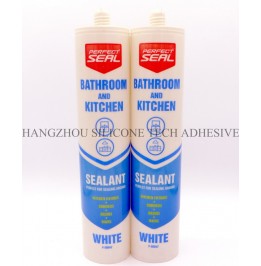
Before starting any sealant application, gather all necessary tools and materials in one accessible location. This includes caulking guns, smoothing tools, cleaning supplies, and protective gear like gloves and safety glasses. Arrange them in a logical order based on the application process—for example, place the caulking gun closest to the sealant cartridge station, followed by smoothing tools and cleaning rags. Having everything within reach reduces interruptions during application, allowing you to maintain a steady pace without scrambling for missing items.
Surface preparation is critical for fast-curing sealants, as any delays between prepping and applying can lead to contamination or uneven adhesion. Clean surfaces thoroughly by removing dust, grease, or old sealant residues using appropriate solvents or abrasives. Ensure surfaces are completely dry before applying sealant, as moisture can interfere with curing and weaken the bond. If working in a high-humidity environment, consider using dehumidifiers or fans to speed up drying. By prepping surfaces efficiently, you create a clean canvas ready for seamless sealant application.
Estimating the right amount of sealant is essential to avoid mid-project shortages or excess waste. Measure the length and width of joints or gaps where the sealant will be applied, then calculate the volume needed based on the sealant’s coverage rate (usually provided by the manufacturer). Add a small buffer (around 10%) to account for uneven application or minor adjustments. Having the correct quantity on hand ensures you can work continuously without pausing to fetch more material, maintaining a consistent application rhythm.
Fast-curing sealants harden quickly, so dividing the work area into manageable sections is key. Start by applying sealant to a small segment (e.g., 1–2 feet of a joint) and immediately smooth it with a finishing tool. Then move to the next section, repeating the process. This approach prevents the sealant from curing before you have time to shape it, ensuring a uniform finish. If working alone, focus on shorter segments; if collaborating with a team, assign roles—one person applies the sealant while another smooths it—to maximize efficiency.
The speed at which sealant exits the cartridge affects both the quality of the bead and the overall workflow. Apply steady, even pressure to the caulking gun trigger to ensure a continuous flow of sealant. Avoid sudden bursts or jerky movements, as these can create uneven beads that require additional smoothing or reapplication. Practice controlling the trigger pressure on a scrap surface before starting the actual project to develop a feel for the optimal speed. Consistent pressure helps maintain a rhythm that aligns with the sealant’s curing time.
Fast-curing sealants offer a limited window for shaping and finishing, so using smoothing tools correctly is crucial. After applying a section of sealant, immediately use a plastic spatula, finger dipped in soapy water, or a specialized finishing tool to create a smooth, concave bead. Work quickly but carefully, applying gentle pressure to avoid dragging or distorting the sealant. If the sealant starts to harden before you finish smoothing, stop and move to the next section—trying to force a finish on cured sealant will only damage the surface.
In hot weather, fast-curing sealants harden even faster, shrinking the working window for application and smoothing. To compensate, work earlier in the morning or later in the evening when temperatures are cooler, or use shading to protect the work area from direct sunlight. If high temperatures are unavoidable, reduce the size of each application section to ensure you can finish smoothing before the sealant cures. Keep a spray bottle of water nearby to lightly mist the surface if it becomes too dry, but avoid over-wetting, as excess moisture can weaken the bond.
Humidity affects how fast-curing sealants dry and cure. High humidity can slow down the process, while low humidity can cause rapid drying and cracking. Use a hygrometer to monitor humidity levels in the work area. If humidity is high, increase ventilation by opening windows or using fans to help the sealant cure evenly. In dry conditions, consider using a humidifier or misting the area lightly to prevent premature curing. Adjusting your application rhythm based on humidity ensures the sealant sets correctly without compromising quality.
After applying fast-curing sealant, shield it from dust, debris, or foot traffic until it fully cures. Cover the sealed area with plastic sheeting or tape if necessary, especially in busy construction sites. Avoid touching or disturbing the sealant during the curing period, as this can create imperfections or weaken the bond. If rain is expected, plan your application schedule to allow enough time for the sealant to harden before exposure. By protecting freshly applied sealant, you maintain the integrity of the finish and avoid costly rework.
By mastering these techniques for controlling the pace of fast-curing sealant projects, you can achieve professional results efficiently and reliably. Whether adapting to environmental challenges or refining your application rhythm, thoughtful planning and execution are the keys to success.
Copyright 2019 by Hangzhou Silicone Tech Adhesive Co., Ltd. All rights reserved.
Bathroom Sealant | Acrylic Sealant | Dow Corning 795 | Aquarium Sealant | Dow Corning 732 | Clear Silicone Sealant | Polysulfide Sealant | Glazing Sealant | Mirror Sealant | IG Sealant
Powered by Onepound


