E-mail:
sales@silicone-sealant-china.com

Applying bathroom sealant requires precision, and the tools you use play a crucial role in achieving a professional finish. However, once the job is done, cleaning these tools properly is equally important to maintain their functionality and extend their lifespan. Residual sealant left on tools can harden, making them difficult to use for future projects and potentially contaminating new sealant batches. This guide outlines effective cleaning techniques for common bathroom sealant application tools, ensuring they remain in optimal condition.
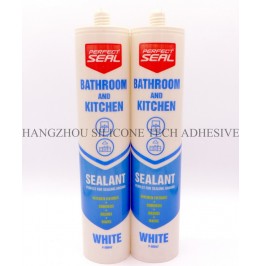
After finishing a sealant application, the cartridge holder of the caulking gun often retains dried or semi-dried sealant. Start by carefully removing the empty sealant cartridge from the gun. Use a plastic scraper or an old credit card to gently scrape away any residual sealant from the inner walls of the cartridge holder. Avoid using metal tools, as they can scratch the surface and make future cartridge insertions more difficult. For stubborn residues, wrap a cloth dampened with isopropyl alcohol around your finger and rub the inside of the holder until the sealant loosens.
The trigger mechanism and plunger of the caulking gun are prone to collecting small amounts of sealant, especially around the moving parts. Use a soft-bristled brush (like an old toothbrush) to dislodge any dried sealant from these areas. Dip the brush in a mixture of warm water and mild dish soap, then scrub gently to avoid damaging delicate components. For greasy or oil-based sealants, a small amount of vinegar can help break down the residue. After scrubbing, wipe the parts with a clean, damp cloth to remove any soap or cleaning solution, and dry them thoroughly with a lint-free cloth to prevent rusting.
Once the caulking gun is clean, apply a thin layer of silicone-based lubricant to the trigger mechanism and plunger. This helps reduce friction and ensures smooth operation during future use. Avoid using petroleum-based lubricants, as they can degrade certain types of sealant over time. Work the lubricant into the moving parts by gently pressing the trigger several times, then wipe away any excess with a cloth. Store the caulking gun in a dry place to prevent moisture buildup, which can lead to corrosion or mold growth.
Plastic spatulas and specialized sealant finishing tools are commonly used to shape and smooth sealant beads. After use, these tools often have a layer of cured or semi-cured sealant on their surfaces. Soak the tools in a bucket of warm, soapy water for 10–15 minutes to soften the residue. Use a non-abrasive sponge or cloth to gently scrub the tools, focusing on areas where sealant has accumulated. For stubborn spots, apply a small amount of isopropyl alcohol or vinegar to the sponge and scrub again. Rinse the tools thoroughly with clean water and dry them with a towel before storing.
Metal sealant removers, such as hook-shaped tools or scrapers, are effective for trimming excess sealant but can quickly become clogged with dried material. To clean these tools, first use a plastic scraper to remove as much loose sealant as possible. Then, soak the tool in a solution of warm water and dish soap for about 20 minutes. After soaking, use a wire brush or an old toothbrush to scrub away any remaining residue. For particularly stubborn sealant, heat the tool slightly with a hairdryer (on a low setting) to soften the material before scrubbing. Rinse the tool with water and dry it completely to prevent rusting.
After cleaning, store your sealant smoothing tools in a designated container or toolbox to keep them organized and protected. Avoid tossing them loosely into a drawer, as this can cause them to become scratched or bent. If possible, wrap each tool in a soft cloth or place them in separate compartments to prevent contact between metal and plastic parts, which could lead to damage. Keep the tools in a cool, dry place away from direct sunlight, as heat and humidity can cause certain materials to warp or degrade over time.
Utility knives are often used to cut sealant nozzles or trim excess material, but their blades can quickly become dull or clogged with dried sealant. To clean the blade, carefully remove it from the knife handle (following the manufacturer’s instructions) and wipe it with a cloth dampened with isopropyl alcohol to remove any residue. If the blade is dull, use a sharpening stone or a specialized blade sharpener to restore its edge. Be sure to follow proper safety precautions when sharpening, such as wearing gloves and working on a stable surface. After sharpening, wipe the blade again to remove any metal filings, then reattach it to the knife handle.
Scrapers, whether plastic or metal, are essential for removing old sealant or excess material during application. To clean a scraper, start by using a plastic scraper or an old credit card to remove any large chunks of dried sealant from the edge. Then, soak the scraper in warm, soapy water for 15–20 minutes to soften any remaining residue. Use a wire brush or an abrasive pad to scrub the edge of the scraper, applying moderate pressure to dislodge stubborn material. Rinse the scraper with clean water and dry it thoroughly with a towel to prevent rusting (for metal scrapers) or warping (for plastic scrapers).
Metal tools like utility knives and scrapers are susceptible to corrosion if not cleaned and stored properly. After cleaning, apply a thin coat of oil (such as mineral oil or a light machine oil) to the metal surfaces to create a protective barrier against moisture. Wipe away any excess oil with a cloth to avoid attracting dust or debris. Store metal tools in a dry place, ideally in a toolbox with a desiccant packet to absorb any residual humidity. Regularly inspect your tools for signs of rust or corrosion, and address any issues immediately to prevent further damage.
By following these cleaning methods, you can ensure that your bathroom sealant application tools remain in excellent condition, ready for your next project. Proper maintenance not only extends the lifespan of your tools but also guarantees consistent, high-quality results every time you apply sealant.
Copyright 2019 by Hangzhou Silicone Tech Adhesive Co., Ltd. All rights reserved.
Bathroom Sealant | Acrylic Sealant | Dow Corning 795 | Aquarium Sealant | Dow Corning 732 | Clear Silicone Sealant | Polysulfide Sealant | Glazing Sealant | Mirror Sealant | IG Sealant
Powered by Onepound


