E-mail:
sales@silicone-sealant-china.com

A properly sealed drain is essential for maintaining a dry and mold-free bathroom or kitchen floor. When water seeps through gaps around the drain, it can damage subfloors, promote bacterial growth, and create unpleasant odors. Mastering the right sealing techniques ensures long-lasting protection against moisture infiltration. This guide covers key steps and strategies for achieving a watertight seal around drains, focusing on preparation, application, and maintenance.
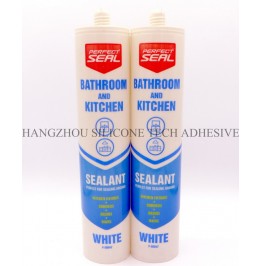
Before applying new sealant, thoroughly clean the area around the drain to remove any existing material, dirt, or grime. Use a plastic scraper or a putty knife to gently pry away old sealant, taking care not to scratch the drain surface or adjacent tiles. For stubborn residues, apply a small amount of isopropyl alcohol to a cloth and rub the area until the sealant loosens. Avoid using sharp tools or abrasive cleaners, as these can damage the finish of the drain or flooring.
Once the old sealant is removed, clean the entire area with a mixture of warm water and mild dish soap. Scrub gently with a non-abrasive sponge to eliminate soap scum, hard water stains, or mold spores. Pay special attention to the edges where the drain meets the floor, as these areas often harbor hidden moisture. After cleaning, rinse the surface with clean water and dry it completely using a lint-free cloth or a hairdryer on a low setting. Moisture trapped beneath the new sealant can weaken adhesion and lead to premature failure.
To achieve clean, professional lines, apply painter’s tape along both sides of the joint between the drain and the floor. Place the tape about 1–2mm away from the edge of the drain to leave room for the sealant to fill the gap. Press the tape firmly to prevent bleed-through, especially on porous tiles or textured surfaces. For drains with irregular shapes or multiple layers (like those with a flange), use narrow tape to navigate tight spaces without overlapping onto the drain components. Remove the tape immediately after shaping the sealant to avoid pulling up the material.
Not all sealants are suitable for drain applications. Choose a silicone-based or polyurethane sealant, as these materials offer flexibility to accommodate minor movements caused by temperature changes or floor settling. Ensure the sealant is labeled “waterproof” and “mold-resistant” to withstand constant exposure to moisture and humidity. For drains installed in areas with high chemical exposure (like laundry rooms), opt for a sealant resistant to detergents and cleaning agents. Avoid using acrylic sealants, as they tend to crack over time when exposed to water.
The nozzle of the sealant cartridge determines the width and shape of the bead applied. Cut the nozzle at a 45-degree angle using a sharp utility knife, adjusting the opening size to match the gap between the drain and the floor (typically 3–6mm wide). A smaller opening creates a thinner bead for narrow gaps, while a larger opening suits wider joints. If the gap varies in width, start with a smaller opening and make multiple passes to fill deeper sections evenly. For drains with a flange, cut the nozzle to match the angle of the flange for a seamless transition.
Load the sealant cartridge into a caulking gun and hold it at a 45-degree angle to the joint. Squeeze the trigger gently to start the flow of sealant, then move the gun steadily along the circumference of the drain in one smooth motion. Avoid stopping midway, as this can create uneven sections or air pockets. For larger drains, work in sections of 15–30cm at a time, releasing pressure on the trigger as you reach the end of each section to prevent excess sealant from oozing out. Apply enough sealant to fill the gap completely without overfilling, which can make shaping difficult.
Immediately after applying the sealant, use a dampened finger (wrapped in a latex glove) or a plastic spatula to shape the bead. Dip the tool in a mixture of water and a few drops of dish soap to reduce friction and prevent sticking. Press the sealant into the joint with moderate pressure, creating a concave profile that slopes slightly downward toward the drain. This shape directs water into the drain instead of allowing it to pool around the edges, enhancing the seal’s effectiveness. For drains with a flange, ensure the sealant forms a smooth transition between the flange and the floor to prevent water from seeping underneath.
While the sealant is still slightly tacky (usually within 5–10 minutes of application), carefully peel away the painter’s tape at a 45-degree angle away from the joint. Pulling the tape straight upward can drag the sealant out of shape or leave jagged edges. Use a utility knife or a sealant remover tool to trim any excess sealant that may have squeezed out beyond the tape line. Work gently to avoid scratching the drain or floor surface. For drains with intricate designs, use a toothpick or a small brush to clean up tight spaces.
After shaping the sealant, allow it to cure fully before exposing it to water or foot traffic. Curing times vary depending on the product and environmental conditions (typically 24–72 hours), but avoid touching or disturbing the sealant during this period. Keep the area well-ventilated by opening windows or using a fan to accelerate drying. Once cured, check the sealant for any shrinkage or gaps. If needed, apply a second thin layer to reinforce weak spots, ensuring complete coverage of the joint.
By following these techniques, you can create a durable, watertight seal around your drain that prevents water damage and maintains a clean, hygienic environment. Attention to detail during preparation, application, and curing ensures the sealant performs effectively, protecting your floors from moisture-related issues for years to come.
Copyright 2019 by Hangzhou Silicone Tech Adhesive Co., Ltd. All rights reserved.
Bathroom Sealant | Acrylic Sealant | Dow Corning 795 | Aquarium Sealant | Dow Corning 732 | Clear Silicone Sealant | Polysulfide Sealant | Glazing Sealant | Mirror Sealant | IG Sealant
Powered by Onepound


