E-mail:
sales@silicone-sealant-china.com

Achieving strong, long-lasting adhesion between sealants and diverse surface materials is critical for bathroom renovations, kitchen installations, and exterior waterproofing projects. Poor adhesion leads to premature failure, leaks, and costly repairs. Below are actionable strategies to improve sealant bonding on common substrates like tiles, glass, metal, and concrete without relying on proprietary products or expensive tools.
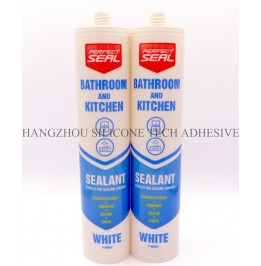
Each material presents unique obstacles to sealant adhesion. Identifying these challenges upfront allows for targeted preparation and application techniques.
Porous materials like concrete, natural stone, and unglazed tiles absorb moisture and sealant components, weakening the bond over time. Non-porous surfaces such as glass, polished metal, and glazed tiles resist adhesion due to their smooth, impermeable nature.
For porous substrates, deep cleaning is essential to remove embedded dirt and oils that block sealant penetration. Non-porous surfaces require roughening or chemical etching to create micro-textures for mechanical bonding.
Materials like metal and glass expand and contract at different rates than sealants, causing stress at the joint interface. This is common in bathroom fixtures attached to tiled walls or glass shower doors sealed to metal frames.
To mitigate this, choose flexible sealants with high elongation properties. These materials stretch without cracking under temperature fluctuations, maintaining adhesion even as substrates move.
Certain materials, such as copper or brass, react with acidic sealants, leading to discoloration or adhesion loss. Alkaline cleaners used on concrete can leave residues that interfere with bonding.
Always test sealants on inconspicuous areas first and neutralize surfaces after cleaning. For chemically sensitive materials, opt for neutral-curing sealants that minimize reactions.
Proper preparation accounts for 80% of adhesion success. Tailor your approach to the material type to ensure the sealant forms a durable bond.
Start by scrubbing concrete or stone with a stiff brush and a pH-neutral cleaner to remove dirt, mold, and efflorescence. For stubborn stains, use a diluted acid solution (e.g., 10% vinegar for light deposits) followed by thorough rinsing and drying.
Avoid oil-based cleaners, as they leave residues that repel sealants. Allow porous surfaces to dry completely—24 hours is ideal—before applying sealant to prevent trapped moisture from weakening the bond.
Glass, metal, and glazed tiles require mechanical abrasion to improve adhesion. Use sandpaper (220–400 grit) or a wire brush to create shallow scratches across the surface. For curved or intricate shapes, wrap sandpaper around a dowel or use a rotary tool with a sanding attachment.
After roughening, wipe the surface with a tack cloth or lint-free rag dampened with isopropyl alcohol to remove dust. This step is crucial for non-porous materials, as even microscopic particles can prevent proper bonding.
Primers act as a bridge between the sealant and substrate, especially on low-energy surfaces like plastics or painted metals. Apply a thin, even coat using a brush or roller, focusing on joint edges and corners where adhesion is most critical.
Allow primers to dry according to the manufacturer’s instructions—typically 15–30 minutes—before applying sealant. Over-application can lead to prolonged drying times or reduced flexibility, so use only the amount recommended for your material type.
The way you apply sealant influences its ability to adhere to different surfaces. Adjust your technique based on the material’s properties and joint design.
For porous materials like concrete, fill joints to 50–75% of their depth with a backer rod before sealing. This controls sealant volume and prevents three-sided adhesion, which can cause cracking. Choose a backer rod diameter 20–30% larger than the joint width for a tight fit.
On non-porous surfaces like glass, narrower joints (3–6mm) work best, as wider gaps are harder to tool smoothly and may trap moisture. Use a nozzle with a smaller opening to apply a thin, precise bead.
Tooling—shaping the sealant bead after application—is vital for adhesion and aesthetics. On rough surfaces like stone, press firmly with a plastic spatula to ensure the sealant fills all crevices. For smooth materials like metal, use a rounded tool to create a concave profile that sheds water.
Avoid over-tooling, which can pull the sealant away from the substrate or introduce air bubbles. Work in sections of 30–50cm at a time, especially on vertical surfaces, to prevent sagging before the sealant cures.
Temperature and humidity affect curing time and adhesion quality. Ideally, apply sealants in environments between 10–30°C (50–86°F) with relative humidity below 70%. High humidity slows curing, while low temperatures can make sealants brittle.
For outdoor projects or bathrooms with poor ventilation, use fans to improve airflow and accelerate drying. Protect freshly applied sealant from direct sunlight or rain, as UV exposure and moisture can degrade the bond before it fully cures.
Some projects involve bonding dissimilar materials, such as sealing glass to metal or tile to wood. These scenarios require extra care to ensure compatibility and longevity.
Glass and metal have different thermal expansion rates, so choose a highly flexible sealant with excellent adhesion to both materials. Roughen the metal surface with sandpaper and clean the glass with alcohol to remove fingerprints or oils.
Apply the sealant in a zigzag pattern to accommodate movement, then tool it into a smooth, rounded bead. For added security, use mechanical fasteners (e.g., clips or clamps) at critical points to distribute stress evenly.
Wood’s porosity and susceptibility to moisture make it a challenging substrate for tile joints. Seal the wood with a waterproofing membrane or epoxy primer before applying sealant. This creates a barrier that prevents water from penetrating the wood and weakening the bond.
Use a high-modulus sealant with strong adhesive properties to bridge the gap between rigid tiles and flexible wood. Apply the sealant in a continuous bead and tool it flush with the tile surface to avoid water traps.
Low-surface-energy plastics like PVC or acrylic resist sealant adhesion. Roughen the plastic with sandpaper and clean it with a solvent-based cleaner to improve bonding. For critical applications, apply a primer designed for plastics and allow it to dry completely before sealing.
Avoid using acidic or solvent-heavy sealants on plastics, as they can cause crazing or discoloration. Opt for neutral-curing, low-odor formulas that remain flexible after curing.
By tailoring your approach to each material’s unique properties, you can achieve strong, durable sealant adhesion in any project. Attention to preparation, application technique, and curing conditions ensures results that withstand daily use and environmental stressors.
Copyright 2019 by Hangzhou Silicone Tech Adhesive Co., Ltd. All rights reserved.
Bathroom Sealant | Acrylic Sealant | Dow Corning 795 | Aquarium Sealant | Dow Corning 732 | Clear Silicone Sealant | Polysulfide Sealant | Glazing Sealant | Mirror Sealant | IG Sealant
Powered by Onepound


