E-mail:
sales@silicone-sealant-china.com

Views: 1134 Dec 27 , 2025
Optimal Sequence for Sealant Application and Tile Grouting in Bathroom Renovations When renovating a bathroom, the order in which you apply sealant and perform tile grouting can significantly impact the final result. Both processes are essential for creating a waterproof, durable, and aesthetically pleasing space, but doing them in the wrong sequence can lead to...
Views: 382 Dec 25 , 2025
Ensuring Smooth Finishes: A Guide to Checking Flatness After Bathroom Sealant Application After applying sealant in bathroom areas—such as around bathtubs, showers, sinks, or tiles—achieving a flat and even surface is crucial for both aesthetics and functionality. An uneven sealant line can trap water, leading to mold growth or water damage over time, while also...
Views: 497 Dec 25 , 2025
Navigating the Use of Injection Tools for Sealing Narrow Gaps: A Comprehensive Guide When dealing with narrow gaps in construction or renovation projects, using the right injection tool for applying sealants is essential. These gaps, often found around windows, doors, pipes, or structural joints, require precise application to ensure effective waterproofing and...
Views: 523 Dec 25 , 2025
Mastering the Application Speed and Uniformity of Bathroom Sealants: A Practical Guide Bathroom sealants play a crucial role in preventing water leakage and maintaining the structural integrity of bathroom fixtures. However, achieving optimal application speed and uniformity requires a combination of proper preparation, precise techniques, and post-application care....

Views: 410 Dec 23 , 2025
Choosing the Right Cutting Angle for Sealant Dispensing Nozzles: A Practical Guide Applying sealant effectively requires more than just selecting the right material—it also depends on how you prepare and use your dispensing nozzle. One often overlooked detail is the cutting angle of the nozzle tip, which plays a crucial role in controlling the flow, precision, and...
Views: 590 Dec 23 , 2025
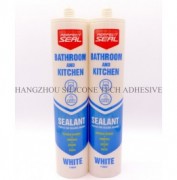
Protecting Bathroom Sealant for 24 Hours After Application: Essential Tips for Long-Lasting Results Applying sealant in your bathroom is a critical step in preventing water damage, mold growth, and structural issues. However, the first 24 hours after application are equally important, as the sealant needs time to cure properly. During this period, improper handling or...
Views: 766 Dec 23 , 2025
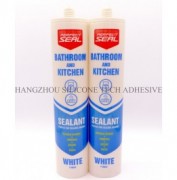
Accelerating Sealant Curing in High-Humidity Environments High humidity can significantly impact the curing process of sealants, often causing them to cure faster than intended or develop surface defects like bubbling, cracking, or uneven texture. While some sealants are formulated to perform well in moist conditions, others may require adjustments to achieve optimal...
Views: 361 Dec 21 , 2025
Protecting Bathroom Sealant from Sun Damage During Summer Applications Applying sealant in a bathroom during summer comes with unique challenges, particularly when it comes to managing exposure to intense sunlight and heat. High temperatures and direct UV rays can accelerate curing, cause cracking, or weaken adhesion, leading to premature sealant failure. Understanding...

Views: 489 Dec 21 , 2025
Ensuring Proper Temperature for Winter Bathroom Sealant Application Applying sealant in a bathroom during winter requires careful attention to temperature conditions to achieve a durable, waterproof finish. Cold weather can affect the curing process, adhesion, and overall performance of sealants, leading to cracks, poor bonding, or mold growth. Understanding how to...
Views: 575 Dec 21 , 2025
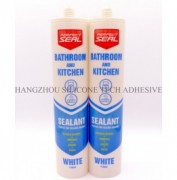
The Critical Link Between Bathroom Sealant Thickness and Waterproofing Performance Bathroom sealants play a vital role in preventing water damage, mold growth, and structural deterioration by creating watertight joints around sinks, showers, tiles, and fixtures. However, the effectiveness of these sealants hinges on proper application thickness. Too thin, and they fail...
Views: 479 Dec 20 , 2025
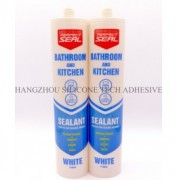
Enhancing Sealant Adhesion on Different Surface Materials: A Practical Guide Achieving strong, long-lasting adhesion between sealants and diverse surface materials is critical for bathroom renovations, kitchen installations, and exterior waterproofing projects. Poor adhesion leads to premature failure, leaks, and costly repairs. Below are actionable strategies to...
Views: 412 Dec 20 , 2025
Essential Tips for Aligning Sealant Joints in Bathroom Projects Achieving perfectly aligned sealant joints in bathrooms requires attention to detail and strategic planning. Whether sealing gaps around tiles, fixtures, or corners, misaligned joints can compromise both aesthetics and functionality. Below are practical techniques to ensure clean, professional-looking...
Copyright 2019 by Hangzhou Silicone Tech Adhesive Co., Ltd. All rights reserved.
Bathroom Sealant | Acrylic Sealant | Dow Corning 795 | Aquarium Sealant | Dow Corning 732 | Clear Silicone Sealant | Polysulfide Sealant | Glazing Sealant | Mirror Sealant | IG Sealant
Powered by Onepound


