E-mail:
sales@silicone-sealant-china.com

After applying sealant in various areas of your home, such as around bathroom fixtures, kitchen countertops, or windows, it's crucial to take proper protective measures. The newly applied sealant is in a vulnerable state during the curing process, and any bumps or scratches can ruin its appearance and compromise its functionality. Here's a detailed guide on how to safeguard your sealed surfaces.
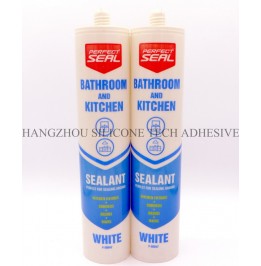
When sealant is first applied, it's in a soft and malleable state. This is because it needs time to cure and harden, reaching its full strength and durability. During this curing period, which can vary depending on the type of sealant and environmental conditions, the sealant is highly susceptible to damage.
The curing process of sealant involves a chemical reaction that transforms it from a liquid or paste-like consistency to a solid, rubbery, or rigid material. This process can take anywhere from a few hours to several days. During this time, the sealant is not yet fully set, and any external force, no matter how small, can cause it to deform, creating an uneven or unsightly surface. For example, if you accidentally bump a freshly sealed joint in your bathroom, it may leave a dent or a mark that will be difficult to repair later.
Damage to fresh sealant can have several negative consequences. Aesthetically, it can ruin the smooth and uniform appearance of the sealed area, making it look unprofessional and unkempt. Functionally, scratches or bumps can create weak points in the seal, allowing moisture, air, or other substances to penetrate. This can lead to issues such as water damage, mold growth, or reduced energy efficiency, depending on the location of the sealed area. For instance, a damaged seal around a window can let in drafts, increasing your heating or cooling costs.
One of the most effective ways to protect fresh sealant from bumps and scratches is by creating a physical barrier around the sealed area. This barrier acts as a shield, preventing accidental contact with the vulnerable sealant.
For smaller sealed areas, such as joints around sinks or faucets, you can use temporary covers or shields. These can be made from materials like plastic wrap, aluminum foil, or cardboard. Simply cut the material to the appropriate size and shape, and place it over the sealed area. Make sure it's securely in place to prevent it from shifting or falling off. For example, if you've sealed the gap between your kitchen countertop and the backsplash, you can cover it with a piece of plastic wrap to protect it from splatters and accidental bumps while cooking.
For larger sealed areas, such as floors or walls that have been sealed along edges or joints, you may need to install more substantial protective barriers. This could involve using wooden boards, plywood sheets, or even specialized protective panels. Place these barriers around the sealed area, ensuring they're firmly anchored to the ground or wall to prevent movement. For instance, if you've sealed the edges of a newly installed tile floor, you can place wooden boards along the perimeter to protect the sealant from being scratched by furniture legs or foot traffic.
Another important step in protecting fresh sealant is to limit activity in the area where it has been applied. This reduces the likelihood of accidental contact and damage during the curing process.
If the sealed area is on the floor, such as in a bathroom or entryway, it's essential to restrict foot traffic as much as possible. Place signs or cones around the area to alert family members or guests to avoid walking on it. If possible, create an alternative path or use a temporary walkway made of materials like cardboard or old rugs to divert traffic away from the sealed area. For example, if you've sealed the grout lines in your bathroom floor, you can place a large piece of cardboard over the sealed section and ask everyone to use a different part of the bathroom until the sealant has cured.
In areas where the sealant has been applied around fixtures or furniture, avoid placing heavy objects on or near the sealed area. The weight of these objects can put pressure on the fresh sealant, causing it to deform or crack. For example, if you've sealed the gap between a bookshelf and the wall, don't stack heavy books or boxes on the shelf until the sealant has fully cured. Instead, wait until the sealant is strong enough to withstand the weight without any issues.
Even with the best protective measures in place, it's still important to regularly inspect the sealed area during the curing process. This allows you to identify any potential issues early on and take corrective action before they become more serious.
Periodically check the sealed area for signs of damage, such as scratches, dents, or cracks. Look closely at the surface of the sealant to ensure it's smooth and uniform. If you notice any imperfections, assess the severity of the damage. Minor scratches may not require immediate repair, but larger dents or cracks should be addressed as soon as possible to prevent further deterioration. For example, if you find a small scratch on the sealant around your window frame, you can gently smooth it out with your finger or a soft cloth. However, if there's a large crack, you may need to reapply sealant to that section.
If you notice that your protective measures are not working effectively, make the necessary adjustments. For example, if the temporary cover you placed over a sealed area keeps shifting or falling off, try using a different type of material or securing it more tightly. If the protective barrier you installed is not providing enough coverage, consider adding additional support or extending its size. Regularly evaluating and improving your protective measures will help ensure that the fresh sealant remains undamaged throughout the curing process.
By understanding the vulnerability of fresh sealant, creating physical barriers, limiting activity in the sealed area, and conducting regular inspections and maintenance, you can effectively protect your sealed surfaces from bumps and scratches. This will help ensure that the sealant performs its intended function and maintains its aesthetic appeal for years to come.
Copyright 2019 by Hangzhou Silicone Tech Adhesive Co., Ltd. All rights reserved.
Bathroom Sealant | Acrylic Sealant | Dow Corning 795 | Aquarium Sealant | Dow Corning 732 | Clear Silicone Sealant | Polysulfide Sealant | Glazing Sealant | Mirror Sealant | IG Sealant
Powered by Onepound


