E-mail:
sales@silicone-sealant-china.com

The timing of waterproof testing after sealant application depends heavily on the material’s curing process. Most sealants go through distinct phases: initial skin formation, partial curing, and full hardening. During the first few hours, a thin surface layer develops, creating a temporary barrier against light moisture. However, this doesn’t mean the sealant is fully waterproof. Testing too early risks damaging the uncured interior, leading to leaks that may not surface immediately but compromise long-term durability.
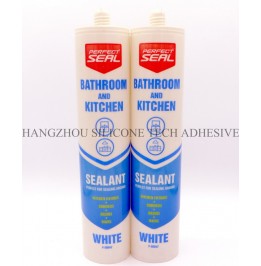
Partial curing occurs over the next 24–48 hours, depending on environmental conditions like temperature and humidity. At this stage, the sealant gains enough strength to withstand gentle water exposure, but heavy pressure or prolonged submersion could still cause failure. Full curing, which ensures maximum waterproofing, might take anywhere from 7 to 28 days for silicone-based or polyurethane sealants. Rushing tests before this period often results in false negatives, where leaks appear later due to incomplete bonding.
Manufacturers typically provide curing time guidelines, but these are based on ideal laboratory conditions. Real-world factors like ventilation, surface material, and application thickness can alter drying rates. For example, sealants applied in cold or damp environments may take twice as long to cure as those in warm, dry settings. Always adjust testing schedules based on observed drying progress rather than strict timelines.
The chemical composition of sealants influences their waterproofing readiness. Silicone-based sealants, commonly used in bathrooms and kitchens, cure through a chemical reaction that forms flexible, waterproof bonds. These usually require 24–72 hours before light water exposure and up to 7 days for full immersion testing. Polyurethane sealants, often used outdoors or in high-movement areas, cure through moisture absorption and may need 3–5 days before testing, with full hardening taking 2–4 weeks.
Acrylic sealants, which are water-based and easier to apply, dry faster but offer less flexibility. Light testing might be possible after 12–24 hours, but heavy water exposure should wait 3–5 days. Hybrid sealants, combining properties of silicone and polyurethane, fall in between, with testing typically safe after 48–72 hours. Always check the manufacturer’s instructions, as formulations vary widely even within the same category.
Environmental adjustments are crucial. In humid climates, add 12–24 hours to curing times for all sealant types. In dry or cold conditions, extend timelines by 50% or more. For example, a silicone sealant rated for 48-hour curing might need 72 hours in a basement with poor ventilation. Use a moisture meter to verify surface dryness before testing, aiming for readings below 15% for most applications.
Before full-scale waterproof testing, perform a light moisture check to assess early adhesion. This involves sprinkling water droplets onto the sealed joint using a clean spray bottle. Observe how the water behaves: if it beads up and rolls off without penetrating, the surface skin has formed properly. If the water absorbs or leaves dark spots, the sealant isn’t ready for heavier testing. Repeat this check every 12 hours until consistent beading occurs.
For horizontal surfaces like countertops or shower trays, place a paper towel over the sealed area and lightly mist it with water. Wait 30 minutes, then check for dampness underneath. No moisture transfer indicates the sealant is repelling water effectively. For vertical joints, such as those around sinks or bathtubs, run a finger along the bead after misting. If the sealant feels tacky or deforms, it needs more curing time.
These light tests help identify weak spots without risking major water damage. Focus on high-stress areas like corners, edges, and joints between different materials. If any section fails the initial check, reapply sealant to those areas and restart the curing process. Document testing results with photos or notes to track progress over time.
Once initial tests pass, move to full waterproof validation using methods that simulate real-world use. For shower enclosures, fill the tray with 2–3 cm of water and let it sit for 24 hours. Check for leaks around the base, drain, and tile joints. For kitchen backsplashes, run a steady stream of water along the sealed edge for 5–10 minutes, then inspect for seepage. Outdoor applications, like deck sealants, may require hose testing from multiple angles to mimic rain exposure.
During full testing, monitor both visible and hidden areas. Use a flashlight to check for moisture behind tiles or under cabinets. Press gently on the sealed joint to feel for soft spots, which could indicate incomplete curing. If leaks appear, mark the location and allow the sealant to dry completely before reapplying. Avoid patching over wet areas, as trapped moisture leads to mold growth and further adhesion issues.
Repeat full tests after major temperature changes or seasonal shifts, as expansion and contraction can weaken seals over time. For critical areas like roof penetrations or basement walls, consider annual re-testing as part of routine maintenance. Document all testing dates and results to establish a reliability timeline for the sealant application.
Copyright 2019 by Hangzhou Silicone Tech Adhesive Co., Ltd. All rights reserved.
Bathroom Sealant | Acrylic Sealant | Dow Corning 795 | Aquarium Sealant | Dow Corning 732 | Clear Silicone Sealant | Polysulfide Sealant | Glazing Sealant | Mirror Sealant | IG Sealant
Powered by Onepound


