E-mail:
sales@silicone-sealant-china.com

The success of multi-layer sealant applications hinges on proper curing between each layer. Sealants rely on chemical reactions or moisture absorption to harden, and applying a new layer too soon disrupts this process. Under-cured material may not bond effectively to the subsequent layer, leading to weak joints prone to cracking or peeling under stress. Conversely, waiting too long between layers can cause the first layer to fully harden, reducing its ability to chemically bond with the next application.
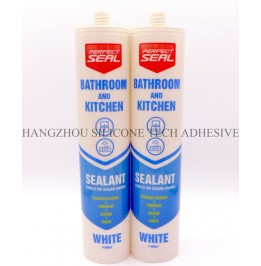
Each sealant type has unique curing mechanisms. Silicone-based sealants cure through a cross-linking reaction triggered by atmospheric moisture, while polyurethane varieties rely on both moisture and heat. Acrylic sealants dry through water evaporation, making their curing times highly sensitive to environmental humidity. Understanding these differences helps determine optimal intervals. For example, a silicone layer might need 12–24 hours before recoating, whereas a polyurethane layer could require 24–48 hours under similar conditions.
Environmental factors like temperature and humidity play critical roles. High humidity accelerates moisture-cured sealants but may slow evaporation-based ones. Cold temperatures delay chemical reactions, extending curing times by 50% or more. Always adjust intervals based on real-time conditions rather than relying solely on manufacturer guidelines, which assume ideal laboratory settings. Use a hygrometer and thermometer to monitor workspace conditions and adapt schedules accordingly.
The first recoating interval begins after applying the base layer. For most sealants, this window starts when the surface develops a tack-free skin. This skin indicates that the outer layer has cured enough to resist minor abrasions but remains soft underneath. Test for tackiness by lightly pressing a finger onto the sealant; if no residue sticks, the surface is ready for the next layer. This usually occurs within 2–6 hours for fast-curing materials like acrylics and 6–12 hours for silicone or polyurethane blends.
Visual cues also help identify recoating readiness. A uniformly colored, smooth surface without visible cracks or shrinkage signals proper initial curing. If the sealant appears glossy or wet in spots, it needs more time. For vertical applications, check for sagging or uneven flow, which indicate insufficient curing. Use a small spatula to gently probe the edge of the sealant; if it holds its shape without deforming, proceed with the next layer.
Adjust intervals based on application thickness. Thicker beads take longer to cure than thin, even applications. For example, a 10mm-wide sealant layer might need double the recoating time of a 5mm layer. When working with multiple layers of varying thicknesses, prioritize the thickest section’s curing timeline to ensure uniform adhesion across the entire joint.
After the initial recoating, subsequent layers require different timing considerations. The second layer’s curing process interacts with the first, creating a composite bond that’s stronger than individual applications. However, this bond forms only if the first layer is partially cured—not fully hardened. Aim for a “green strength” phase, where the first layer is firm enough to support the next but still chemically receptive. This typically occurs 12–36 hours after the first application, depending on material and conditions.
For three or more layers, extend intervals slightly to allow each layer to stabilize. The third layer might need an additional 6–12 hours beyond the second layer’s recoating window. Avoid rushing this process, as premature applications can trap solvents or moisture between layers, weakening the overall structure. Use a moisture meter to verify that the first layer’s interior moisture content has dropped below 10% before adding more material.
In high-humidity environments, reduce intervals by 25–50% for moisture-cured sealants, as excess atmospheric moisture accelerates bonding. In dry climates, increase intervals by the same margin to prevent rapid surface curing that inhibits adhesion. For projects spanning multiple days, cover partially cured sealants with plastic sheeting to protect them from dust or debris while maintaining controlled curing conditions.
Before applying each new layer, perform quick tests to confirm proper curing. The “fingernail test” involves pressing a fingernail gently into the sealant’s edge. If it leaves an indentation, the material is too soft; if it resists without cracking, the layer is ready. For horizontal surfaces, place a small weight (like a coin) on the sealant and observe for sinking or deformation over 5–10 minutes. No movement indicates sufficient curing.
Chemical adhesion tests provide more precise results. Apply a thin strip of masking tape to the cured layer and remove it sharply. If the tape pulls away cleanly without dislodging sealant fragments, the bond is strong enough for recoating. For critical applications, use a pull-off adhesion tester to measure the bond strength between layers, aiming for values above 1.5 MPa for most structural joints.
Environmental verification is equally important. Check that temperature and humidity remain within the sealant’s recommended range during curing. If conditions fluctuate, pause the project until stability returns. Document testing results and environmental data for each layer to troubleshoot any future adhesion issues and refine timing strategies for future projects.
Copyright 2019 by Hangzhou Silicone Tech Adhesive Co., Ltd. All rights reserved.
Bathroom Sealant | Acrylic Sealant | Dow Corning 795 | Aquarium Sealant | Dow Corning 732 | Clear Silicone Sealant | Polysulfide Sealant | Glazing Sealant | Mirror Sealant | IG Sealant
Powered by Onepound


