E-mail:
sales@silicone-sealant-china.com

The success of linking bathroom sealants with waterproof coatings depends on their chemical and physical compatibility. Sealants, typically silicone or polyurethane-based, form flexible, waterproof barriers in joints and gaps, while waterproof coatings create rigid, protective layers on surfaces like walls and floors. Combining these materials requires ensuring they adhere properly without compromising flexibility or water resistance.
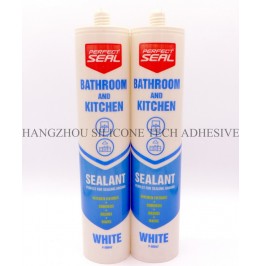
Chemical incompatibility often leads to peeling, cracking, or mold growth at the interface. For example, solvent-based coatings may degrade silicone sealants over time, while water-based coatings might not bond well to oil-based sealants. Always check manufacturer guidelines for compatibility warnings, even if both products claim to be “waterproof.” Test a small, inconspicuous area before full application to observe any adverse reactions like bubbling, discoloration, or adhesion failure.
Physical properties also matter. Sealants expand and contract with temperature changes, while coatings remain rigid. This difference can create stress at the junction, leading to cracks if not managed. Choose materials with similar elongation properties or use transition layers, like primer or mesh tape, to bridge the gap. For high-movement areas like shower corners, prioritize sealants with high flexibility ratings to accommodate joint movement without affecting the coating.
Proper surface preparation is critical for ensuring sealants and coatings bond effectively. Start by cleaning all surfaces thoroughly to remove dirt, soap scum, and old sealant residue. Use a non-abrasive cleaner and a scrub brush, then rinse with clean water and let the area dry completely. Moisture trapped between layers causes adhesion failure and mold growth, so allow at least 24 hours of drying time in humid environments.
Next, roughen smooth surfaces like ceramic tiles or glossy paint to improve mechanical grip. Lightly sand the area with fine-grit sandpaper or use a chemical etcher designed for the material. Wipe away dust with a damp cloth and let it dry again. For porous surfaces like concrete or plaster, apply a primer to seal the pores and create a uniform base for both the sealant and coating.
Mask adjacent areas to protect them from overspray or accidental application. Use painter’s tape to create clean edges, especially when working near fixtures or glass. Ensure the tape adheres firmly without leaving residue, as loose edges can allow materials to seep underneath, creating uneven finishes. Remove the tape immediately after applying the sealant or coating, before it dries, to avoid pulling up fresh material.
When integrating sealants with coatings, apply the sealant first to joints and gaps before coating the surrounding surfaces. This sequence ensures the sealant forms a continuous waterproof barrier in vulnerable areas like corners, edges, and fixture bases. Use a caulking gun to apply a consistent bead of sealant, maintaining a 45-degree angle to the joint for proper penetration.
Tool the sealant with a caulk smoothing tool or a damp finger to create a concave shape that sheds water effectively. Avoid over-tooling, which can thin the sealant and reduce its waterproofing capabilities. Let the sealant cure partially—usually 2–4 hours, depending on environmental conditions—until it forms a tack-free skin. This skin prevents the coating from seeping into the sealant and altering its composition.
Apply the waterproof coating over the sealed area, extending it slightly beyond the joint to ensure full coverage. Use a brush or roller for even application, avoiding heavy buildup that could crack as it dries. If the coating is spray-applied, hold the nozzle at a consistent distance to prevent uneven thickness. Allow the coating to dry according to the manufacturer’s instructions, typically 24–48 hours, before exposing it to water or heavy use.
The junction between coating and sealant is prone to weaknesses if not handled carefully. One common issue is “picture framing,” where the coating shrinks away from the sealant, leaving a visible gap. This occurs when the coating dries too quickly or the sealant isn’t fully cured before coating. To prevent this, apply the coating in thin, even layers and avoid working in direct sunlight or high temperatures, which accelerate drying.
Another challenge is cracking at the joint due to differential movement. Mitigate this by using a flexible sealant with high elongation properties, especially in areas subject to frequent temperature changes or structural settling. For extra reinforcement, embed a strip of alkali-resistant mesh tape into the sealant before it cures, creating a bridge between the coating and sealant that distributes stress evenly.
If cracks or gaps appear after application, repair them promptly to prevent water infiltration. Clean the area thoroughly, remove any loose material, and reapply sealant using the same techniques as before. For small cracks in the coating, touch up with a matching paint or coating material, blending it seamlessly with the surrounding area. Monitor repaired sections closely for signs of recurring issues, which may indicate deeper compatibility or application problems.
Copyright 2019 by Hangzhou Silicone Tech Adhesive Co., Ltd. All rights reserved.
Bathroom Sealant | Acrylic Sealant | Dow Corning 795 | Aquarium Sealant | Dow Corning 732 | Clear Silicone Sealant | Polysulfide Sealant | Glazing Sealant | Mirror Sealant | IG Sealant
Powered by Onepound


