E-mail:
sales@silicone-sealant-china.com

Sealing the base of a metal faucet is essential to prevent water damage, mold growth, and costly repairs. Whether installing a new fixture or addressing existing leaks, proper sealant application ensures a durable, watertight bond. This guide breaks down the process into clear, actionable steps while addressing common challenges and material considerations.
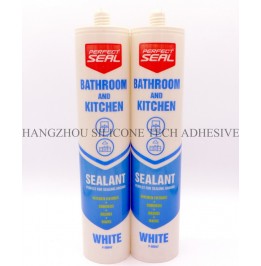
Before applying any sealant, thorough preparation ensures adhesion and longevity. Start by turning off the water supply valves beneath the sink to avoid accidental spills. Next, clean the faucet base and adjacent countertop or sink surface using a mild detergent and warm water. Remove soap residue, grease, or old sealant with a non-abrasive scrubbing pad or plastic scraper. For porous materials like natural stone, avoid harsh chemicals that may cause staining—opt for pH-neutral cleaners instead.
If the faucet includes a rubber gasket, inspect it for cracks or wear. While some modern fixtures rely solely on these gaskets for sealing, others require additional sealant. Always refer to the manufacturer’s instructions to confirm whether supplementary sealing is necessary.
The choice of sealant depends on the fixture’s design, material compatibility, and environmental conditions. Common options include:
Silicone sealants are ideal for high-moisture areas like kitchens and bathrooms due to their waterproof, mold-resistant properties. They remain flexible after curing, accommodating minor movements or thermal expansion. Apply silicone to metal, ceramic, or plastic surfaces, ensuring the gap between the faucet base and countertop is clean and dry.
Plumber’s putty is a pliable, non-hardening compound suited for static, low-pressure seals under faucet flanges or drain components. It’s easy to shape and reposition, making it beginner-friendly. However, avoid using putty with porous materials like marble or granite, as it may leave stains. Additionally, it’s not recommended for pressurized systems, such as threaded water supply lines.
For threaded connections, such as water supply lines beneath the sink, Teflon tape creates a smooth, leak-proof seal. Wrap the tape clockwise around the threads before tightening the connection. This method is inexpensive and effective for metal or plastic fittings but unsuitable for flat surfaces or non-threaded joints.
The application technique varies slightly depending on the sealant type:
Allow the sealant to cure fully before exposing it to water. Silicone sealants typically require 24 hours, while plumber’s putty can withstand immediate use. Check for leaks by turning on the water supply and observing the joint for drips. If leaks persist, reapply the sealant after cleaning the area thoroughly.
Periodically inspect the seal for signs of wear, such as cracking or shrinkage, especially in high-traffic areas. Reapply sealant every few years to maintain a robust barrier against moisture.
By following these steps and selecting the appropriate sealant for your fixture, you’ll ensure a durable, leak-free installation that protects your home from water damage.
Copyright 2019 by Hangzhou Silicone Tech Adhesive Co., Ltd. All rights reserved.
Bathroom Sealant | Acrylic Sealant | Dow Corning 795 | Aquarium Sealant | Dow Corning 732 | Clear Silicone Sealant | Polysulfide Sealant | Glazing Sealant | Mirror Sealant | IG Sealant
Powered by Onepound


