E-mail:
sales@silicone-sealant-china.com

Applying sealant effectively requires precise control over the caulk gun’s pressure to ensure smooth, consistent bead formation. Whether sealing gaps around windows, bathrooms, or construction joints, improper pressure can lead to uneven application, wasted material, or compromised seals. This guide explores techniques to adjust caulk gun pressure for optimal results, covering common challenges and solutions.
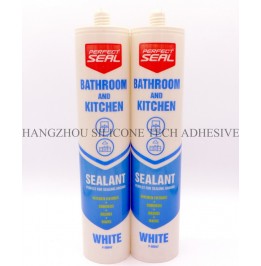
Before adjusting pressure, familiarize yourself with how a manual caulk gun operates. Most models feature a trigger mechanism connected to a plunger rod, which pushes the sealant cartridge forward. The pressure applied depends on how firmly you squeeze the trigger and the gun’s internal design.
Recognizing these signs helps you diagnose and correct pressure problems during application.
The viscosity of the sealant—its thickness or resistance to flow—directly impacts how much pressure is needed.
Thicker sealants, such as silicone or heavy-duty construction adhesives, require more pressure to dispense smoothly. To adjust:
Thinner sealants, like latex or acrylic caulk, flow more easily and require lighter pressure to avoid over-application. To adjust:
Even with the right initial settings, pressure may need adjustment mid-project due to changes in sealant viscosity or ambient temperature.
Sealants behave differently in cold or hot conditions:
If the bead appears uneven:
Avoid these pitfalls to save time and material:
Applying too much force can cause the sealant to burst out, creating a mess and wasting product. Practice a light, controlled grip, and take breaks if your hand tires.
Not all cartridges fit every gun. Ensure the cartridge size matches the gun’s capacity (e.g., 10-ounce vs. 20-ounce) to prevent misalignment or pressure issues.
Residual sealant in the gun’s mechanism can harden, making it harder to adjust pressure later. After use, clean the plunger rod and nozzle with a damp cloth or solvent (if the sealant is solvent-based).
By mastering pressure adjustment techniques, you’ll achieve professional-quality seals with minimal waste. Whether working with thick construction adhesives or thin latex caulk, understanding how to control your caulk gun’s pressure ensures a clean, durable finish every time.
Copyright 2019 by Hangzhou Silicone Tech Adhesive Co., Ltd. All rights reserved.
Bathroom Sealant | Acrylic Sealant | Dow Corning 795 | Aquarium Sealant | Dow Corning 732 | Clear Silicone Sealant | Polysulfide Sealant | Glazing Sealant | Mirror Sealant | IG Sealant
Powered by Onepound


