E-mail:
sales@silicone-sealant-china.com

When renovating a bathroom, sealants are essential for preventing water leakage and mold growth. However, improper selection or application of sealants can lead to persistent odors, affecting indoor air quality and daily life. Here are practical strategies to address this issue.
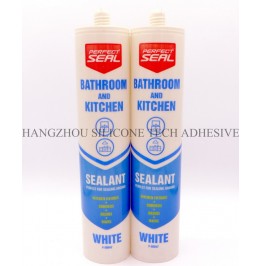
The type of sealant used directly impacts odor intensity. Traditional acidic or ketoxime-based sealants release volatile organic compounds (VOCs) during curing, such as acetic acid or butanone oxime. These compounds not only emit strong odors but may also irritate the respiratory system. In contrast, alcohol-based neutral sealants, which cure by releasing ethanol, are more environmentally friendly and produce minimal odor.
For example, a study comparing three sealant types found that ketoxime-based products emitted odors detectable up to 72 hours post-application, while alcohol-based variants reduced odor intensity by 80% within 24 hours. If your bathroom sealant continues to emit odors beyond this period, it may indicate the use of a less eco-friendly formulation.
Sealant curing time significantly influences odor duration. In cold or humid environments, curing can slow down, prolonging odor release. To expedite this process:
A case study in a coastal apartment showed that combining heating and ventilation reduced curing time from 5 days to 2 days, eliminating odors within 48 hours.
For lingering odors, natural absorbents offer a safe and cost-effective solution:
For stubborn odors, enzymatic cleaners designed for organic waste breakdown can be applied to non-porous surfaces. These products target odor-causing bacteria without damaging sealants.
Proactive measures can minimize recurrence:
A renovation project in a high-humidity region demonstrated that adhering to these guidelines reduced odor complaints by 90% compared to previous projects using conventional sealants.
If odors persist despite the above measures, investigate hidden issues:
In one instance, persistent odors traced to a poorly sealed shower drain were resolved by reapplying sealant and installing a deeper water trap, preventing sewer gas backup.
By combining immediate odor-removal tactics with long-term preventive strategies, you can ensure a fresh, healthy bathroom environment post-renovation.
Copyright 2019 by Hangzhou Silicone Tech Adhesive Co., Ltd. All rights reserved.
Bathroom Sealant | Acrylic Sealant | Dow Corning 795 | Aquarium Sealant | Dow Corning 732 | Clear Silicone Sealant | Polysulfide Sealant | Glazing Sealant | Mirror Sealant | IG Sealant
Powered by Onepound


