E-mail:
sales@silicone-sealant-china.com

Sealants are indispensable for creating waterproof barriers in bathrooms, kitchens, and other high-moisture areas. However, improper handling during and after application can lead to dust settling on uncured surfaces, compromising adhesion and aesthetics. Here’s how to protect your sealant from dust pollution effectively.
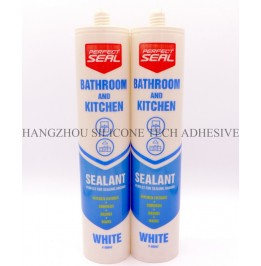
Dust contamination often stems from uncontrolled airflow or nearby construction activities. To minimize risks:
Close doors and windows to prevent outdoor dust from entering. Use plastic sheeting or drop cloths to seal off adjacent rooms, especially if renovations are ongoing elsewhere. For example, covering doorways with temporary barriers can reduce airborne particles by up to 70% during application.
Avoid applying sealants when household members are moving frequently or when vacuuming/cleaning occurs nearby. Early mornings or late evenings, when foot traffic is minimal, are ideal. In commercial settings, coordinate with contractors to ensure sealant application aligns with off-peak hours.
Portable HEPA air purifiers placed near the work area can capture dust particles as small as 0.3 microns. Ensure the purifier’s CADR (Clean Air Delivery Rate) matches the room size for optimal efficiency. Alternatively, attach fine-mesh filters to exhaust fans to trap dust before it circulates.
A study in a residential renovation project found that combining area isolation with air purification reduced dust settlement on fresh sealant by 85% compared to uncontrolled environments.
Even in controlled settings, residual dust can settle on sealant during curing. Implement these safeguards:
For horizontal surfaces like countertops or shower trays, lay lightweight, non-stick materials such as parchment paper or silicone sheets over the sealant. These covers prevent dust adhesion while allowing air circulation for proper curing. Avoid plastic wraps, which may trap moisture and prolong drying time.
Dust is attracted to static charges, which uncured sealants can generate. Lightly misting the surrounding area with an anti-static solution (diluted fabric softener in water works as a DIY alternative) reduces particle attraction. Test the spray on a small section first to ensure compatibility with the sealant.
Place warning signs or barriers around freshly sealed zones to discourage foot traffic. If pets or children are present, confine them to separate rooms until the sealant cures. In shared spaces like offices, schedule applications during weekends or holidays to minimize disruption.
In a school bathroom renovation, restricting access for 48 hours post-application resulted in a 90% reduction in visible dust marks compared to areas with unrestricted movement.
Even with precautions, minor dust settlement may occur. Address it promptly to maintain sealant integrity:
Wait until the sealant reaches a “tack-free” stage (usually 2–4 hours after application) before cleaning. Use a soft-bristled brush or a microfiber cloth to gently sweep away dust. Avoid abrasive tools like steel wool, which can scratch the surface and disrupt curing.
For stubborn particles, lightly dampen a microfiber cloth with water (avoid soaking it) and wipe in one direction. Do not use solvents or harsh chemicals, as they may degrade the sealant. If necessary, dilute mild dish soap in water for greasy dust, but rinse thoroughly afterward.
Inspect sealed joints daily during the first week for dust accumulation or imperfections. Early detection allows for minor touch-ups before dust becomes embedded. In high-traffic areas, schedule weekly checks to ensure long-term durability.
A hospital renovation team reported that daily inspections combined with gentle cleaning maintained sealant clarity for over six months, even in dusty construction environments.
Prevent future dust issues by addressing root causes:
Ensure exhaust fans vent outdoors rather than recycling air indoors. Install louvered vents or air grilles to direct airflow away from sealed surfaces. In ductless systems, use carbon filters to trap fine particles before they enter living spaces.
Dust often enters through tiny openings around windows, doors, or utility penetrations. Use weatherstripping or caulk to seal these gaps, reducing infiltration by up to 50%. Pay special attention to areas near sealant-applied zones to create a cohesive barrier.
Vacuum carpets, rugs, and upholstery weekly using a HEPA-filtered vacuum to reduce airborne dust levels. Mop hard floors with a damp mop to capture residual particles. In industrial settings, consider professional air duct cleaning every 1–2 years to maintain optimal air quality.
By integrating these environmental controls, surface protections, and maintenance practices, you can ensure your sealant remains clean, durable, and visually appealing long after application.
Copyright 2019 by Hangzhou Silicone Tech Adhesive Co., Ltd. All rights reserved.
Bathroom Sealant | Acrylic Sealant | Dow Corning 795 | Aquarium Sealant | Dow Corning 732 | Clear Silicone Sealant | Polysulfide Sealant | Glazing Sealant | Mirror Sealant | IG Sealant
Powered by Onepound


