E-mail:
sales@silicone-sealant-china.com

Humidity plays a critical role in determining how well bathroom sealants adhere and cure. High moisture levels in the air can interfere with the chemical curing process of many sealant types, leading to prolonged drying times or incomplete hardening. This creates vulnerabilities where water can penetrate, causing mold growth or structural damage over time. Conversely, extremely low humidity might cause the sealant to cure too quickly, resulting in a brittle finish that cracks easily under normal bathroom use.
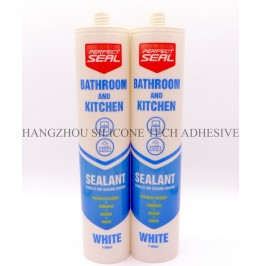
The ideal humidity range for most bathroom sealant applications falls between 40% and 60%. Within this window, the sealant maintains its workability long enough for proper shaping while still achieving optimal hardness during curing. When humidity exceeds 70%, the risk of adhesion failures increases significantly, especially in areas with poor ventilation like enclosed shower stalls or behind bathroom vanities. In dry climates with humidity below 30%, sealants may develop surface cracks or shrinkage, compromising their waterproofing capabilities.
Before starting any bathroom sealing project, measuring ambient humidity is essential. Use a digital hygrometer placed at the center of the work area for accurate readings. Position the device away from direct water sources or heating elements to avoid skewed measurements. For multi-room bathrooms, take readings in each section, as humidity can vary between shower zones and dry areas near sinks or toilets.
If humidity levels fall outside the recommended 40–60% range, consider implementing temporary environmental controls. In humid environments, increase airflow using portable fans or open windows if outdoor conditions permit. Dehumidifiers work well in enclosed spaces, but ensure proper drainage to prevent water accumulation during operation. For dry conditions, use a humidifier to raise moisture levels gradually, avoiding sudden spikes that could shock the sealant material.
Timing your application based on natural humidity cycles can also improve results. In coastal regions, morning humidity tends to be lower before daily temperature rises trigger moisture buildup. Inland areas might experience more stable humidity patterns throughout the day. Monitor local weather forecasts to identify the driest periods for sealing projects, especially when working with moisture-sensitive materials like silicone-based sealants.
When working in bathrooms with consistently high humidity, several application adjustments can help maintain sealant quality. First, reduce the amount of sealant exposed to air at any given time by working in smaller sections. This minimizes the surface area vulnerable to moisture absorption before curing begins. Use a caulking gun with precise flow control to apply thin, even beads rather than thick layers that take longer to dry.
Tooling the sealant immediately after application becomes even more crucial in humid conditions. Smooth the bead with a wet finger or plastic spatula dipped in soapy water to create a tight seal against both surfaces. The soap reduces friction, allowing for cleaner shaping without pulling the material away from joints. Work quickly but carefully, as excess moisture in the air can cause the sealant to skin over faster than usual, making reshaping difficult.
Post-application curing requires enhanced ventilation in humid bathrooms. Leave windows open if possible, or use exhaust fans continuously during the first 24–48 hours. Avoid closing doors to adjacent rooms, as this traps moist air around the freshly applied sealant. For enclosed shower enclosures, place a small fan inside to circulate air without directly blowing on the sealant, which could create uneven drying patterns.
Dry bathroom environments present different challenges for sealant application. The rapid evaporation of moisture from the material can lead to premature curing, resulting in a rough, porous surface that fails to repel water effectively. To combat this, mist the joint area lightly with water using a spray bottle before applying sealant. This creates a micro-environment with balanced moisture levels that supports proper curing.
When tooling sealant in dry conditions, use a damp cloth instead of soapy water to shape the bead. The cloth should be wrung out thoroughly to avoid introducing excess moisture that could dilute the sealant. Apply gentle, consistent pressure to create a smooth finish without pressing too hard, which might displace the material. Check for any dry spots during tooling and re-mist as needed to maintain workability.
Curing in low-humidity bathrooms requires protecting the sealant from rapid moisture loss. Cover freshly applied material with plastic sheeting or painter’s tape for the first 12 hours, leaving small gaps at the edges for controlled air exchange. This creates a greenhouse effect that retains enough moisture for proper curing while preventing the surface from drying out completely. Remove the covers gradually over the next 24 hours to acclimate the sealant to normal bathroom conditions.
Copyright 2019 by Hangzhou Silicone Tech Adhesive Co., Ltd. All rights reserved.
Bathroom Sealant | Acrylic Sealant | Dow Corning 795 | Aquarium Sealant | Dow Corning 732 | Clear Silicone Sealant | Polysulfide Sealant | Glazing Sealant | Mirror Sealant | IG Sealant
Powered by Onepound


