E-mail:
sales@silicone-sealant-china.com

Before applying sealant to curved glass joints, thorough surface preparation is critical. Begin by cleaning the joint area with a mild detergent solution to remove dust, oil, and other contaminants. For persistent residues, use solvent-based cleaners like acetone or isopropyl alcohol, followed by a clean, lint-free cloth to ensure complete dryness.
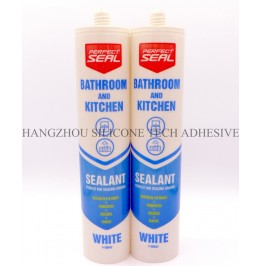
In architectural applications such as curved glass curved glass curtain walls, the joint width and depth must align with design specifications. A minimum depth of 6–10 mm is typically recommended to ensure sufficient sealant volume for structural integrity. For automotive glass installations, verify that the glass curvature matches the frame precisely to prevent stress concentrations that could compromise adhesion.
Masking adjacent surfaces with plastic tape is essential to maintain clean lines. Position the tape 1–2 mm away from the joint edge to create a defined boundary for sealant application. This step is particularly important in visible areas like showroom displays or vehicle windshields, where aesthetic precision is paramount.
The choice of application tool depends on joint geometry and sealant viscosity. For narrow, deep joints in curved architectural glass, use a pneumatic caulking gun with a 45-degree angled nozzle to ensure consistent pressure and flow. In automotive applications, manual caulking guns with precision tips are preferred for accessing tight corners around curved windshields.
When filling the joint, maintain a steady 45-degree angle between the nozzle and substrate. This angle facilitates proper sealant wetting of both glass and frame surfaces. For wide joints (>15 mm), apply the sealant in multiple passes to avoid air entrapment. In curved glass curtain walls, a two-person team—one inside and one outside the structure—can synchronize application to ensure uniform thickness.
After filling, immediately shape the sealant bead using a plastic spatula or silicone tool. For concave joints, apply gentle pressure to create a slightly convex profile that sheds water effectively. In automotive glass installations, use a rounded tool to match the factory-applied bead shape, ensuring compatibility with existing sealing systems.
Curing conditions significantly impact sealant performance. Maintain ambient temperatures between 10–35°C and relative humidity below 70% during the initial 24-hour curing period. In cold climates, use portable heaters to accelerate curing, while in humid environments, dehumidifiers prevent moisture-related adhesion issues.
After the initial surface skin forms (typically 10–30 minutes), inspect the joint for voids or irregularities. Use a sharp utility knife to trim excess sealant flush with the masking tape, then carefully remove the tape at a 45-degree angle to avoid pulling the bead. For automotive applications, check for proper adhesion to both glass and frame using a pull-off test with a manual adhesion tester.
Final inspection should include a water test for exterior joints. In architectural projects, spray water at a 45-degree angle for 15 minutes to verify waterproofing. For vehicle windshields, use a misting system to simulate driving rain conditions. Any leaks must be addressed immediately by reapplying sealant after thorough surface re-preparation.
In seismic-resistant curved glass curtain walls, select sealants with high elastic recovery (>80%) to accommodate building movement. These products must pass dynamic load testing per ASTM C1193 standards. For automotive glass, ensure compatibility with existing adhesive systems by conducting cross-linking tests with factory-applied primers.
When working with laminated safety glass, avoid applying excessive pressure during tooling to prevent delamination. Use low-modulus sealants (0.2–0.4 MPa) to accommodate thermal expansion differences between glass and metal frames. In high-rise applications, schedule sealant replacement every 10–15 years based on UV exposure levels measured with dosimeters.
For heritage conservation projects involving historic curved glass, document all material specifications and application methods. Use reversible sealants that can be removed without damaging original substrates. In museum display cases, opt for low-VOC formulations to protect sensitive artifacts from off-gassing.
Copyright 2019 by Hangzhou Silicone Tech Adhesive Co., Ltd. All rights reserved.
Bathroom Sealant | Acrylic Sealant | Dow Corning 795 | Aquarium Sealant | Dow Corning 732 | Clear Silicone Sealant | Polysulfide Sealant | Glazing Sealant | Mirror Sealant | IG Sealant
Powered by Onepound


