E-mail:
sales@silicone-sealant-china.com

When novices take on the task of applying sealant in the bathroom, a range of issues can crop up. These problems, if not addressed promptly, can lead to an ineffective seal, water damage, and an unsightly finish. Here's a detailed guide to help beginners troubleshoot common bathroom sealant application problems.
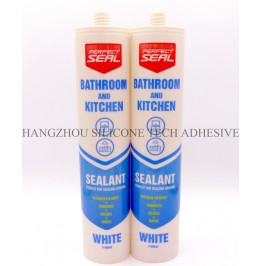
One of the most noticeable issues for beginners is an uneven application of the sealant. This can result in a wavy or lumpy appearance along the sealed joint, detracting from the overall aesthetic of the bathroom.
A major cause of uneven application is using the wrong tool or not using it properly. Many beginners may not be familiar with the caulking gun, which is commonly used to apply sealant. If the trigger is squeezed too hard or too softly, the flow of sealant can be inconsistent, leading to uneven lines. Additionally, not holding the caulking gun at the correct angle can also cause problems. The nozzle should be held at a 45 - degree angle to the joint for a smooth application. To fix this, practice using the caulking gun on a scrap piece of material before starting on the actual bathroom project. Focus on maintaining a steady hand and applying consistent pressure on the trigger.
Another factor contributing to uneven application is inadequate preparation of the joint. If the surface is not clean, dry, and free of old sealant, dust, or grease, the new sealant may not adhere properly. This can cause it to bunch up or spread unevenly. Before applying the sealant, thoroughly clean the joint with a suitable cleaner and allow it to dry completely. Use a scraper or sandpaper to remove any old, loose sealant. A smooth, clean surface will provide a better base for the new sealant, resulting in a more even application.
Air bubbles trapped within the sealant can weaken the seal and create an unattractive finish. These bubbles can form during the application process and are a common headache for beginners.
Applying the sealant too quickly can introduce air into the mixture. When the sealant is forced out of the caulking gun at a high speed, air can get mixed in, especially if the nozzle is not properly sized for the job. To avoid this, apply the sealant slowly and steadily. Take your time to ensure a smooth flow, and adjust the nozzle size if necessary to match the width of the joint. A smaller nozzle may be more suitable for narrow joints, reducing the risk of air entrapment.
Tooling is the process of smoothing the sealant after application using a tool such as a sealant smoothing tool or a wet finger. If tooling is not done correctly or is skipped altogether, air bubbles may remain trapped in the sealant. After applying the sealant, use a suitable tool to gently smooth the surface. Dip the tool in a solution of water and a small amount of dish soap to prevent the sealant from sticking. Work in a continuous motion along the joint, applying light pressure to push out any air bubbles and create a smooth, even finish.
A sealant that doesn't adhere well to the surfaces it's applied to is a serious problem as it can lead to water leakage and damage to the bathroom structure.
Different types of surfaces in the bathroom, such as tiles, porcelain, and metal, may have different properties that affect sealant adhesion. Some surfaces may be too smooth or have a non - porous nature, making it difficult for the sealant to bond. In such cases, the surface may need to be roughened up slightly using sandpaper to create a better key for the sealant. Additionally, certain surfaces may require a primer to improve adhesion. Check the manufacturer's instructions to see if a primer is recommended for the specific surfaces you're working with.
Environmental conditions can also impact sealant adhesion. High humidity or low temperatures can slow down the curing process of the sealant and affect its ability to bond. If the bathroom is too humid, the moisture in the air can prevent the sealant from drying and curing properly. Similarly, if the temperature is too low, the sealant may become too stiff and difficult to work with, reducing its adhesion. To ensure proper adhesion, try to apply the sealant in a well - ventilated area with moderate temperature and humidity levels. If the conditions are not ideal, consider using a dehumidifier or heater to adjust the environment.
Over time, sealant may crack or shrink, compromising the seal and allowing water to penetrate. This can be a frustrating issue for beginners who may not understand the underlying causes.
Using the wrong type of sealant for the specific application in the bathroom can lead to cracking or shrinking. For example, a sealant designed for interior use may not be suitable for areas that are constantly exposed to water, such as around the shower or bathtub. These areas require a waterproof sealant that can withstand the constant moisture. Make sure to select a sealant that is specifically formulated for bathroom applications and is water - resistant. Read the product labels carefully to understand its intended use and limitations.
Applying too much or too little sealant can also cause problems. Over - application can lead to excessive shrinkage as the sealant dries and cures. The excess material may pull away from the joint, creating cracks. On the other hand, under - application may not provide enough coverage, leaving gaps that can allow water to seep through. To avoid these issues, follow the manufacturer's guidelines regarding the recommended amount of sealant to use for a particular joint size. Apply the sealant in a continuous bead, filling the joint completely without leaving any voids.
By being aware of these common problems and their solutions, beginners can improve their bathroom sealant application skills and achieve a professional - looking, long - lasting seal.
Copyright 2019 by Hangzhou Silicone Tech Adhesive Co., Ltd. All rights reserved.
Bathroom Sealant | Acrylic Sealant | Dow Corning 795 | Aquarium Sealant | Dow Corning 732 | Clear Silicone Sealant | Polysulfide Sealant | Glazing Sealant | Mirror Sealant | IG Sealant
Powered by Onepound


