E-mail:
sales@silicone-sealant-china.com

Before initiating any grinding operations, a thorough inspection of the substrate is essential. Check for surface irregularities such as protrusions, cracks, or uneven areas. Use a straightedge or leveling tool to identify high and low spots. For concrete substrates, assess the hardness and porosity as these factors influence grinding tool selection and pressure application. In tiled areas, verify the integrity of grout lines and tile adhesion to prevent damage during grinding.
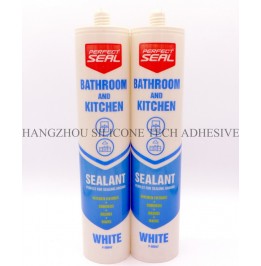
The choice of grinding tools depends on the substrate material and the desired finish. For concrete floors, diamond-tipped grinding discs are highly effective due to their durability and ability to handle rough surfaces. Start with coarse-grit discs (e.g., 30-60 grit) to remove surface imperfections and level uneven areas. Progress to medium-grit discs (80-120 grit) for smoothing and preparing the surface for sealant application. For tiled surfaces, use carbide-tipped or diamond-coated grinding bits to avoid damaging the tiles while addressing grout lines or minor surface irregularities.
Handheld grinders are suitable for small areas, corners, and edges where larger machines cannot reach. They offer precision and control, making them ideal for detailed work. Floor grinders, on the other hand, are designed for large, open areas and provide faster material removal. When using floor grinders, ensure the machine is equipped with dust extraction systems to minimize airborne particles and maintain a clean working environment.
Begin with the coarsest grit grinding disc appropriate for the substrate. For concrete, this may involve using a 30-60 grit diamond disc. Apply even pressure and move the grinder in a consistent, overlapping pattern to avoid creating grooves or uneven spots. Focus on areas with significant imperfections, such as high spots or cracks. Keep the grinder moving to prevent overheating the substrate, which can lead to cracking or weakening.
After the initial rough grinding, switch to a medium-grit disc (80-120 grit). This step aims to smooth out the surface and remove any scratches or marks left by the coarse grit. Continue moving the grinder in a systematic pattern, ensuring full coverage of the area. Pay special attention to transitions between different substrate materials, such as where concrete meets tile, to create a seamless surface for sealant application.
For the final finish, use a fine-grit disc (150-300 grit or higher) to achieve a smooth, even surface. This step is crucial for ensuring proper adhesion of the sealant and a professional-looking result. The final grind should remove any remaining imperfections and create a surface texture that promotes sealant penetration and bonding. If necessary, use a polishing pad or compound to enhance the surface shine, especially in areas where aesthetics are important.
Grinding generates a significant amount of dust, which can be harmful if inhaled and can also interfere with sealant adhesion. Implement effective dust control measures, such as using a dust extraction system attached to the grinder or working in a well-ventilated area with proper personal protective equipment (PPE), including a dust mask and safety goggles. After grinding, thoroughly clean the surface using a vacuum cleaner with a HEPA filter to remove all dust particles. Follow up with a damp mop or cloth to ensure a completely clean substrate ready for sealant application.
If the concrete substrate has cracks or spalling, address these issues before grinding. Use a concrete repair compound to fill cracks and level spalled areas. Allow the repair material to cure according to the manufacturer's instructions before proceeding with grinding. This ensures a stable and even surface for sealant application.
In tiled areas, check the condition of the grout lines. If the grout is loose or crumbling, remove and replace it before grinding. Use a grout removal tool to carefully extract the old grout, then apply new grout and allow it to cure fully. This step prevents damage to the tiles during grinding and ensures a clean, stable surface for sealant application around the tile edges.
Copyright 2019 by Hangzhou Silicone Tech Adhesive Co., Ltd. All rights reserved.
Bathroom Sealant | Acrylic Sealant | Dow Corning 795 | Aquarium Sealant | Dow Corning 732 | Clear Silicone Sealant | Polysulfide Sealant | Glazing Sealant | Mirror Sealant | IG Sealant
Powered by Onepound


