E-mail:
sales@silicone-sealant-china.com

Views: 580 Dec 02 , 2025
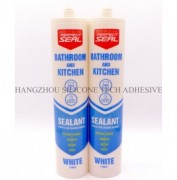
Selecting Bathroom Sealants for Long-Term Exposure to High Temperatures Bathrooms are prone to high humidity and fluctuating temperatures, but in environments with prolonged heat—such as saunas, steam rooms, or homes in hot climates—choosing the right sealant becomes critical. High temperatures can accelerate chemical degradation, reduce adhesion, and cause...
Views: 1018 Dec 02 , 2025
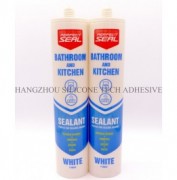
Preventing Damage from Sudden Temperature Changes After Sealant Application When applying sealants in construction or renovation projects, sudden temperature fluctuations after application can compromise adhesion, flexibility, and overall performance. These changes may cause cracking, shrinking, or detachment, leading to costly repairs and reduced durability....
Views: 451 Nov 30 , 2025
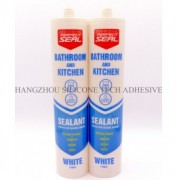
Chemical Compatibility Between Bathroom Sealants and Body Wash: What You Need to Know When renovating or maintaining bathrooms, understanding the chemical compatibility between sealants and body wash is essential for ensuring long-lasting, effective waterproofing. Body wash products often contain surfactants, oils, and fragrances that can interact with sealant...
Views: 508 Nov 30 , 2025
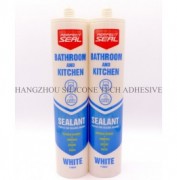
Managing Contact Between Cosmetics and Freshly Applied Sealants: Key Guidelines After applying sealants in bathrooms, kitchens, or other high-moisture areas, avoiding contact with cosmetics is critical to ensure proper curing and long-term durability. Cosmetics often contain oils, alcohols, and pigments that can react with uncured sealants, leading to discoloration,...
Views: 452 Nov 30 , 2025
Managing Pet Urine Contamination After Bathroom Sealant Application Pet accidents in bathrooms pose unique challenges, especially when fresh sealant is curing. Urine can react with uncured chemicals, compromise adhesion, and create lingering odors or health hazards. This guide provides step-by-step solutions to address contamination without disrupting the sealant’s...
Views: 648 Nov 30 , 2025
Selecting Bathroom Sealants for Households with Sensitive Individuals: Key Considerations Families with children, elderly members, or individuals with respiratory conditions or chemical sensitivities must prioritize safety when choosing bathroom sealants. The enclosed nature of bathrooms amplifies exposure to volatile organic compounds (VOCs) and other irritants,...
Views: 1196 Nov 30 , 2025
Understanding VOC Release Safety Periods After Sealant Application When applying sealants in bathrooms or other enclosed spaces, volatile organic compounds (VOCs) released during curing can impact indoor air quality. Determining how long to wait before reoccupying the area requires analyzing factors like sealant type, environmental conditions, and ventilation. This...
Views: 481 Nov 30 , 2025
How to Choose Bathroom Sealants Based on Environmental Certification Standards When selecting bathroom sealants, environmental performance is a critical factor that directly impacts indoor air quality and long-term health. This guide outlines actionable criteria for evaluating sealants through the lens of global environmental certifications, chemical composition, and...
Views: 498 Nov 27 , 2025
Impact of Earthquakes and Vibrations on Sealants After Application Sealants play a crucial role in maintaining the integrity of structures by preventing water, air, and debris infiltration. However, their performance can be severely compromised by external forces such as earthquakes or heavy vibrations. Understanding how these events affect sealants is essential for...
Views: 479 Nov 27 , 2025
Impact of Structural Settlement on Bathroom Sealants After Application Bathroom sealants are critical for preventing water infiltration and maintaining structural integrity in high-moisture environments. However, their performance can be significantly affected by structural settlement, a natural phenomenon caused by soil movement, foundation shifts, or thermal...
Views: 473 Nov 27 , 2025
Seasonal Inspection Priorities for Sealants: Key Differences and Technical Considerations Sealants are critical components in construction, automotive, and industrial applications, ensuring airtightness, waterproofing, and structural integrity. However, their performance is highly influenced by seasonal environmental changes. Understanding how temperature, humidity,...
Views: 550 Nov 25 , 2025
Handling Surface Contamination After Sealant Application: Key Mistakes to Avoid Properly addressing surface contamination after sealant application is critical to maintaining adhesion, durability, and aesthetic appeal. Improper cleaning or handling can compromise the sealant’s performance, leading to premature failure or costly repairs. Below are essential guidelines to...
Copyright 2019 by Hangzhou Silicone Tech Adhesive Co., Ltd. All rights reserved.
Bathroom Sealant | Acrylic Sealant | Dow Corning 795 | Aquarium Sealant | Dow Corning 732 | Clear Silicone Sealant | Polysulfide Sealant | Glazing Sealant | Mirror Sealant | IG Sealant
Powered by Onepound


