E-mail:
sales@silicone-sealant-china.com

Mastering Caulk Dispensing Speed for Flawless Bathroom Seals
Controlling the dispensing speed of bathroom sealant is critical for achieving clean, even beads that adhere properly and resist cracking or sagging. Too fast, and the material may overflow or form uneven lines; too slow, and the joint may look patchy or require excessive smoothing. This guide explores practical techniques to regulate dispensing speed for different joint types and environmental conditions, ensuring professional-grade results without waste or frustration.
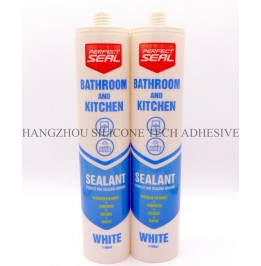
1. Viscosity Variations Between Sealant Types
Not all sealants flow at the same rate. Silicone-based options tend to be thicker and require slower dispensing to avoid clumps, while acrylic or latex-based varieties may flow more freely. Test the sealant’s consistency by squeezing a small amount onto a scrap surface before starting the main application. If it feels overly stiff, warm the cartridge slightly by holding it under warm water (not hot) for 5–10 minutes to soften the material. For runny sealants, chill the cartridge briefly in cold water to stiffen it slightly, making it easier to control.
2. Environmental Conditions Affecting Flow
Temperature and humidity play a significant role in how sealant behaves during application. In cold environments, sealant thickens, slowing dispensing speed and requiring more pressure on the trigger. Conversely, high heat or humidity can make the material softer, causing it to flow too quickly. Adjust your technique accordingly: in cold weather, apply gentle, steady pressure and work in shorter bursts; in hot or humid conditions, move faster and use lighter pressure to prevent overflow. If possible, work in a climate-controlled space or adjust the timing of your project to avoid extreme temperatures.
3. Caulk Gun Design and Maintenance
The type of caulk gun you use impacts dispensing precision. Manual guns with a ratchet mechanism offer better control than basic models, allowing you to adjust pressure incrementally. Pneumatic or battery-powered guns can provide consistent flow but require calibration to match the sealant’s viscosity. Ensure the plunger rod moves smoothly and the trigger isn’t stuck or worn, as friction can cause uneven dispensing. Clean the gun regularly to remove dried sealant residue, which can clog the mechanism and disrupt flow.
1. Modifying Trigger Pressure for Different Joint Sections
Vertical joints, such as those along shower walls, require slower dispensing to prevent the sealant from sagging before it can be smoothed. Apply light pressure to the trigger and release it frequently to create short, controlled bursts of material. For horizontal joints, like those around sinks or bathtubs, you can increase pressure slightly for a steadier flow, but stay alert for signs of overflow. If the sealant starts to pool or drip, pause and smooth it immediately with a finishing tool or damp finger before continuing.
2. Using a Variable-Speed Caulk Gun for Precision
Variable-speed caulk guns, whether manual or electric, allow you to dial in the exact flow rate needed for the job. Start with a low setting for thick sealants or intricate joints, then gradually increase speed as you gain confidence. These tools often feature a thumb-controlled dial or trigger sensitivity adjustment, letting you switch between fast and slow dispensing without stopping. Practice on scrap material first to find the optimal speed for your sealant type and joint width.
3. Pausing and Repositioning to Control Flow
If the sealant begins to flow too quickly, pause briefly to reposition your hand or the gun. Lift the nozzle slightly away from the joint to interrupt the flow, then resume application after adjusting your grip or pressure. For long joints, rotate the cartridge periodically to redistribute the material inside, ensuring consistent flow from start to finish. If the sealant in the nozzle starts to harden, trim it with scissors or a utility knife before continuing to avoid clumps or uneven beads.
1. Fixing Uneven Beads Caused by Inconsistent Pressure
An uneven bead—thick in some spots and thin in others—often results from fluctuating trigger pressure. To correct this, focus on maintaining steady, even squeezes throughout the application. If the bead is too thick in sections, use a plastic spatula or old credit card to scrape excess material before it cures, then smooth the remaining sealant with a finishing tool. For thin areas, reapply a small amount of sealant and blend it into the existing line with a damp finger, working quickly to avoid visible transitions.
2. Preventing Sealant Overflow in Tight Corners
Corners and narrow joints are prone to overflow because the sealant has less space to spread. Slow down your dispensing speed and use a narrower nozzle tip (if available) to direct the material more precisely. Apply the sealant in short, angled strokes, starting from the corner and working outward. If overflow occurs, wipe away the excess immediately with a damp cloth before it cures, then reshape the joint with a finishing tool for a clean edge.
3. Addressing Clogged Nozzles That Disrupt Flow
A clogged nozzle can cause sudden stops or uneven dispensing, forcing you to interrupt your workflow. To clear a blockage, trim the nozzle tip with scissors or a utility knife to widen the opening slightly. If the clog is deeper inside, remove the nozzle and use a thin wire or pin to dislodge dried sealant. Always keep the nozzle clean between uses by wiping it with a damp cloth and storing the cartridge tip-down to prevent air bubbles from forming.
By mastering these dispensing speed techniques, you can tackle any bathroom sealing project with confidence. Adapt your approach based on sealant type, joint geometry, and environmental factors, and prioritize steady, controlled movements for the best results.
Copyright 2019 by Hangzhou Silicone Tech Adhesive Co., Ltd. All rights reserved.
Bathroom Sealant | Acrylic Sealant | Dow Corning 795 | Aquarium Sealant | Dow Corning 732 | Clear Silicone Sealant | Polysulfide Sealant | Glazing Sealant | Mirror Sealant | IG Sealant
Powered by Onepound


