E-mail:
sales@silicone-sealant-china.com

Pro Tips for Filling Irregular Joints with Sealant in Bathrooms
Irregular or uneven joints in bathrooms—such as those around custom tiles, curved sinks, or textured backsplashes—require a strategic approach to ensure proper adhesion, waterproofing, and a polished finish. Unlike straight, uniform seams, these joints often feature gaps of varying widths, angles, or depths, making standard caulking techniques ineffective. This guide breaks down actionable methods to tackle these challenges, covering preparation, application, and finishing for durable, professional-looking results.
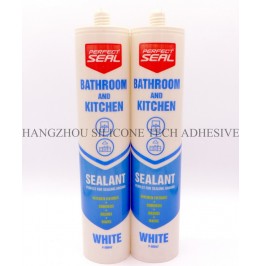
1. Cleaning and Degreasing Hard-to-Reach Areas
Irregular joints often trap dirt, soap scum, or old sealant residue, which can prevent new material from bonding securely. Start by using a stiff-bristled brush (like an old toothbrush) to scrub crevices and textured surfaces, dislodging embedded debris. For greasy areas, such as near cooking zones or showerheads, mix a solution of equal parts water and white vinegar to cut through grime. Rinse thoroughly with clean water and dry the joint completely using a microfiber cloth or a hairdryer on a cool setting. Avoid using oil-based cleaners, as they can leave a residue that weakens adhesion.
2. Creating a Uniform Base for Uneven Surfaces
If the joint has significant depth variations, use a backer rod—a flexible foam strip—to fill deeper sections before applying sealant. Cut the backer rod to fit the joint’s length and press it into place, ensuring it sits slightly below the surface (about 1–2 mm) to leave room for the sealant. This step prevents the material from sinking into gaps, creating a consistent thickness for better waterproofing. For joints with minor irregularities, skip the backer rod and focus on smoothing the sealant during application instead.
3. Masking Adjacent Surfaces for Clean Lines
To avoid accidental smears on tiles, countertops, or fixtures, apply painter’s tape along both edges of the joint before starting. Use a high-quality tape designed for delicate surfaces to prevent paint or tile damage when removed. Position the tape about 1–2 mm away from the joint’s edge to leave a crisp, narrow sealant line. For curved or angled joints, tear the tape into smaller strips and press them firmly into place, following the contour of the surface.
1. Using a Flexible Nozzle for Precision in Tight Spaces
Standard caulk gun nozzles may be too rigid for irregular joints. Opt for a flexible, angled nozzle attachment (or trim the existing nozzle at a 45-degree angle) to reach into corners, curves, or narrow gaps. This allows you to direct the sealant exactly where it’s needed without overfilling adjacent areas. For example, when sealing around a curved sink edge, hold the nozzle close to the surface and apply gentle pressure to release a thin, controlled bead. Move steadily along the joint, adjusting your angle as needed to maintain consistent coverage.
2. Applying Sealant in Short, Overlapping Strokes
Irregular joints rarely follow a straight path, so dispensing sealant in long, continuous lines can lead to uneven thickness or missed spots. Instead, work in sections of 6–12 inches, applying the material in short bursts. Overlap each section slightly (about 1–2 cm) to ensure seamless coverage. For joints with abrupt changes in direction, pause after each stroke, reposition the nozzle, and resume applying the sealant to maintain a smooth transition. This method also gives you more control over the flow rate, preventing overflow in tight areas.
3. Adjusting Pressure for Joints with Varying Depths
Deeper sections of an irregular joint will require more sealant than shallower ones. To manage this, vary the pressure on the caulk gun trigger as you move along the seam. Squeeze harder when filling deeper gaps and ease up for shallower areas. If using a manual gun, practice on scrap material first to get a feel for how much pressure corresponds to the desired bead thickness. For pneumatic or battery-powered guns, adjust the flow rate settings (if available) to match the joint’s profile, ensuring consistent material distribution.
1. Smoothing the Sealant with Customized Tools
Standard caulk finishing tools may not fit the contours of irregular joints. Instead, use a flexible silicone spatula, a damp finger wrapped in a lint-free cloth, or even a rounded plastic tool (like an old credit card) to shape the bead. For curved joints, follow the natural arc of the surface, pressing gently to create a concave profile that sheds water effectively. In narrow gaps, use a narrow, pointed tool (like a toothpick or a small dowel) to push the sealant into place without disturbing adjacent areas. Always work quickly, as sealant cures faster in humid bathroom environments.
2. Removing Excess Sealant Before It Dries
Even with careful application, excess material can accumulate in irregular joints, especially around edges or corners. Use a damp cloth or sponge to wipe away stray sealant immediately after smoothing, rinsing the cloth frequently to avoid spreading residue. For stubborn spots, dip a cotton swab in rubbing alcohol (test on a small area first) to dissolve the material without damaging the surface. If the sealant starts to cure before you can remove it, use a sharp utility knife or razor blade to carefully trim the excess, holding the blade at a shallow angle to avoid scratching the tile or fixture.
3. Inspecting and Touching Up Imperfections
After the sealant has partially cured (but is still slightly tacky), inspect the joint for low spots, air bubbles, or uneven edges. Use a small amount of fresh sealant to fill any gaps, blending it into the existing bead with a damp finger or tool. For air bubbles, prick them with a pin and press the sealant flat to seal the hole. Allow the touch-ups to cure fully before exposing the joint to water or moisture. Regularly check the sealant over the next few days, as shrinkage or settling may create new imperfections that need attention.
By tailoring your approach to the unique shape and depth of each joint, you can achieve a watertight, professional finish in any bathroom. Prioritize thorough preparation, adaptive application techniques, and meticulous finishing to ensure long-lasting performance and aesthetic appeal.
Copyright 2019 by Hangzhou Silicone Tech Adhesive Co., Ltd. All rights reserved.
Bathroom Sealant | Acrylic Sealant | Dow Corning 795 | Aquarium Sealant | Dow Corning 732 | Clear Silicone Sealant | Polysulfide Sealant | Glazing Sealant | Mirror Sealant | IG Sealant
Powered by Onepound


