E-mail:
sales@silicone-sealant-china.com

Layered Application Techniques for Sealing Wide Gaps in Bathrooms
Wide or uneven gaps in bathrooms—such as those around aging tile installations, expansive shower trays, or poorly fitted fixtures—require a structured approach to ensure effective waterproofing and a smooth finish. Standard single-layer caulking often fails to fill deep gaps completely, leading to shrinkage, cracking, or water infiltration. A layered application method, where sealant is built up in stages, addresses these issues by creating a stable, durable bond that adapts to the gap’s dimensions. This guide explains how to execute this technique, covering material preparation, step-by-step layering, and finishing touches for long-lasting results.
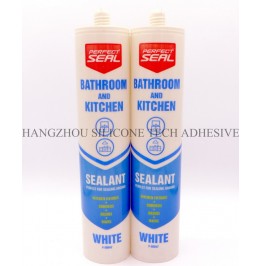
1. Cleaning and Assessing the Gap’s Depth and Width
Before applying any sealant, thoroughly clean the gap to remove dirt, old caulk, or mold, which can weaken adhesion. Use a stiff-bristled brush or an old toothbrush to scrub crevices, followed by a damp cloth to wipe away residue. For deep gaps (over 10mm), measure the depth at multiple points using a ruler or a folded piece of paper to identify variations. This helps determine how many layers you’ll need and ensures consistent coverage. If the gap is uneven, mark wider sections with a pencil to guide your application.
2. Installing a Backer Rod for Structural Support
A backer rod—a flexible foam strip—is essential for gaps deeper than 5mm. It fills excess space, reduces sealant usage, and prevents the material from sinking or cracking as it cures. Choose a backer rod diameter slightly larger than the gap’s width (about 10–20% oversized) to ensure a snug fit. Press the rod into the gap using your fingers or a blunt tool, stopping 1–2mm below the surface to leave room for the first sealant layer. Avoid stretching or puncturing the backer rod, as this can compromise its effectiveness.
3. Masking Surrounding Surfaces for Clean Edges
To avoid smudging sealant on tiles, countertops, or fixtures, apply painter’s tape along both edges of the gap. Use a high-quality tape designed for delicate surfaces to prevent paint or tile damage when removed. Position the tape about 1–2mm away from the gap’s edge to create a crisp, narrow sealant line. For curved or angled gaps, tear the tape into smaller strips and press them firmly into place, following the contour of the surface. This step is critical for achieving a professional finish, especially in visible areas like shower corners.
1. Applying the First Base Layer for Initial Adhesion
The first layer acts as a foundation, bonding to the backer rod (if used) and the gap’s sides. Load a caulk gun with a sealant suitable for wet environments (e.g., silicone or polyurethane) and cut the nozzle at a 45-degree angle to match the gap’s width. Apply a thin, continuous bead along the gap, pressing the nozzle firmly into the corner to ensure contact with both surfaces. For gaps without a backer rod, focus on filling the bottom third of the space evenly. Use light pressure on the trigger to control the flow, and move steadily to avoid pauses that create uneven spots.
2. Building Up Intermediate Layers for Depth and Stability
After the first layer cures partially (check the manufacturer’s instructions for recommended drying time, typically 1–4 hours), apply a second layer to fill the gap further. This layer should cover about half of the remaining space, overlapping the first layer slightly to create a strong bond. Use the same technique as before, adjusting the nozzle angle or pressure if needed to match the gap’s shape. For gaps wider than 20mm, add a third layer after the second cures, filling the gap to just below the surface. Allow each layer to cure fully before proceeding to the next to prevent shifting or cracking.
3. Final Top Layer for Smooth, Waterproof Finishing
The last layer seals the gap completely and creates a smooth surface for finishing. Apply this layer slightly above the surrounding surface (about 1–2mm proud) to account for shrinkage as it cures. Use a damp finger, a silicone spatula, or a rounded plastic tool to shape the bead into a concave profile, which sheds water effectively. Work quickly, as sealant becomes less malleable as it dries. If the top layer sags or looks uneven, add a small amount of fresh sealant to low spots and re-smooth before it cures.
1. Smoothing and Shaping the Sealant for Aesthetic Appeal
Once the final layer is applied, refine its appearance by running a finishing tool along the bead. For straight gaps, use a flat-edged tool to create a clean, rectangular profile. For curved gaps, switch to a rounded tool to match the contour. If you don’t have specialized tools, wrap a damp lint-free cloth around your finger and press gently to shape the sealant. Avoid overworking the material, as this can introduce air bubbles or thin the layer unevenly. For best results, smooth the sealant in one continuous motion per section.
2. Removing Masking Tape at the Right Time
Peel off the painter’s tape while the sealant is still slightly tacky (usually within 5–15 minutes after smoothing). Pull the tape at a 45-degree angle away from the gap to avoid pulling up fresh sealant. If any residue remains, wipe it away with a damp cloth or a small amount of rubbing alcohol (tested on a hidden area first). Inspect the edges for sharp lines or excess material, and use a sharp utility knife or razor blade to trim any stray sealant, holding the blade at a shallow angle to prevent scratches.
3. Checking for Gaps or Imperfections Post-Curing
After the sealant cures fully (typically 24–48 hours, depending on humidity and temperature), inspect the gap for low spots, air bubbles, or uneven edges. Shine a flashlight along the joint to highlight imperfections that might not be visible otherwise. If you find any issues, use a small amount of fresh sealant to fill gaps, blending it into the existing bead with a damp tool. For air bubbles, prick them with a pin and press the sealant flat. Regularly check the sealant over the next few weeks, as shrinkage or settling may create new problems that need touch-ups.
By using a layered approach, you can transform wide, problematic gaps into watertight, visually appealing joints that withstand daily bathroom use. This method ensures each layer cures properly, minimizing the risk of cracking or failure while providing a durable, long-lasting seal.
Copyright 2019 by Hangzhou Silicone Tech Adhesive Co., Ltd. All rights reserved.
Bathroom Sealant | Acrylic Sealant | Dow Corning 795 | Aquarium Sealant | Dow Corning 732 | Clear Silicone Sealant | Polysulfide Sealant | Glazing Sealant | Mirror Sealant | IG Sealant
Powered by Onepound


