E-mail:
sales@silicone-sealant-china.com

Combining Bathroom Sealants and Tile Grout Enhancers for Long-Lasting Results
When renovating or maintaining a bathroom, achieving a watertight, mold-resistant finish around tiles, fixtures, and corners is critical. While standard bathroom sealants excel at filling gaps between surfaces like bathtubs and walls, they may lack the aesthetic flexibility or durability needed for tile joints. Conversely, tile grout enhancers (often referred to as “grout sealers” or “epoxy-based fillers”) provide a polished, color-matched look but might not offer the same flexibility or waterproofing as dedicated sealants. Pairing these two materials strategically can create a seamless, functional, and visually appealing bathroom environment. This guide explores how to combine them effectively, covering material selection, application timing, and troubleshooting common issues.
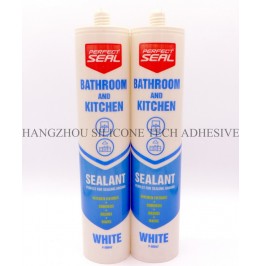
1. Where Each Material Excels in Bathroom Applications
Bathroom sealants, typically silicone- or polyurethane-based, are designed to create flexible, waterproof barriers in areas subject to movement or moisture exposure. They’re ideal for joints between tiles and fixtures like sinks, showers, or bathtubs, where slight shifting could crack rigid materials. Grout enhancers, on the other hand, are formulated to strengthen and beautify tile grout lines. They often contain epoxy or acrylic compounds that resist staining, cracking, and discoloration, making them perfect for high-traffic shower floors or backsplashes. By using sealants for dynamic joints and enhancers for static grout lines, you address both structural and aesthetic needs.
2. Why Combining Both Materials Improves Durability
Using only a grout enhancer in areas prone to movement (e.g., corners where walls meet a shower tray) can lead to cracking over time, as these products lack the elasticity to accommodate shifts. Similarly, relying solely on a bathroom sealant for grout lines might result in a less polished finish or reduced resistance to stains and wear. Combining them leverages the strengths of each: the sealant’s flexibility protects against movement-related damage, while the enhancer’s hardness and color retention keep grout lines looking fresh. This dual approach also extends the lifespan of both materials by reducing the frequency of repairs.
3. Identifying Areas That Benefit Most from Dual Applications
Not every bathroom joint requires both products. Focus on high-risk zones where water exposure, movement, or aesthetic demands are highest. For example, apply sealant around the base of a toilet or along the edges of a shower tray where the floor meets the walls, as these areas flex slightly during use. Use a grout enhancer in the main tile field of the shower floor or backsplash, where grout lines are static but need to resist soap scum and mildew. In corners where two tiled walls meet, a combination of both—sealant in the inner corner and enhancer along the grout lines—ensures both flexibility and a clean appearance.
1. Preparing Surfaces for Optimal Adhesion and Finish
Before applying any product, thoroughly clean all surfaces to remove dirt, old grout, or sealant residue. Use a stiff brush and a mild detergent for tiles and grout lines, then rinse with water and let dry completely. For areas where you’ll apply sealant, ensure the gap is free of debris and has a uniform width (use a backer rod if the gap is deeper than 5mm). If the existing grout is cracked or crumbling, remove it with a grout saw and replace it before enhancing. Wipe down tiles with a lint-free cloth to eliminate dust that could interfere with adhesion.
2. Applying Grout Enhancer First in Static Tile Joints
Start with grout enhancer in areas where tiles meet but don’t experience movement, such as shower walls or backsplashes. Using a small applicator bottle or a grout float, work the enhancer into the grout lines, pressing firmly to fill any voids. For epoxy-based enhancers, follow the manufacturer’s instructions for mixing ratios and curing times. Smooth the surface with a damp sponge or cloth, wiping diagonally across the grout lines to avoid pulling out material. Allow the enhancer to cure fully (usually 24–48 hours) before applying sealant nearby, as premature contact could affect adhesion.
3. Sealing Dynamic Joints After Grout Enhancement Cures
Once the grout enhancer is dry, focus on joints that require flexibility, like the base of a bathtub or the corner where a vanity meets the wall. Load a caulk gun with a bathroom sealant suitable for wet environments and cut the nozzle at a 45-degree angle to match the gap’s width. Apply a continuous bead along the joint, pressing the nozzle into the corner to ensure contact with both surfaces. Smooth the sealant with a damp finger or a rounded tool, creating a concave profile that sheds water. Work in sections to avoid the sealant skinning over before you finish shaping it.
1. Preventing Chemical Reactions Between Materials
Some grout enhancers contain solvents or acids that can degrade certain sealants if applied too close together or before the enhancer cures. Always check the manufacturer’s guidelines for compatibility. If unsure, test a small area by applying enhancer to a grout line, letting it cure, then applying sealant adjacent to it. Monitor for discoloration, bubbling, or softening over 24 hours. To minimize risks, maintain a 2–3mm gap between sealed joints and enhanced grout lines where possible, or use a neutral-curing sealant if the enhancer contains harsh chemicals.
2. Managing Curing Times to Avoid Premature Wear
Rushing the curing process is a common error that leads to cracking or peeling. Grout enhancers often require longer curing times than sealants, especially in humid environments. Avoid exposing freshly enhanced grout to water or steam for at least 48 hours, and keep the bathroom well-ventilated to speed up drying. Similarly, don’t apply sealant until the enhancer is fully cured, as trapped moisture under the sealant can cause mold growth. If you must use the shower during curing, cover treated areas with plastic sheeting secured with tape to protect them.
3. Fixing Uneven or Discolored Joints After Application
Even with careful application, joints may look uneven or develop discoloration over time. For uneven sealant, use a sharp utility knife to trim excess material while it’s still slightly pliable, then re-smooth the edge with a damp tool. If the sealant turns yellow or discolors, it may be due to UV exposure or chemical incompatibility; remove the affected section and replace it with a UV-resistant or compatible formula. For grout enhancer that appears patchy, apply a second thin coat after the first has cured, blending it carefully with a damp sponge.
By strategically combining bathroom sealants and grout enhancers, you create a bathroom that’s both functional and visually cohesive. This approach ensures joints remain watertight and flexible while grout lines stay stain-resistant and polished, reducing the need for frequent maintenance.
Copyright 2019 by Hangzhou Silicone Tech Adhesive Co., Ltd. All rights reserved.
Bathroom Sealant | Acrylic Sealant | Dow Corning 795 | Aquarium Sealant | Dow Corning 732 | Clear Silicone Sealant | Polysulfide Sealant | Glazing Sealant | Mirror Sealant | IG Sealant
Powered by Onepound


