E-mail:
sales@silicone-sealant-china.com

Effective Sealing Techniques for Metal Pipe Fittings Using Sealants
Sealing metal pipe fittings is essential to prevent leaks, corrosion, and contamination in plumbing, HVAC, or industrial systems. Proper application of sealants around these components ensures long-term reliability, especially in environments exposed to moisture, chemicals, or temperature fluctuations. This guide covers key considerations for selecting materials, preparing surfaces, and applying sealants to achieve durable, leak-proof joints without relying on brand-specific recommendations.
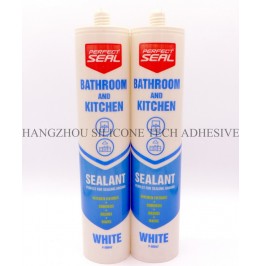
1. Understanding Material Compatibility with Metals
Not all sealants adhere equally to metal surfaces like steel, copper, or aluminum. Silicone-based sealants are versatile and resist high temperatures, making them suitable for both indoor and outdoor plumbing. Polyurethane sealants offer excellent flexibility and chemical resistance, ideal for systems handling oils or solvents. For high-pressure applications, anaerobic sealants (which cure in the absence of air) provide a strong, permanent bond between threaded fittings. Always verify the sealant’s compatibility with the metal type and the fluid it will contact to avoid degradation or failure.
2. Evaluating Environmental Factors
The operating environment significantly impacts sealant performance. In areas with frequent temperature swings, choose a sealant with low thermal expansion to prevent cracking. For wet or humid conditions, prioritize mold-resistant formulas that maintain elasticity when submerged. If the system will handle corrosive substances like acids or salts, select a chemically inert sealant, such as an epoxy-based or PTFE-infused product. UV-resistant options are critical for outdoor installations exposed to sunlight, as prolonged exposure can cause brittleness in some materials.
3. Determining the Required Flexibility and Strength
The sealant’s flexibility should match the joint’s movement potential. Rigid joints, like those in static piping systems, may tolerate stiffer sealants, while dynamic joints (e.g., around vibrating machinery or expanding pipes) need highly elastic formulas to absorb stress without cracking. Consider the pressure rating of the system—high-pressure applications demand sealants with robust adhesion and compression resistance, whereas low-pressure systems might prioritize ease of application and reworkability.
1. Cleaning and Degreasing the Fitting Area
Contaminants like oil, grease, or loose rust undermine sealant adhesion. Start by wiping the metal surface with a solvent-soaked rag (e.g., isopropyl alcohol or acetone) to dissolve oils. For heavy grease, use a degreasing agent and a scrub brush, then rinse with water and dry thoroughly. Avoid leaving residue, as even trace amounts can create weak spots in the seal. If the metal is painted or coated, ensure the coating is intact; damaged areas should be sanded smooth before sealing.
2. Removing Old Sealant and Corrosion
Previous sealant layers must be fully removed to ensure a clean bonding surface. Use a plastic scraper or putty knife to avoid scratching the metal, then follow up with a wire brush or abrasive pad to eliminate stubborn residue. For corroded fittings, gently sand the affected area with fine-grit sandpaper until bright metal is exposed. After sanding, wipe the surface with a tack cloth to pick up microscopic dust particles that could interfere with adhesion.
3. Roughening Smooth Surfaces for Better Grip
Highly polished metals, like stainless steel or anodized aluminum, may require surface roughening to improve sealant adhesion. Lightly abrade the area with 120- to 220-grit sandpaper, focusing on the joint perimeter where the sealant will sit. Avoid over-sanding, which could weaken the metal or create uneven surfaces. After roughening, clean the area again to remove sanding debris. For threaded fittings, ensure threads are clean and free of burrs before applying thread-specific sealants.
1. Applying Sealant to Threaded Fittings
For threaded connections, use a sealant designed to fill gaps between threads without clogging the system. Apply a thin, continuous bead of anaerobic or thread-locking sealant to the male threads, starting from the base and working toward the tip. Avoid over-applying, as excess sealant can squeeze into the fluid pathway and cause blockages. Assemble the fitting immediately, as ana sealants cure rapidly when deprived of air. Tighten the connection to the manufacturer’s specified torque to ensure proper compression without stripping threads.
2. Sealing Flange Connections and Static Joints
Flange gaskets or static joints (e.g., between pipes and valves) require a different approach. Cut a nozzle to match the gap width and apply a uniform bead of silicone or polyurethane sealant around the perimeter of the flange or joint. Use a caulk gun for precision, maintaining consistent pressure to avoid gaps. For larger gaps, layer the sealant in multiple passes, allowing each layer to partially cure before adding the next. Press the mating surfaces together firmly to spread the sealant evenly, then wipe away excess with a damp cloth before it skins over.
3. Curing and Testing the Sealed Joint
Allow the sealant to cure fully before subjecting the joint to pressure or movement. Curing times vary by material—silicone may take 24 hours, while polyurethane could require 48 hours or longer in humid conditions. During curing, keep the joint undisturbed and protected from dust or moisture. After curing, perform a pressure test by gradually introducing fluid to the system and monitoring for leaks. For critical applications, use a dye penetrant or ultrasonic testing to detect microscopic gaps invisible to the naked eye.
By following these steps, you can create durable, leak-proof seals around metal pipe fittings that withstand environmental stressors and mechanical forces. Proper material selection, surface preparation, and application techniques are key to minimizing maintenance and ensuring system integrity over time.
Copyright 2019 by Hangzhou Silicone Tech Adhesive Co., Ltd. All rights reserved.
Bathroom Sealant | Acrylic Sealant | Dow Corning 795 | Aquarium Sealant | Dow Corning 732 | Clear Silicone Sealant | Polysulfide Sealant | Glazing Sealant | Mirror Sealant | IG Sealant
Powered by Onepound


