E-mail:
sales@silicone-sealant-china.com

Choosing the Right Tools for Smoothing Bathroom Sealant After Application
Applying sealant in bathroom joints—such as around sinks, showers, or bathtubs—requires precision to ensure a waterproof, aesthetically pleasing finish. After dispensing the sealant, using the correct tool to press and shape it is critical for achieving a clean, professional result. The right tool helps eliminate air bubbles, creates uniform edges, and ensures the sealant adheres properly to surfaces. Below, explore key considerations for selecting tools based on material, joint type, and desired finish.
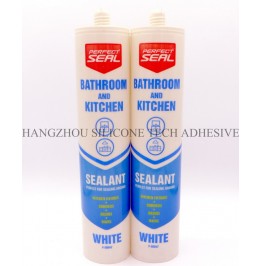
1. Silicone Sealants: Flexibility and Smooth Finish Requirements
Silicone sealants are commonly used in bathrooms due to their water resistance and flexibility. When working with silicone, choose tools that allow for controlled pressure to avoid over-flattening the material, which can reduce its elasticity. Tools with rounded or angled edges work best, as they help create a concave bead that sheds water effectively. Avoid sharp-edged tools, which may tear the silicone or leave uneven surfaces prone to mold growth.
2. Acrylic Sealants: Stiffer Formulas and Precision Shaping
Acrylic sealants dry harder than silicone, making them suitable for areas requiring a more rigid finish, like wall corners or tile joints. For these materials, tools with straight edges or flat profiles are ideal, as they help achieve sharp, clean lines. Since acrylic is less flexible, tools that apply even pressure across the joint prevent cracking during curing. Opt for tools made from durable materials like plastic or metal, which maintain their shape under repeated use.
3. Hybrid Sealants: Balancing Flexibility and Strength
Hybrid sealants combine properties of silicone and acrylic, offering both flexibility and durability. When smoothing hybrid formulas, use tools that accommodate their dual nature—such as those with slightly rounded edges for flexibility and flat sections for structural support. These tools help distribute the sealant evenly while maintaining its ability to expand and contract with temperature changes, reducing the risk of future leaks.
1. Narrow Joints: Fine-Tipped Tools for Tight Spaces
Bathroom joints around faucets, drains, or narrow tile gaps often require precision. Tools with narrow, pointed tips can reach into tight corners without smearing excess sealant onto adjacent surfaces. Look for options with adjustable angles, as these allow you to maneuver around curved fixtures or uneven edges. For vertical joints, tools with a slight curve help guide the sealant downward without dripping, ensuring a consistent bead from top to bottom.
2. Wide Joints: Broad, Flat Tools for Even Coverage
Larger gaps, such as those between a bathtub and wall or around shower trays, demand tools that cover more surface area quickly. Broad, flat tools—like plastic spatulas or caulk finishing blades—are effective for spreading sealant evenly across wide joints. These tools minimize the need for multiple passes, reducing the risk of inconsistent thickness. Some designs feature ergonomic handles, which improve grip and control during extended use, especially in hard-to-reach areas.
3. Curved or Irregular Joints: Flexible Tools for Contoured Surfaces
Bathrooms often feature curved fixtures, such as rounded sink edges or freestanding bathtubs, which create irregular joints. Flexible tools made from silicone or rubber conform to these shapes, ensuring the sealant adheres smoothly without gaps. Finger-shaped tools or those with malleable tips are particularly useful for navigating compound curves, as they mimic the natural pressure of a fingertip while providing a more hygienic alternative. For intricate designs, consider tools with interchangeable tips to adapt to varying joint profiles.
1. Ergonomic Design for Comfort During Extended Use
Smoothing sealant can be time-consuming, especially in large bathrooms or complex layouts. Tools with ergonomic handles reduce hand fatigue by distributing pressure evenly across the palm. Look for options with soft-grip coatings or contoured shapes that fit naturally in your hand. Some tools also feature lightweight materials, such as aluminum or high-density plastic, which minimize strain during repetitive motions like pressing or scraping.
2. Non-Stick Surfaces to Prevent Sealant Buildup
Sealant residue can cling to tools, making them difficult to clean and reuse. Non-stick coatings, such as Teflon or silicone-infused finishes, help the material slide off easily, reducing waste and simplifying maintenance. These coatings also prevent the tool from dragging or pulling the sealant during application, ensuring a smoother finish. If purchasing tools without built-in non-stick properties, consider applying a thin layer of petroleum jelly or cooking spray to the surface before use as a temporary solution.
3. Reusable and Easy-to-Clean Materials for Longevity
Bathroom sealant projects often involve multiple joints, so tools that withstand frequent cleaning are cost-effective. Stainless steel, plastic, or rubber tools are durable and resistant to corrosion from moisture or cleaning chemicals. Avoid porous materials like wood, which can absorb sealant and harbor bacteria over time. After each use, clean tools promptly with warm, soapy water or a solvent recommended for the sealant type. Dry them thoroughly before storing to prevent rust or deformation.
By selecting tools tailored to the sealant type, joint design, and practical needs, you can achieve a professional finish that enhances both the functionality and appearance of bathroom fixtures. Proper tool selection reduces rework, minimizes material waste, and ensures long-lasting waterproofing in high-moisture environments.
Copyright 2019 by Hangzhou Silicone Tech Adhesive Co., Ltd. All rights reserved.
Bathroom Sealant | Acrylic Sealant | Dow Corning 795 | Aquarium Sealant | Dow Corning 732 | Clear Silicone Sealant | Polysulfide Sealant | Glazing Sealant | Mirror Sealant | IG Sealant
Powered by Onepound


