E-mail:
sales@silicone-sealant-china.com

How to Fill Tile Grout Seams: A Practical Guide for Homeowners
Properly sealing tile grout is essential for preventing water damage, mold growth, and discoloration in bathrooms, kitchens, and other high-moisture areas. This guide explains how to apply grout sealant effectively, ensuring durability and a polished finish.
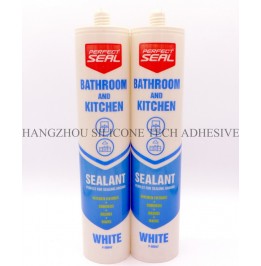
1. Cleaning the Grout Lines
Start by removing dirt, soap scum, or old sealant from the grout lines. Use a stiff-bristled brush and a mixture of warm water and mild detergent to scrub the seams thoroughly. For stubborn stains or mildew, apply a vinegar-water solution (1:1 ratio) and let it sit for 10–15 minutes before scrubbing. Rinse with clean water and dry the area completely using a microfiber cloth or a fan to speed up the process.
2. Selecting the Right Sealant Type
Choose between water-based or solvent-based sealants based on your tile material and environment. Water-based formulas are easier to clean and eco-friendly, while solvent-based options offer stronger protection for porous tiles like natural stone. Ensure the sealant is labeled for indoor use and compatible with your grout type (e.g., sanded or unsanded).
3. Gathering Application Tools
You’ll need a grout sealant bottle with an applicator tip, a small paintbrush or foam brush for tight corners, and disposable gloves to protect your hands. For larger areas, consider using a roller applicator or a spray bottle (if the sealant is designed for it). Keep a damp cloth nearby to wipe away excess product immediately.
1. Testing the Sealant First
Before tackling the entire surface, test the sealant on a small, inconspicuous area of grout. This helps verify compatibility with your tile and ensures the finish meets your expectations. Wait 24 hours to check for discoloration or adhesion issues.
2. Techniques for Even Coverage
Hold the applicator tip at a 45-degree angle to the grout line and apply steady pressure to release a thin, consistent bead of sealant. Move slowly along the seam, overlapping slightly to avoid gaps. For vertical surfaces, work from top to bottom to prevent drips. Use a foam brush to spread the sealant evenly into wider grout lines or irregular surfaces.
3. Removing Excess Sealant
Within 10–15 minutes of application, use a damp cloth to wipe away any sealant that has spread onto the tile surface. For textured tiles, wrap the cloth around a plastic scraper or an old credit card to reach into crevices without damaging the finish. Rinse the cloth frequently to avoid reapplying sealant accidentally.
1. Allowing Proper Curing Time
Let the sealant cure undisturbed for at least 24–48 hours, depending on the manufacturer’s instructions. Avoid exposing the area to water, steam, or heavy foot traffic during this period. For showers or bathtubs, delay use until the sealant is fully hardened to prevent premature wear.
2. Checking for Uniform Protection
After curing, perform a water test by sprinkling water on the grout lines. If the water beads up, the sealant is working effectively. If it absorbs into the grout, apply a second coat following the same steps. Pay extra attention to high-traffic zones like floor tiles near sinks or stoves.
3. Long-Term Maintenance Tips
Clean sealed grout monthly using a pH-neutral cleaner and a soft brush to avoid eroding the protective layer. Avoid harsh chemicals like bleach or ammonia, which can degrade the sealant over time. Reapply sealant every 1–2 years, or sooner if you notice signs of wear such as fading or cracking.
By following these steps, homeowners can achieve a professional-looking finish that extends the lifespan of their tiled surfaces. Attention to detail during preparation, application, and maintenance ensures lasting protection against moisture and stains.
Copyright 2019 by Hangzhou Silicone Tech Adhesive Co., Ltd. All rights reserved.
Bathroom Sealant | Acrylic Sealant | Dow Corning 795 | Aquarium Sealant | Dow Corning 732 | Clear Silicone Sealant | Polysulfide Sealant | Glazing Sealant | Mirror Sealant | IG Sealant
Powered by Onepound


