E-mail:
sales@silicone-sealant-china.com

Mastering Bathroom Corner Sealant Application: Techniques for a Waterproof Finish
Sealing bathroom corners properly is critical to preventing water infiltration, mold, and structural damage in wet areas like showers, bathtubs, and sinks. This guide provides actionable tips for achieving a smooth, durable seal in tricky angles and joints.
1. Cleaning and Inspecting the Joints
Start by removing old sealant, dirt, or mildew from the corner joints. Use a plastic scraper or a utility knife to gently scrape away degraded material, taking care not to scratch adjacent tiles or fixtures. For stubborn residue, apply a mixture of equal parts water and white vinegar, let it sit for 10–15 minutes, then scrub with a stiff-bristled brush. Rinse thoroughly and dry the area with a clean cloth or a hairdryer on a cool setting to ensure no moisture remains.
2. Selecting the Right Sealant Consistency
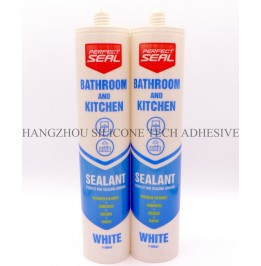
Choose a silicone-based sealant with a medium viscosity for bathroom corners—it should be thick enough to stay in place but pliable enough to fill irregular gaps. Avoid overly stiff formulas, which may crack in tight angles, or runny ones that sag before curing. If working with vertical corners, opt for a self-leveling variant to minimize manual smoothing.
3. Gathering Essential Application Tools
You’ll need a caulking gun fitted with a sealant cartridge, a 45-degree or 90-degree applicator nozzle (depending on the corner angle), and a damp sponge or cloth for wiping excess. For precision work, keep a small artist’s brush or a foam roller to push sealant into narrow crevices. Disposable gloves will protect your hands from sticky residue.
1. Techniques for Vertical Corners (e.g., Wall-to-Wall Joints)
Start at the top of the corner and work downward to prevent drips. Hold the caulking gun at a 45-degree angle to the joint, applying steady pressure to release a consistent bead of sealant. Use the nozzle to guide the material into the corner, filling the gap completely. For wider joints, apply the sealant in two passes: first a base layer, then a second pass to ensure full coverage.
2. Handling Horizontal Corners (e.g., Wall-to-Floor Joints)
Apply sealant in a continuous motion from one end of the joint to the other. For horizontal surfaces, maintain a slight upward angle with the nozzle to counteract gravity and keep the sealant in place. If the joint is uneven, use the tip of the nozzle or a plastic spatula to press the sealant into low spots before smoothing.
3. Smoothing and Shaping the Seal
Within 5–10 minutes of application, use a damp finger or a plastic caulking tool to shape the sealant into a concave curve. This promotes water runoff and prevents standing moisture. For tight corners, wrap a damp cloth around your finger to avoid sharp edges that could trap dirt. Wipe away excess material immediately to avoid a messy finish.
1. Preventing Air Bubbles and Gaps
Apply sealant in one continuous motion without stopping mid-joint, as pauses can create weak spots. For deep corners, use the nozzle to push sealant into the base of the joint before smoothing. If bubbles form, slice them open with a sharp blade, refill the gap, and re-smooth the area.
2. Managing Curing Conditions
Allow the sealant to cure undisturbed for at least 24–48 hours, depending on humidity and temperature. High humidity can slow curing, while dry, warm conditions accelerate it. Avoid exposing fresh seals to water, steam, or direct sunlight during this period. For showers, delay use until the sealant is fully hardened to prevent premature wear.
3. Long-Term Maintenance Tips
Inspect sealed corners monthly for cracks, peeling, or discoloration. Clean the area gently with a mild detergent and a soft brush to remove soap scum or grime. Avoid abrasive cleaners or scrubbers, which can erode the sealant. Reapply sealant every 2–3 years, or sooner if you notice signs of deterioration.
By following these techniques, homeowners can achieve professional-grade results that protect bathroom corners from water damage for years. Attention to detail during preparation, application, and curing ensures a seamless, long-lasting seal.
Copyright 2019 by Hangzhou Silicone Tech Adhesive Co., Ltd. All rights reserved.
Bathroom Sealant | Acrylic Sealant | Dow Corning 795 | Aquarium Sealant | Dow Corning 732 | Clear Silicone Sealant | Polysulfide Sealant | Glazing Sealant | Mirror Sealant | IG Sealant
Powered by Onepound


