E-mail:
sales@silicone-sealant-china.com

How to Apply Bathroom Glass Sealant: A Step-by-Step Guide
Proper application of glass sealant in bathrooms is crucial for preventing water damage, mold growth, and structural deterioration. This guide outlines a systematic approach to achieving durable, waterproof seals in wet areas like shower enclosures, bathtub edges, and sink counters.
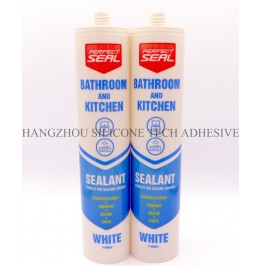
1. Surface Cleaning and Inspection
Begin by thoroughly cleaning the joint surfaces to remove dirt, grease, old sealant, or soap scum. Use a solvent-based cleaner (e.g., isopropyl alcohol) and a non-abrasive scrub pad for stubborn residues. For concrete or tile, ensure the surface is free of loose particles. Allow the area to dry completely—moisture trapped beneath the sealant can lead to adhesion failure.
2. Removing Old Sealant
Use a utility knife or a specialized sealant removal tool to carefully scrape away degraded material. For tight corners, a plastic scraper prevents surface damage. Aim to remove at least 95% of the old sealant to ensure proper adhesion of the new layer.
3. Protecting Adjacent Surfaces
Apply painter’s tape along both edges of the joint, leaving a 1–2mm gap between the tape and the seam. This creates a clean, straight finish and prevents excess sealant from smearing onto tiles or fixtures. For curved surfaces, use overlapping segments of tape and trim the edges at a 45° angle for a seamless transition.
1. Selecting the Right Tool and Nozzle
Equip a caulking gun with a cartridge of silicone-based bathroom sealant (neutral-cure formulas are ideal for metal, glass, and stone). Cut the nozzle at a 45° angle, adjusting the opening size to match the joint width—typically 6–12mm for most bathroom applications. A smaller nozzle ensures precise control, while a wider cut suits larger gaps.
2. Technique for Smooth Application
Hold the gun at a consistent 45° angle to the surface and apply steady pressure on the trigger. Move the tool along the joint at a speed of 10–15cm per second, maintaining uniform pressure to avoid lumps or air pockets. For joints wider than 15mm, apply the sealant in two layers: the first as a base coat, followed by a second pass to fill any voids.
3. Shaping and Finishing the Seal
Within 30 minutes of application, use a plastic spatula or a dampened finger (dipped in soapy water) to smooth the sealant into a concave arc. This shape enhances water runoff and prevents standing moisture. Immediately remove the painter’s tape by pulling it at a 45° angle away from the joint. Wipe away any residue with a damp cloth before the sealant skins over.
1. Curing Time and Environmental Control
Allow the sealant to cure undisturbed for at least 24 hours, though full hardening may take up to 7 days depending on thickness and humidity. Maintain room temperature between 15–25°C and relative humidity below 85% to accelerate curing. Avoid exposing fresh seals to water or steam during this period.
2. Quality Checks and Maintenance
Inspect the seal for uniformity, ensuring no gaps or bubbles are present. Test adhesion by gently pressing the sealant with a blunt tool—it should feel firm but slightly elastic. For long-term durability, clean the seal monthly with a mild detergent and avoid abrasive scrubbers that could erode the surface.
3. Addressing Common Issues
If bubbles form, slice them open with a sharp blade, inject fresh sealant, and re-smooth the area. For minor cracks, apply a thin bead of sealant and blend it into the existing layer. Persistent mold growth may indicate inadequate ventilation; improve airflow or switch to a mold-resistant formula.
By following these steps, homeowners can achieve professional-grade results that protect bathroom structures from water intrusion for years. Attention to detail during preparation, application, and curing ensures a seamless, long-lasting seal.
Copyright 2019 by Hangzhou Silicone Tech Adhesive Co., Ltd. All rights reserved.
Bathroom Sealant | Acrylic Sealant | Dow Corning 795 | Aquarium Sealant | Dow Corning 732 | Clear Silicone Sealant | Polysulfide Sealant | Glazing Sealant | Mirror Sealant | IG Sealant
Powered by Onepound


