E-mail:
sales@silicone-sealant-china.com

Bathroom sealants play a critical role in preventing water infiltration, mold growth, and structural damage. However, their effectiveness diminishes over time due to environmental exposure, material degradation, and wear. This guide explores the factors influencing sealant longevity, signs indicating replacement needs, and best practices for maintaining optimal performance.
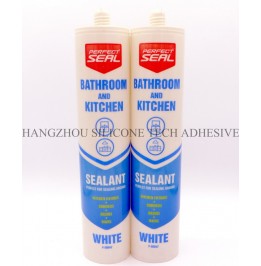
The durability of bathroom sealants depends heavily on their chemical formulation. Silicone-based sealants, commonly used in wet areas like showers and sinks, typically last 10–15 years under ideal conditions. These products resist moisture, temperature fluctuations, and microbial growth, making them suitable for high-humidity environments.
Polyurethane sealants, while offering strong adhesion and flexibility, may degrade faster in constant moisture, with lifespans averaging 8–12 years. Acrylic sealants, often used for quick repairs or low-moisture zones, have shorter lifespans of 5–8 years due to their lower resistance to water and UV exposure.
Low-quality or improperly mixed sealants, including those containing recycled materials, may fail within 3–5 years, even in controlled environments. Always prioritize products meeting industry standards for waterproofing and mold resistance.
Bathrooms with poor ventilation or frequent temperature swings accelerate sealant deterioration. For example, steam from hot showers can cause sealants to soften or crack over time, while cold snaps may lead to contraction and separation from surfaces.
High-traffic areas, such as commercial restrooms or family bathrooms, experience more physical stress, reducing sealant lifespan by 30–50% compared to low-use spaces. Similarly, exposure to harsh cleaning chemicals (e.g., bleach-based products) can erode sealants prematurely, necessitating earlier replacement.
Proper application is as crucial as material selection. Sealants must be applied to clean, dry surfaces free of dust, grease, or old residue. Incorrect techniques, such as uneven bead sizing or incomplete coverage, create weak points where water can penetrate.
For instance, a study found that sealants applied without masking tape or proper tooling had a 40% higher failure rate within five years compared to those installed following best practices. Hiring certified professionals or adhering to manufacturer guidelines ensures optimal adhesion and longevity.
Cracks along sealant beads are early indicators of degradation. These fissures allow water to seep into underlying structures, causing rot, mold, or tile loosening. Small cracks may temporarily be sealed with specialized fillers, but widespread damage requires full removal and reapplication.
Gaps between the sealant and surfaces (e.g., bathtub edges, sink counters) signal adhesion failure. This often occurs due to substrate movement, thermal expansion, or chemical breakdown. Replacing compromised sealants prevents costly water damage repairs.
Persistent mold or mildew on sealant surfaces suggests trapped moisture, even if no visible cracks exist. Some sealants contain antimicrobial additives to inhibit growth, but these lose effectiveness over time. Dark spots, musty odors, or powdery residue indicate microbial colonization, requiring immediate action.
Scrubbing with bleach may temporarily clean affected areas, but it does not address the root cause. Replacing old sealants with mold-resistant formulations ensures long-term protection, especially in humid climates.
Sealants may yellow or harden due to UV exposure, oxidation, or chemical reactions. While discoloration alone may not affect functionality, brittleness reduces flexibility, making the sealant prone to cracking under stress.
Test hardness by gently pressing a fingernail into the sealant. If it leaves a mark or crumbles, the material has lost its elasticity and should be replaced. This is common in acrylic sealants exposed to direct sunlight or heat sources like radiators.
Schedule monthly checks for cracks, gaps, or mold, focusing on high-risk zones like shower corners, sink drains, and toilet bases. Use a mild, non-abrasive cleaner to remove soap scum or grime without damaging the sealant. Avoid steel wool or harsh chemicals that may scratch surfaces or accelerate wear.
For mold-prone areas, wipe with a solution of equal parts water and vinegar, which inhibits growth without harsh side effects. Ensure thorough drying after cleaning to prevent moisture retention.
Minor issues, such as isolated cracks or small mold spots, may be addressed with targeted repairs. Use a utility knife to remove damaged sections, clean the area with alcohol, and apply a fresh bead of sealant. Allow full curing (typically 24–72 hours) before exposing to water.
However, if more than 20–30% of the sealant shows signs of failure, or if repairs fail within six months, opt for full replacement. This ensures uniform protection and avoids recurring problems.
For large-scale projects or structural concerns (e.g., water damage behind walls), consult a certified waterproofing specialist. They can assess the extent of degradation, recommend suitable materials, and ensure compliance with building codes.
Professionals also have access to industrial-grade sealants with extended lifespans (e.g., 20+ years for high-performance polyurethanes), which may justify higher upfront costs for long-term savings.
By understanding these factors and adopting proactive maintenance, homeowners can maximize the lifespan of bathroom sealants, safeguarding their properties against water damage and costly repairs.
Copyright 2019 by Hangzhou Silicone Tech Adhesive Co., Ltd. All rights reserved.
Bathroom Sealant | Acrylic Sealant | Dow Corning 795 | Aquarium Sealant | Dow Corning 732 | Clear Silicone Sealant | Polysulfide Sealant | Glazing Sealant | Mirror Sealant | IG Sealant
Powered by Onepound


