E-mail:
sales@silicone-sealant-china.com

Sealing Glass-to-Tile Joints: Expert Techniques for Long-Lasting Results
Properly sealing the joints between glass and tile surfaces is essential for preventing water damage, mold growth, and structural weakening. This guide provides actionable steps to achieve a clean, durable seal that withstands humidity and temperature changes.
1. Clearing Debris and Old Sealant
Start by removing any existing sealant, dust, or loose particles from the joint. Use a plastic scraper or a non-abrasive putty knife to gently pry away degraded material, taking care not to scratch the glass or tile. For stubborn residue, dampen a cloth with a mixture of water and mild detergent, then scrub the joint in a back-and-forth motion. Avoid using sharp tools or metal scrapers, which can leave permanent marks on delicate surfaces.
2. Cleaning with a Non-Acidic Solution
After removing old sealant, clean the joint with a pH-neutral cleaner to eliminate grease, soap scum, or mineral deposits. Mix a few drops of dish soap with warm water and apply it to the area using a soft sponge. For tougher stains, let the solution sit for 2–3 minutes before scrubbing lightly. Rinse thoroughly with clean water and dry the joint completely with a lint-free cloth—moisture trapped under fresh sealant can lead to bubbling or poor adhesion.
3. Ensuring the Joint is Structurally Sound
Inspect the joint for cracks, gaps, or uneven edges. If the glass or tile is loose, tighten any fasteners or reposition the material before sealing. For small gaps, use a backer rod (a flexible foam strip) to fill the space, ensuring the sealant adheres only to the surfaces and not deep within the joint. This step helps prevent excessive sealant use and creates a more uniform finish.
1. Selecting a Flexible, Waterproof Sealant
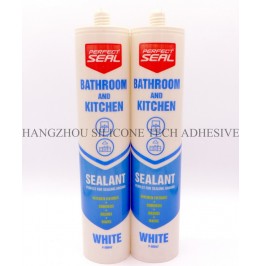
Opt for a silicone-based sealant designed for high-moisture areas, as it remains pliable over time and resists cracking. Ensure the product is compatible with both glass and tile surfaces to avoid chemical reactions that could weaken the bond. Avoid using acrylic or latex sealants, which may harden and shrink, leading to leaks. If the joint will be exposed to direct sunlight, choose a UV-resistant formula to prevent discoloration.
2. Applying the Sealant in a Continuous Bead
Load the sealant into a caulking gun fitted with a 45-degree nozzle. Hold the gun at a consistent angle to the joint and apply steady pressure on the trigger to release a smooth, even bead. Start at one end of the joint and move steadily toward the other, maintaining a uniform speed to avoid lumps or thin spots. For vertical joints, work from top to bottom to prevent sagging. If the sealant starts to pool, pause and smooth it immediately with a damp finger.
3. Tooling the Sealant for a Professional Finish
Within 5–10 minutes of application, use a damp, rounded tool (like a caulking finisher or a plastic spoon wrapped in cloth) to shape the sealant into a concave curve. This profile encourages water to run off the surface instead of pooling in the joint, reducing the risk of leaks. Press gently to avoid thinning the sealant below the recommended thickness, and wipe away excess material with a damp cloth before it cures.
1. Avoiding Disturbance During Curing
Allow the sealant to cure fully according to the manufacturer’s instructions—typically 24–48 hours—before exposing it to water or movement. Keep the area dry and avoid touching or cleaning the joint during this time. Curing times may vary based on humidity and temperature, so check the product guidelines for specifics. Premature exposure to moisture can weaken the seal and lead to premature failure.
2. Inspecting the Seal Regularly for Wear
Periodically check the joint for signs of cracking, peeling, or discoloration, especially in high-traffic or moisture-prone areas. If the sealant shows wear, remove the damaged section and reapply fresh material following the same preparation and application steps. For joints near sinks, showers, or windows, inspect more frequently, as these areas experience frequent temperature changes and water exposure.
3. Cleaning the Sealed Joint Gently
When cleaning the glass and tile surfaces, avoid using abrasive tools or harsh chemicals that could degrade the sealant. Use a soft cloth or sponge with mild detergent and water, and rinse thoroughly. For stubborn stains near the joint, apply gentle pressure without scrubbing directly on the sealant. If the joint becomes dirty over time, a damp cloth with a small amount of isopropyl alcohol can help remove grime without damaging the material.
By following these techniques, homeowners can create a watertight, aesthetically pleasing seal between glass and tile surfaces that lasts for years. Attention to preparation, application, and maintenance ensures the joint remains protected against moisture and environmental factors.
Copyright 2019 by Hangzhou Silicone Tech Adhesive Co., Ltd. All rights reserved.
Bathroom Sealant | Acrylic Sealant | Dow Corning 795 | Aquarium Sealant | Dow Corning 732 | Clear Silicone Sealant | Polysulfide Sealant | Glazing Sealant | Mirror Sealant | IG Sealant
Powered by Onepound


