E-mail:
sales@silicone-sealant-china.com

Preparing Bathroom Countertop Surfaces Before Sealant Application: Essential Cleaning Steps
Properly cleaning bathroom countertops before applying sealant ensures strong adhesion, prevents premature cracking, and extends the lifespan of the protective layer. This guide outlines a detailed process to remove dirt, residue, and contaminants that could compromise the sealant’s performance.
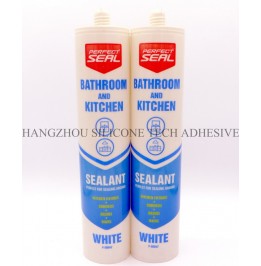
1. Clearing the Countertop of Clutter and Dust
Start by removing all items from the countertop, including toiletries, decor, and appliances. Use a soft-bristled brush or a microfiber cloth to sweep away loose dust, hair, and debris. Pay attention to corners and edges where dirt tends to accumulate. For textured surfaces like stone or concrete, gently brush in circular motions to dislodge trapped particles without scratching the material.
2. Wiping Down the Surface with a Dry Cloth
After sweeping, use a clean, dry microfiber cloth to wipe the entire countertop. This step removes finer dust particles that a brush might miss. Work in sections, applying light pressure to avoid pushing dirt into grout lines or porous materials. If the countertop has a matte finish, avoid using abrasive cloths that could leave scratches or dull the surface.
3. Addressing Stubborn Dust in Grout Lines
Grout lines between tiles or slab sections often trap dust and grime. Use a narrow, soft-bristled brush (like an old toothbrush) to gently scrub these areas. For deeper cleaning, dampen the brush slightly with water, but avoid soaking the grout, as excess moisture can weaken it before sealant application. Let the grout dry completely before proceeding to the next step.
1. Choosing the Right Cleaning Solution for Your Countertop Material
Select a pH-neutral cleaner suitable for your countertop material—stone, laminate, or solid surface. Avoid acidic or abrasive cleaners, which can etch or damage the surface. For general cleaning, mix a few drops of mild dish soap with warm water. For tougher stains like soap scum or hard water deposits, a solution of equal parts water and white vinegar (avoid vinegar on natural stone) can be effective.
2. Applying the Cleaner and Scrubbing Gently
Dampen a soft sponge or cloth with your chosen cleaner and wring out excess liquid. Wipe the countertop in sections, focusing on areas with visible stains or buildup. For stubborn spots, let the cleaner sit for 2–3 minutes before scrubbing lightly with a non-abrasive pad. Avoid using steel wool or harsh scrubbers, which can leave scratches or pits in the surface.
3. Rinsing Thoroughly to Remove Cleaning Residue
After scrubbing, rinse the countertop with clean water to remove all traces of the cleaning solution. Use a damp cloth or sponge to wipe away residue, ensuring no soapy film remains. For large countertops, fill a bucket with fresh water and rinse the cloth frequently to avoid reapplying dirt or cleaner. Residue left behind can interfere with sealant adhesion, leading to peeling or uneven curing.
1. Removing All Moisture from the Countertop
Use a clean, dry microfiber cloth to thoroughly dry the countertop after rinsing. Pay special attention to grout lines and edges, where water tends to pool. For porous materials like natural stone, allow the surface to air-dry for an additional 30–60 minutes to ensure no trapped moisture remains. Moisture under sealant can cause bubbling or discoloration during curing.
2. Checking for Lingering Stains or Damage
Inspect the countertop for any remaining stains, scratches, or chips. If you notice discoloration that didn’t come out during cleaning, consider using a specialized stain remover (if compatible with your material) before sealing. For minor scratches, lightly sand the area with fine-grit sandpaper (if the material allows), then wipe away dust with a damp cloth and dry completely.
3. Creating a Clean Work Environment for Sealant Application
Ensure the surrounding area is free of dust and debris by wiping down nearby walls, cabinets, and fixtures. Close windows or turn off fans to minimize airflow, which can introduce dust onto the wet sealant. Lay down drop cloths or old towels to protect the floor from accidental drips. A clean, controlled environment helps achieve a smooth, professional finish.
By following these steps, homeowners can prepare their bathroom countertops for sealant application with confidence. A thoroughly cleaned and dried surface ensures the sealant bonds properly, providing lasting protection against moisture, stains, and daily wear.
Copyright 2019 by Hangzhou Silicone Tech Adhesive Co., Ltd. All rights reserved.
Bathroom Sealant | Acrylic Sealant | Dow Corning 795 | Aquarium Sealant | Dow Corning 732 | Clear Silicone Sealant | Polysulfide Sealant | Glazing Sealant | Mirror Sealant | IG Sealant
Powered by Onepound


