E-mail:
sales@silicone-sealant-china.com

How to Apply Sealant Evenly Around a Toilet Base: A Step-by-Step Guide
Ensuring a uniform seal around your toilet base is critical for preventing leaks, odors, and water damage. This guide breaks down the process into clear steps, focusing on techniques to achieve a smooth, consistent application without gaps or excess material.
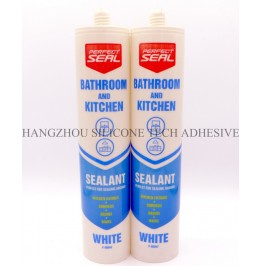
1. Cleaning the Toilet Base and Floor
Start by removing old sealant, dust, or debris from the area where the toilet meets the floor. Use a plastic scraper or a putty knife to gently pry away degraded material, taking care not to scratch the porcelain or flooring. For stubborn residue, dampen a cloth with a mixture of water and mild detergent, then scrub the joint thoroughly. Rinse with clean water and dry the surface completely using a towel or a hairdryer on a cool setting—moisture under fresh sealant can prevent proper adhesion.
2. Selecting the Right Sealant Consistency
Choose a silicone-based sealant with a medium viscosity for toilet bases. It should be thick enough to stay in place but pliable enough to fill irregular gaps between the toilet and floor. Avoid overly stiff formulas, which may crack in tight spaces, or runny ones that sag before curing. If the floor is uneven, opt for a self-leveling variant to minimize manual smoothing.
3. Gathering Essential Application Tools
You’ll need a caulking gun fitted with a sealant cartridge, a 45-degree applicator nozzle, and a damp sponge or cloth for wiping excess. For precision work, keep a small artist’s brush or a foam roller to push sealant into narrow crevices. Disposable gloves will protect your hands from sticky residue, and masking tape can help create clean edges if you’re new to the process.
1. Starting the Application Process
Position the caulking gun at the back of the toilet base, where it meets the wall or floor. Hold the nozzle at a 45-degree angle to the joint, pressing gently on the trigger to release a steady stream of sealant. Begin moving the gun forward along the joint, maintaining a consistent speed to avoid uneven thickness. If the sealant starts to sag, pause and smooth it immediately with a damp finger before continuing.
2. Maintaining Consistent Pressure and Speed
Steady pressure on the caulking gun is key to an even bead. Squeeze the trigger gently and avoid sudden bursts, which can create lumps or air pockets. For longer joints, practice on scrap material first to get a feel for the flow rate. If the sealant becomes too thick in spots, use the nozzle to scrape it back slightly, then reapply pressure to resume a smooth flow.
3. Managing Corners and Tight Spaces
When reaching corners, rotate the caulking gun to maintain the 45-degree angle, ensuring the sealant fills the joint completely. For narrow gaps between the toilet and floor tiles, use the tip of the nozzle or a plastic spatula to press the material into place. If the joint is irregular, apply sealant in two passes: a base layer to fill gaps, followed by a second pass to create a uniform surface.
1. Creating a Clean, Concave Profile
Within 5–10 minutes of application, use a damp finger or a plastic caulking tool to shape the sealant into a concave curve. This profile encourages water to run off the surface instead of pooling, reducing the risk of leaks. Press gently to avoid thinning the sealant below the recommended thickness while maintaining a smooth, even finish.
2. Removing Excess Material Without Disturbing the Seal
Wipe away stray sealant immediately with a damp cloth or sponge. For precise control, wrap the cloth around your finger and run it along the joint at a 45-degree angle. If the sealant is too thick in spots, use the edge of the caulking tool to scrape it down to the correct level before re-smoothing. Avoid over-wiping, which can create uneven patches or remove too much material.
3. Inspecting for Uniformity and Addressing Imperfections
Run your finger lightly along the sealed joint to feel for inconsistencies. The surface should feel smooth and even, with no thin spots or lumps. Use a flashlight to inspect the joint from different angles—shadowed areas may indicate uneven thickness. If you notice gaps or excess material, add or remove sealant as needed, then re-smooth the area before it cures.
By following these steps, homeowners can achieve a durable, waterproof seal around their toilet base that looks professional and functions effectively. Attention to detail during preparation, application, and shaping ensures long-lasting protection against leaks and moisture damage.
Copyright 2019 by Hangzhou Silicone Tech Adhesive Co., Ltd. All rights reserved.
Bathroom Sealant | Acrylic Sealant | Dow Corning 795 | Aquarium Sealant | Dow Corning 732 | Clear Silicone Sealant | Polysulfide Sealant | Glazing Sealant | Mirror Sealant | IG Sealant
Powered by Onepound


