E-mail:
sales@silicone-sealant-china.com

Mastering Angle Adjustments for Bathroom Sealant Caulk Guns: A Step-by-Step Guide
Applying sealant in bathroom joints—such as around sinks, showers, or tiles—requires precision to ensure a watertight finish. Adjusting the angle of your caulk gun correctly plays a critical role in controlling the flow and placement of the sealant. This guide explains how to optimize the tool’s angle for different surfaces and joints, minimizing waste and achieving professional results.
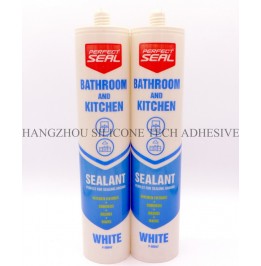
1. How Angle Impacts Sealant Flow and Control
The angle at which you hold the caulk gun directly affects how the sealant exits the nozzle and adheres to the joint. A steeper angle (closer to 90 degrees relative to the surface) can cause the sealant to pool or drip, especially on vertical surfaces like shower walls. Conversely, a shallower angle (around 30–45 degrees) allows for smoother, more controlled application, reducing the risk of overfilling or uneven beads. Experimenting with angles on scrap material first helps you find the sweet spot for your specific project.
2. Adjusting for Different Joint Types and Surfaces
Bathroom joints vary in width, depth, and orientation, requiring tailored angle adjustments. For narrow, shallow joints (e.g., between tiles), a lower angle helps the sealant settle into the gap without overflowing. For wider or deeper joints (e.g., around a bathtub edge), a slightly steeper angle ensures the sealant fills the space completely. When working on curved surfaces like rounded sink edges, pivot the gun gradually to maintain consistent pressure and bead width. Always align the nozzle with the joint’s centerline for optimal coverage.
3. Avoiding Common Mistakes in Angle Adjustment
One frequent error is holding the gun too upright, which forces sealant out too quickly and creates messy, uneven lines. Another mistake is tilting the gun too far forward, causing the sealant to smear or drag across the surface instead of flowing cleanly into the joint. To prevent these issues, keep your wrist steady and adjust the gun’s tilt in small increments as you move along the joint. If the sealant starts to sag or blob, pause and reposition the gun at a shallower angle before continuing.
1. Starting with a Steady Grip and Posture
Hold the caulk gun with a firm but relaxed grip, keeping your dominant hand near the trigger and your other hand supporting the barrel for stability. Stand or kneel in a position that lets you move smoothly along the joint without twisting your body. For overhead joints (e.g., ceiling-to-wall seams), brace your elbow against a stable surface to maintain control. A steady posture reduces hand fatigue and ensures consistent angle adjustments throughout the application.
2. Applying Even Pressure While Adjusting the Angle
Squeeze the trigger gently and consistently to release the sealant, avoiding sudden bursts that can disrupt the flow. As you move the gun along the joint, pivot it slightly to adapt to changes in surface direction or joint depth. For example, when transitioning from a horizontal to a vertical joint, gradually tilt the gun upward while maintaining the same pressure. If the sealant becomes too thick or thin, pause to check the nozzle for clogs or wear, then resume with adjusted pressure and angle.
3. Using Tooling Techniques to Refine the Sealant Bead
After applying the sealant, use a caulk finishing tool or a damp finger to shape the bead into a concave profile, which helps water run off and prevents pooling. Hold the tool at a shallow angle (around 30 degrees) and press lightly as you drag it along the joint. For vertical joints, work from top to bottom to avoid smearing. If the bead looks uneven, reapply a small amount of sealant at the correct angle and tool it again. This step ensures a clean, professional finish that enhances the seal’s durability.
1. Fixing Uneven or Broken Beads
Uneven beads often result from inconsistent angle adjustments or pressure fluctuations. If the bead is too thin in some areas, reapply sealant at a shallower angle to build up the joint. For overly thick sections, use a utility knife or caulk remover tool to trim excess material, then smooth the edges with a damp finger. Always wipe away residue immediately to prevent staining. When restarting a joint after a pause, overlap the new sealant slightly with the existing bead for a seamless transition.
2. Addressing Sealant That Won’t Adhere to the Joint
Poor adhesion can occur if the joint surface is dirty, wet, or improperly prepared. Before reapplying sealant, clean the area thoroughly with a mild detergent and water, then dry it completely. If the joint is too smooth (e.g., glossy tiles), lightly sand the surface with fine-grit sandpaper to create texture for the sealant to grip. Adjust the caulk gun angle to ensure the sealant is pressed firmly into the joint during application, and avoid over-tooling, which can pull the material away from the surface.
3. Preventing Air Bubbles or Void in the Sealant
Air bubbles or gaps in the sealant line usually stem from rapid application or incorrect nozzle cutting. To minimize air pockets, cut the nozzle at a 45-degree angle and pierce the inner seal with a long wire or pin before loading the gun. Apply the sealant slowly, maintaining a steady angle and pressure, to allow air to escape as the material fills the joint. If bubbles appear, pop them with a pin and smooth the area with a damp finger before the sealant cures.
By mastering angle adjustments and applying these techniques, you can achieve flawless sealant lines in bathroom joints that resist moisture and last for years. Practice on scrap surfaces to build confidence, and always prioritize clean, controlled movements for the best results.
Copyright 2019 by Hangzhou Silicone Tech Adhesive Co., Ltd. All rights reserved.
Bathroom Sealant | Acrylic Sealant | Dow Corning 795 | Aquarium Sealant | Dow Corning 732 | Clear Silicone Sealant | Polysulfide Sealant | Glazing Sealant | Mirror Sealant | IG Sealant
Powered by Onepound


