E-mail:
sales@silicone-sealant-china.com

Views: 865 Aug 31 , 2025
Seamless Techniques for Joining Old and New Sealant in Construction Projects Combining existing sealant with fresh material is a common challenge in renovations, repairs, or upgrades. Whether addressing cracks, expanding coverage, or replacing worn sections, improper衔接 can lead to weak joints, water infiltration, or uneven finishes. Understanding the steps to...
Views: 1262 Aug 31 , 2025
Precision Techniques for Applying Sealant in Tight Corner Spaces Small corners in bathrooms, kitchens, or utility areas often require careful sealing to prevent water damage, mold growth, or air leaks. These spaces—such as gaps between tiles, around sink fixtures, or along baseboards—are prone to neglect due to their awkward angles and limited access. Mastering the...
Views: 613 Aug 31 , 2025
Managing Temperature Conditions for Optimal Bathroom Sealant Application Temperature plays a critical role in the performance and longevity of bathroom sealants, influencing curing time, adhesion, and flexibility. Applying sealant in environments that are too hot, cold, or humid can lead to issues like cracking, bubbling, or poor bonding. Understanding how to control...
Views: 1273 Aug 25 , 2025
Expert Techniques for Applying Sealant on Curved Joints Working with curved joints presents unique challenges in sealant application, from ensuring even coverage to maintaining a smooth finish. Whether sealing around rounded fixtures, pipes, or architectural details, mastering these techniques helps prevent leaks and achieves a polished look. This guide covers...
Views: 605 Aug 25 , 2025
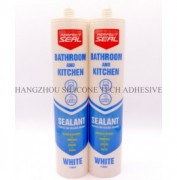
Choosing the Right Tools for Smoothing Bathroom Sealant After Application Applying bathroom sealant correctly is only half the battle—achieving a clean, professional finish requires the right tools for smoothing and shaping the material after application. The tools you select influence the sealant’s adhesion, durability, and overall appearance, especially in...
Views: 623 Aug 25 , 2025
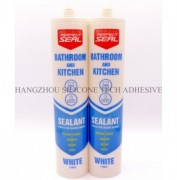
Effective Sealing Techniques for Metal Pipe Fittings Using Sealants Metal pipe fittings, commonly used in plumbing, HVAC, and industrial systems, require reliable sealing to prevent leaks, corrosion, and contamination. Proper application of sealants around these fittings ensures long-term performance, especially in environments exposed to moisture, chemicals, or...
Views: 571 Aug 24 , 2025
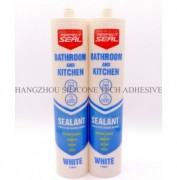
Combining Bathroom Sealant and Grout Enhancer for Durable, Waterproof Finishes Bathroom renovations often require balancing functionality and aesthetics, especially in areas exposed to moisture. While traditional sealants excel at preventing water infiltration around edges and fixtures, grout enhancers (commonly referred to as "grout sealers" or "color-enhancing...
Views: 770 Aug 24 , 2025
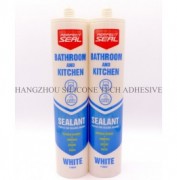
Layered Application Techniques for Sealing Wide Gaps in Bathrooms with Sealant When tackling bathroom joints with gaps exceeding 6–8 mm, a single layer of sealant often fails to provide adequate adhesion, flexibility, or waterproofing. Layered application—where multiple thin coats are built up over time—ensures the material fills the space completely without...
Views: 730 Aug 24 , 2025
Expert Techniques for Filling Irregular Joints with Sealant in Bathrooms Irregularly shaped seams—such as those around curved fixtures, uneven tiles, or custom-cut countertops—require a strategic approach to ensure complete coverage without air gaps or excess waste. Unlike straight, uniform joints, these spaces demand adaptability in both tool use and application...
Views: 637 Aug 21 , 2025
Mastering Sealant Extrusion Speed for Flawless Bathroom Applications Controlling the rate at which bathroom sealant exits the caulk gun is critical for achieving clean, consistent beads and avoiding waste. Too much pressure can lead to messy overflow, while too little may result in uneven coverage or air gaps. By refining your technique, you can adapt to different...

Views: 733 Aug 21 , 2025
Essential Techniques for Applying Bathroom Sealant in Humid Environments Bathrooms are inherently humid spaces, and applying sealant in such conditions demands extra care to ensure adhesion, durability, and mold resistance. Moisture in the air can interfere with curing, weaken bonds, and trap water beneath the sealant, leading to premature failure. Follow these...
Views: 663 Aug 21 , 2025
Smoothing and Refining Sealant Surfaces Before Full Curing for a Flawless Finish Achieving a clean, professional sealant finish requires timely and precise surface adjustments before the material hardens. Uncured sealant is pliable, allowing you to correct imperfections like uneven beads, air bubbles, or excess material. Here’s how to refine your work for a seamless...
Copyright 2019 by Hangzhou Silicone Tech Adhesive Co., Ltd. All rights reserved.
Bathroom Sealant | Acrylic Sealant | Dow Corning 795 | Aquarium Sealant | Dow Corning 732 | Clear Silicone Sealant | Polysulfide Sealant | Glazing Sealant | Mirror Sealant | IG Sealant
Powered by Onepound


