E-mail:
sales@silicone-sealant-china.com

Views: 666 Aug 10 , 2025
Effective Techniques for Sealing Around the Base of a Toilet in Bathrooms Properly sealing the base of a toilet is essential to prevent water leaks, unpleasant odors, and structural damage caused by moisture infiltration. A well-applied sealant creates a barrier that keeps water from seeping into the subfloor while maintaining a clean, professional appearance. Below are...
Views: 701 Aug 10 , 2025
Step-by-Step Guide to Applying Sealant Around Bathroom Sink Edges Properly sealing the edges of a bathroom sink prevents water from seeping into cabinets, causing rot, mold, or structural damage. A clean, precise application ensures durability and maintains a polished appearance. Below are practical steps to achieve a watertight seal...
Views: 603 Aug 10 , 2025
Essential Tips for Applying Sealant Around Shower Screens in Bathrooms Properly sealing the gaps around shower screens is critical to preventing water damage, mold growth, and structural issues in bathrooms. The right application technique ensures a watertight barrier that withstands daily moisture exposure and temperature changes. Below are practical guidelines for...
Views: 727 Aug 07 , 2025
Key Considerations for Applying Bathroom Sealant During Winter Construction Projects Winter conditions introduce unique challenges for bathroom sealant applications, from temperature fluctuations to increased humidity levels. These factors can affect curing times, adhesion, and long-term durability. To ensure a successful installation, understanding and addressing these...
Views: 606 Aug 07 , 2025
Achieving a Professional Finish: Surface Finishing Techniques for Bathroom Sealant Properly finishing bathroom sealant not only enhances its appearance but also ensures durability and water resistance. Uneven or poorly shaped sealant can trap moisture, leading to mold growth or premature failure, while a smooth finish directs water away from joints. Here’s how to refine...
Views: 683 Aug 06 , 2025
How to Apply Sealant to Irregular Joints in Bathrooms for a Waterproof Finish Irregular joints in bathrooms, such as those around uniquely shaped tiles, curved fixtures, or uneven transitions between materials, require specialized techniques to ensure a durable, waterproof seal. Unlike straight or predictable seams, these areas demand adaptability and precision to prevent...
Views: 598 Aug 06 , 2025
Effective Techniques for Applying Horizontal Surface Bathroom Sealant Sealing horizontal surfaces in bathrooms, such as countertop edges, sink basins, and shower tray perimeters, demands precision to prevent water infiltration and structural damage. Unlike vertical areas, gravity affects the flow and curing of sealant on flat planes, requiring tailored methods for success....

Views: 718 Aug 06 , 2025
How to Apply Vertical Surface Bathroom Sealant for Long-Lasting Waterproofing Properly sealing vertical surfaces in bathrooms, such as shower walls, bathtub edges, and backsplashes, is essential to prevent water damage and mold growth. Unlike horizontal surfaces, vertical areas require specific techniques to ensure the sealant adheres correctly and remains durable. Here’s...
Views: 591 Aug 05 , 2025
Reapplying Bathroom Sealant: A Step-by-Step Guide for a Durable Finish When bathroom sealant shows signs of wear, such as cracking, discoloration, or mold growth, reapplying it is essential to maintain waterproofing and prevent structural damage. Unlike initial applications, secondary sealing requires careful preparation to ensure adhesion and longevity. Below are detailed...
Views: 651 Aug 05 , 2025
How to Smooth Bathroom Sealant for a Professional Finish Achieving a flawless, waterproof seal in your bathroom requires precision when applying and smoothing sealant. Uneven or lumpy seals can trap moisture, leading to mold or leaks. Below are step-by-step techniques to ensure a clean, durable finish without relying on specialized tools. Preparing the...
Views: 1399 Aug 04 , 2025
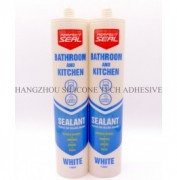
Mastering Bathroom Sealant Thickness: Key Techniques for Durability and Performance Achieving the right sealant thickness in bathrooms is critical for preventing leaks, resisting mold, and ensuring long-term adhesion. Too thin, and the seal may fail under pressure or moisture exposure; too thick, and it risks cracking or taking too long to cure. Here’s how to balance...
Views: 664 Aug 04 , 2025
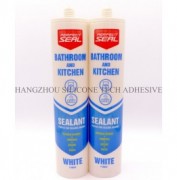
Applying Bathroom Sealant in Tight Spaces: Expert Techniques for Flawless Results Working with sealant in narrow bathroom areas like corners, gaps between tiles, or around fixtures requires precision and patience. Poor application in these zones can lead to leaks, uneven finishes, or wasted material. Here’s how to tackle confined spaces...
Copyright 2019 by Hangzhou Silicone Tech Adhesive Co., Ltd. All rights reserved.
Bathroom Sealant | Acrylic Sealant | Dow Corning 795 | Aquarium Sealant | Dow Corning 732 | Clear Silicone Sealant | Polysulfide Sealant | Glazing Sealant | Mirror Sealant | IG Sealant
Powered by Onepound


