E-mail:
sales@silicone-sealant-china.com

Views: 998 Sep 17 , 2025
Managing Time Intervals Between Layers in Multi-Coat Sealant Applications Applying sealant in multiple layers enhances durability, flexibility, and waterproofing, especially in high-traffic or moisture-prone areas like bathrooms or kitchens. However, the success of this approach hinges on precise timing between layers. Rushing the process can lead to poor adhesion,...
Views: 7021 Sep 17 , 2025
Timing for Waterproof Testing After Sealant Application: Key Considerations for Effective Results Performing a waterproof test after applying sealant is critical to verify its performance and prevent future leaks. However, rushing the test or waiting too long can compromise accuracy or damage the seal. Understanding the right timing involves evaluating factors like...
Views: 659 Sep 17 , 2025
Managing Humidity Levels During Bathroom Sealant Application for Long-Lasting Results Bathroom sealant projects demand precise humidity control to ensure proper adhesion, curing, and durability. Excess moisture or overly dry conditions can compromise the sealant’s performance, leading to mold growth, cracking, or peeling. Understanding how to monitor and adjust...
Views: 622 Sep 15 , 2025
Curved Glass Joint Sealant Application Techniques for Flawless Results Sealing curved glass joints requires precision to ensure weather resistance, structural integrity, and aesthetic appeal. Whether for architectural facades, shower enclosures, or automotive glass, improper application can lead to leaks, air infiltration, or unsightly gaps. Below are step-by-step...
Views: 1558 Sep 15 , 2025
Effective Techniques for Removing Excess Sealant After Application Properly removing excess sealant after application is essential for achieving a clean, professional finish in bathrooms, kitchens, or other areas requiring waterproofing. If left unaddressed, dried or semi-dried sealant can create unsightly streaks, attract dirt, or interfere with the functionality of...
Views: 611 Sep 15 , 2025
Effective Basement Grinding Techniques Before Bathroom Sealant Application Properly preparing the substrate is critical for ensuring the longevity and performance of bathroom sealants. Inadequate grinding can lead to adhesion failures, moisture ingress, or premature cracking, especially in high-humidity environments like bathrooms. Below are actionable techniques to...
Views: 579 Sep 14 , 2025
Common Issues and Solutions for Beginners Applying Bathroom Sealant Applying sealant in a bathroom might seem straightforward, but newcomers often encounter challenges that compromise the finish or functionality. From uneven beads to adhesion problems, these issues can lead to leaks, mold growth, or costly repairs if not addressed properly. Understanding the root...
Views: 1294 Sep 14 , 2025
Key Considerations for Mixing Sealants from Different Brands During Construction Projects Combining sealants from multiple brands during a single project might seem like a practical solution to address material shortages or leverage specific properties of each product. However, this approach carries significant risks, including compatibility issues, adhesion failures,...
Views: 547 Sep 14 , 2025
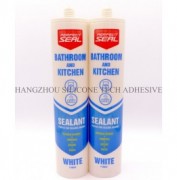
Protecting Sealed Surfaces from Scratches and Impact After Sealant Application: Essential Strategies After applying sealant to joints or gaps in your bathroom, kitchen, or other areas, protecting the fresh material from scratches, dents, or accidental impact is crucial to ensure a smooth, durable finish. Curing sealants remain soft for hours or even days, making them...
Views: 661 Sep 11 , 2025
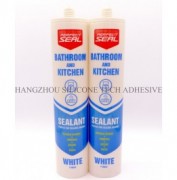
Effective Sealing Techniques for Gaps Between Bathroom Cabinets and Walls: A Detailed Approach Sealing gaps between bathroom cabinets and walls is critical to preventing water damage, mold growth, and pest infestations. These spaces often accumulate moisture, dust, and debris, which can degrade materials over time if left unaddressed. A well-applied sealant creates a...
Views: 539 Sep 11 , 2025
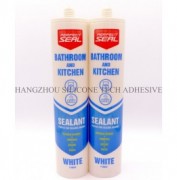
Comprehensive Guide to Applying Sealant in Glass Shower Enclosures: Step-by-Step Process Creating a watertight seal around a glass shower enclosure is essential to prevent water damage, mold growth, and structural issues. Proper application of sealant requires careful preparation, precise techniques, and attention to environmental factors. This guide outlines a...
Views: 1257 Sep 11 , 2025
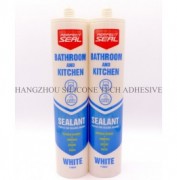
Optimal Sequence for Sealant Application and Tile Grouting: A Step-by-Step Guide When renovating bathrooms or kitchens, the order of applying sealant and tile grout significantly impacts durability and aesthetics. Both tasks involve filling gaps, but their purposes differ: sealant prevents water penetration in joints exposed to moisture, while grout stabilizes tiles...
Copyright 2019 by Hangzhou Silicone Tech Adhesive Co., Ltd. All rights reserved.
Bathroom Sealant | Acrylic Sealant | Dow Corning 795 | Aquarium Sealant | Dow Corning 732 | Clear Silicone Sealant | Polysulfide Sealant | Glazing Sealant | Mirror Sealant | IG Sealant
Powered by Onepound


